

Traffic Signal Dimensions: What You Need to Know
Traffic signals are a vital part of road infrastructure, guiding vehicles and pedestrians safely and efficiently. While most drivers notice only the colors and timing of traffic lights, their dimensions are equally important to ensure visibility, compliance with regulations, and overall road safety. In this article, we will explore the standard traffic signal dimensions, factors affecting their design, and tips for proper installation.
Standard Traffic Signal Dimensions
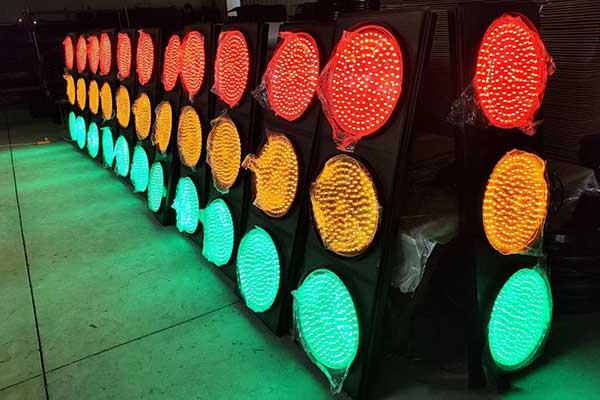
Traffic signal dimensions can vary based on location, road type, and the governing traffic authority. However, most traffic signals follow internationally recognized standards for signal head size, lens diameter, and mounting height.
1. Signal Head Size
The signal head is the housing that contains the light lenses. Standard signal heads typically come in:
- Small size: 200 mm (8 inches) in diameter, mainly for minor roads or pedestrian signals.
- Medium size: 300 mm (12 inches) in diameter, suitable for urban streets with moderate traffic.
- Large size: 400 mm (16 inches) in diameter, often used on highways or high-speed roads for better visibility.
2. Lens Diameter
The lens is the colored part of the traffic signal that displays red, yellow, and green lights. Common lens diameters include:
- 200 mm (8 inches) for low-volume streets.
- 300 mm (12 inches) for standard urban intersections.
- 400 mm (16 inches) for major intersections and highways.
Larger lenses improve visibility from longer distances, especially on multi-lane roads or during adverse weather conditions.
3. Mounting Height
Proper mounting height is critical for driver visibility. Guidelines vary slightly by country, but general recommendations are:
- Urban streets: 2.5–3.5 meters (8–12 feet) above the roadway.
- Highways and major roads: 4.5–6 meters (15–20 feet) for maximum visibility.
- Pedestrian signals: Around 2.1–2.5 meters (7–8 feet) to be easily readable by pedestrians.
4. Signal Spacing
For multi-lane roads, signal heads should be spaced to align with each lane. The horizontal distance between signal lenses is usually 1–2 meters (3–6 feet) depending on the number of lanes and road width.
Factors Affecting Traffic Signal Dimensions
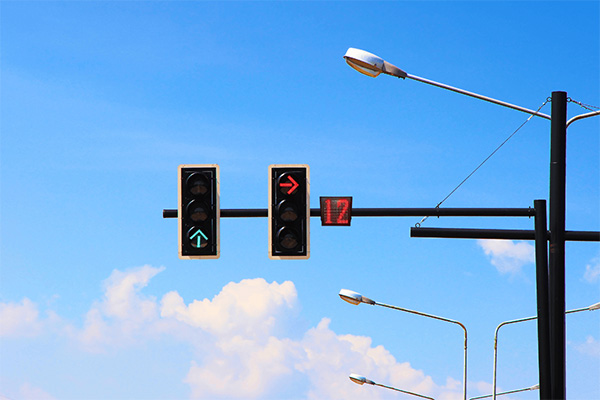
Several factors influence the size and placement of traffic signals:
- Traffic volume: Busy intersections often require larger signal heads and lenses.
- Road speed: Higher-speed roads need bigger signals mounted higher for early visibility.
- Environmental conditions: Fog, rain, and sun glare may necessitate larger lenses or visors.
- Urban vs. rural areas: Space limitations in urban areas may restrict mounting height, whereas rural highways can accommodate taller signals.
Compliance with Standards
Traffic signal dimensions must comply with standards set by authorities such as:
- Manual on Uniform Traffic Control Devices (MUTCD) – U.S.
- European Norm (EN 12368) – Europe
- Local traffic authorities – For region-specific guidelines
Adhering to these standards ensures safety, legal compliance, and smooth traffic flow.
Tips for Installing Traffic Signals
- Visibility: Ensure signals are visible from all approaching lanes.
- Height: Avoid mounting too low, which can obstruct the view with vehicles or trees.
- Spacing: Align signals with lane positions to prevent driver confusion.
- Maintenance: Use durable materials and weather-resistant lenses to minimize downtime.
Conclusion
Understanding traffic signal dimensions is essential for road safety and regulatory compliance. Properly sized and positioned traffic signals improve visibility, reduce accidents, and ensure smooth traffic flow. Whether you are a road engineer, city planner, or safety officer, adhering to these standards is critical for creating safe and efficient roads.
If you’re looking for a professional traffic safety products supplier for your road projects, Roadsky is here to help. Our R&D engineers can design and manufacture all types of traffic signals, poles, and road safety equipment tailored to your specific requirements. Contact us today to ensure your roads are safe and fully compliant.