

What Are Road Delineators? A Comprehensive Guide
Road safety depends on many small but essential components that help drivers understand the road environment and make safer decisions. Among these safety devices, road delineators play an important role in improving visibility, guiding traffic, and reducing accidents, especially on highways, rural roads, and areas with poor visibility.
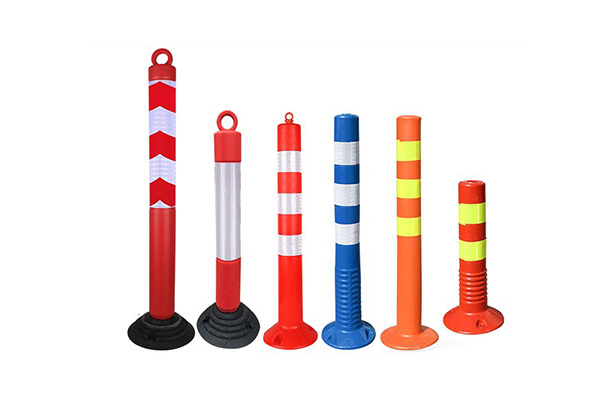
What Are Road Delineators?
Road delineators are vertical roadside safety devices designed to provide visual guidance for drivers. They are typically installed along the edge of roads, highways, curves, bridges, and other areas where drivers need additional assistance to clearly identify the roadway alignment.
Most road delineators consist of a durable post with reflective elements, such as reflective strips or panels, that improve visibility during nighttime, rain, fog, or other low-light conditions.
Unlike traffic signs that provide specific instructions or warnings, road delineators mainly serve as continuous visual guides, helping drivers stay within their lane and understand the direction of the road ahead.
Key Components of Road Delineators
A typical road delineator includes several important components:
1. Delineator Post
The post provides structural support and keeps the reflective device positioned at the correct height.
2. Reflective Element
The reflector or reflective tape is the most important visibility component. Common reflective materials include:
- Reflective sheeting
- Glass beads
- Microprismatic reflective materials
3. Mounting Base
Some delineators include a base system that allows easy installation, replacement, or temporary use.
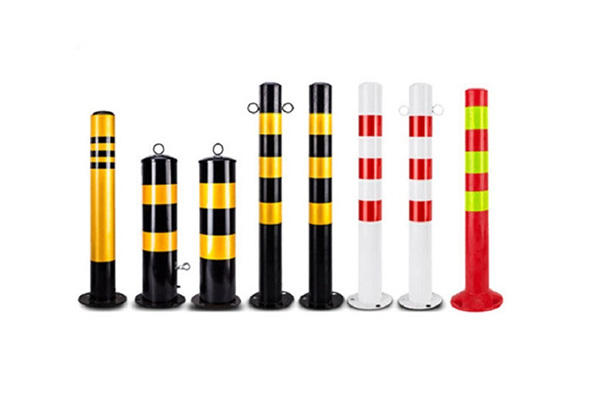
Common Types of Road Delineators
Road delineators are available in different designs and materials depending on road conditions, climate, and application requirements.
1. Flexible Road Delineators
Flexible delineators are made from materials such as rubber, PVC, or flexible polymers. They are designed to bend when impacted by vehicles and return to their original position.
Advantages:
- Impact-resistant design
- Reduced replacement costs
- Suitable for urban roads and parking areas
- Easy installation and maintenance
These are commonly used in areas where vehicles may accidentally hit the posts, such as traffic islands, construction zones, and narrow roads.
2. Plastic Road Delineators
Plastic delineators are lightweight and cost-effective solutions for general road guidance applications.
They are commonly manufactured from durable materials such as HDPE (high-density polyethylene), which provides:
- Weather resistance
- UV protection
- Long service life
- Good impact performance
Plastic road delineators are widely used on highways, rural roads, and roadside safety projects.
3. Steel Road Delineators
Steel delineators provide excellent strength and durability. They are often used in demanding environments where higher mechanical resistance is required.
Benefits include:
- Strong structural performance
- Long lifespan
- Suitable for harsh environments
However, steel posts may require corrosion protection to maintain performance over time.
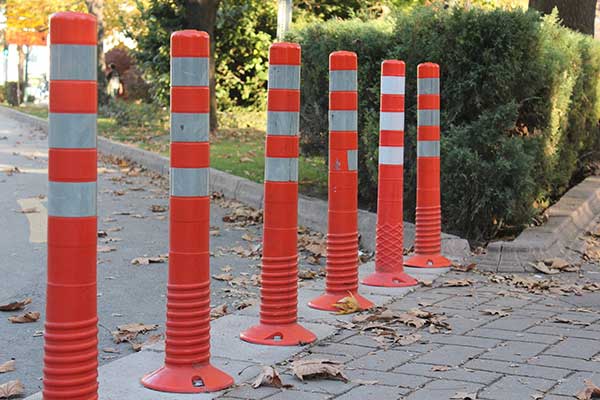
Where Are Road Delineators Used?
Road delineators are used in many traffic safety applications, including:
Highways and Expressways
On high-speed roads, delineators help drivers identify roadway edges and maintain proper lane positioning, especially at night.
Curved Roads
Sharp bends are areas with increased accident risks. Delineators clearly show the direction of the curve and provide advance visual guidance.
Rural Roads
Many rural roads lack street lighting. Reflective delineators help drivers safely navigate these areas after dark.
Bridges and Roadside Hazards
Delineators can highlight bridge edges, embankments, drainage areas, and other roadside risks.
Construction Zones
Temporary delineators are often used to separate traffic lanes and guide vehicles around work areas.
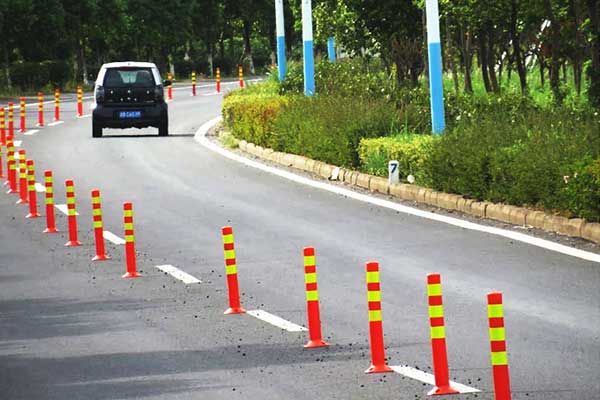
Benefits of Road Delineators
Installing road delineators provides several important safety benefits.
1. Improved Nighttime Visibility
Reflective delineators make roads easier to follow after dark, helping drivers recognize road direction and boundaries.
2. Enhanced Road Safety
By clearly showing the roadway alignment, delineators reduce the chance of vehicles drifting off the road.
3. Better Guidance in Poor Weather
Fog, heavy rain, snow, and dust can reduce visibility. Road delineators provide additional visual references in challenging conditions.
4. Cost-Effective Safety Solution
Compared with many other road safety systems, delineators are affordable, easy to install, and require minimal maintenance.
5. Reduced Traffic Accidents
Clear roadside guidance helps drivers react earlier to road changes, reducing the possibility of collisions and roadside departures.
Factors to Consider When Choosing Road Delineators
When selecting road delineators, consider the following factors:
- Material Quality: Choose materials that can withstand local weather conditions and long-term outdoor exposure.
- Reflectivity Performance: High-quality reflective materials ensure better visibility at night and during bad weather.
- Impact Resistance: For areas with frequent vehicle contact, flexible or impact-resistant designs may be more suitable.
- Installation Requirements: Consider whether permanent or temporary installation is needed and select the appropriate mounting method.
- Compliance With Standards: Road delineators should meet relevant traffic safety standards and specifications required in the target market.
Conclusion
Road delineators are simple yet highly effective road safety devices that help guide drivers, improve visibility, and reduce accidents. By clearly marking road edges and curves, they provide essential assistance in both daytime and nighttime driving conditions.