

Yield Sign: Meaning, Types, Uses and Importance
A yield sign is one of the most important traffic control devices used on roads around the world. It tells drivers to slow down, check for approaching vehicles, pedestrians, and cyclists, and give the right of way when necessary. Proper use of yield signs helps prevent accidents and improves traffic flow at intersections, roundabouts, and merging areas.
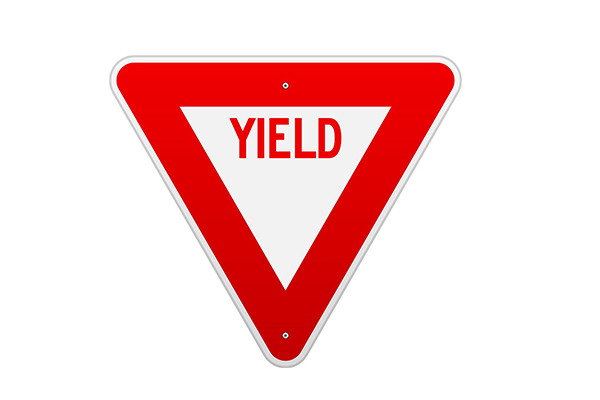
What is a Yield Sign?
A yield sign is a regulatory traffic sign that instructs drivers to give priority to other road users. It usually features an inverted triangle shape with a red border and a white or yellow background, depending on regional standards.
The main purpose of a yield traffic sign is to regulate the right of way and reduce conflicts between vehicles moving in different directions.
What Does a Yield Sign Mean?
The meaning of a yield sign is simple: give way to other traffic.
For example:
- At an intersection without traffic lights, drivers approaching a yield sign must let vehicles on the main road pass first.
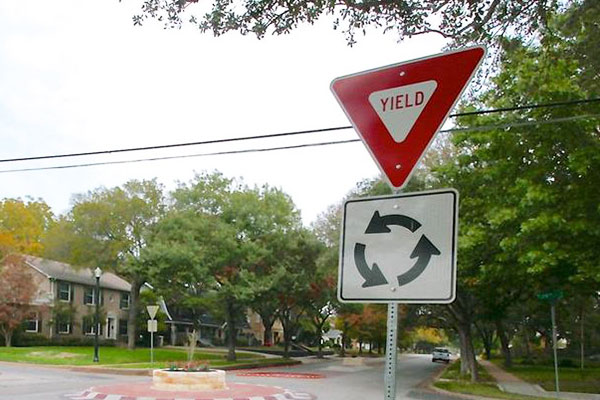
- At a roundabout, vehicles entering must yield to vehicles already circulating inside.
- At a pedestrian crossing, drivers must yield to pedestrians crossing the road.
Failing to obey a yield sign can lead to collisions, especially at locations where traffic speeds are high or visibility is limited.
Types of Yield Signs
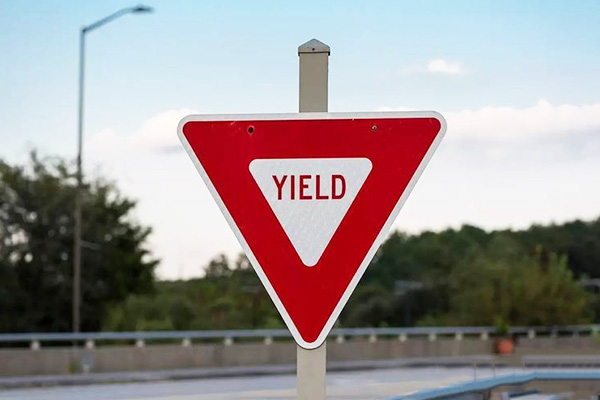
Yield signs vary depending on application, location, and local traffic regulations.
1. Standard Yield Signs
Standard yield signs are installed at normal intersections and road junctions. They are commonly used on urban roads, rural roads, and residential streets.
2. Pedestrian Yield Signs
These signs are placed near pedestrian crossings to remind drivers to give priority to people walking across the road.
3. Roundabout Yield Signs
Roundabouts typically use yield signs at entry points to ensure vehicles entering the circle give way to circulating traffic.
4. Bicycle Yield Sign
These signs are commonly found near:
- Bicycle lanes
- Cycling crossings
- Shared roads
They improve safety for cyclists by clearly defining right-of-way rules.
5. Temporary Yield Signs
Temporary yield signs are used in:
- Construction zones
- Road maintenance areas
- Temporary traffic control systems
They are usually mounted on portable stands for easy relocation.
Materials Used for Yield Signs
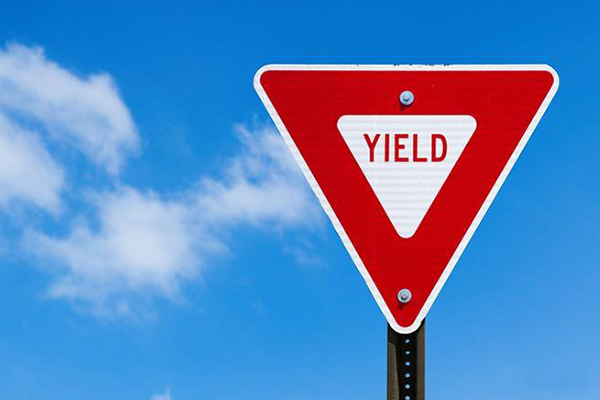
A durable yield sign must withstand outdoor conditions such as sunlight, rain, wind, and temperature changes.
Common materials include:
1. Aluminum Sheet
Aluminum is widely used because it provides:
- Excellent corrosion resistance
- Lightweight construction
- Long outdoor performance
2. Reflective Sheeting
Reflective sheeting improves visibility by reflecting light from vehicle headlights. Common grades include:
- Engineering grade reflective sheeting
- High-intensity prismatic sheeting
- Diamond-grade reflective sheeting
3. Steel or Galvanized Materials
Some signs may use steel frames or galvanized components for additional strength.
Applications of Yield Signs
Yield signs are widely used in:
- Highway construction projects
- Municipal roads
- Residential communities
- Industrial parks
- Parking facilities
- School zones
They are an essential component of road safety infrastructure.
Importance of Yield Signs in Road Safety
Yield signs provide several important benefits:
- Reduce Traffic Accidents: By controlling right-of-way at conflict points, yield signs help prevent collisions.
- Improve Traffic Organization: They create predictable driving behavior and reduce confusion between road users.
- Enhance Pedestrian Protection: Yield signs near pedestrian areas encourage drivers to slow down and remain alert.
- Support Efficient Traffic Flow: Unlike stop signs, yield signs allow traffic to continue moving when conditions are safe.
FAQs
No, a complete stop is not always required at a yield sign. Drivers only need to stop if there is approaching traffic, pedestrians, or other road users who have priority. If the road is clear, drivers can continue without stopping.
A yield sign has a unique inverted triangle shape with the point facing downward. This shape is internationally recognized and helps drivers identify the sign quickly.
A standard yield sign usually has a red border and a white background. This color combination is internationally recognized and helps drivers quickly identify the sign as a traffic control device.
Yes, some projects require supplementary signs below the yield sign to provide additional instructions, such as lane information, pedestrian warnings, or special traffic conditions.
The replacement cycle depends on environmental conditions, traffic impact, and the condition of the reflective surface. Signs should be replaced when they become damaged, difficult to read, faded, or no longer provide sufficient visibility.
Conclusion
A yield sign is a simple but highly effective traffic safety device that helps control vehicle movement and reduce road accidents. Its distinctive triangular shape, reflective design, and clear meaning make it an essential part of modern transportation systems.
Whether used at intersections, roundabouts, pedestrian crossings, or construction zones, durable and highly visible yield signs contribute significantly to safer roads.