

9 Reasons Why Face Shields Are Effective PPE
When you work around flying debris, chemical splashes, sparks, or other hazards, protecting only your eyes may not be enough. Your entire face can be exposed, which is why face shields are widely used as personal protective equipment (PPE).
A face shield creates a clear physical barrier in front of your eyes, nose, mouth, and face. It also works well with other PPE, such as safety glasses, goggles, masks, and helmets.
But what makes face shields so effective? Let’s look at the main reasons.
What is a Face Shield?
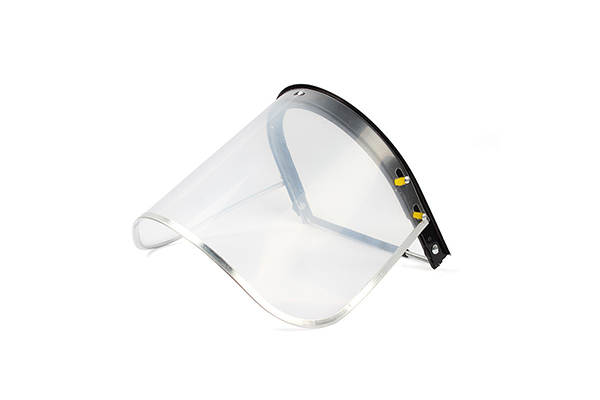
A face shield is a type of PPE designed to protect the face from workplace hazards. A typical face shield includes a transparent visor, an adjustable headband or helmet attachment, and a support frame.
Unlike safety glasses, which mainly cover the eyes, face shields provide a much larger protective area. Depending on the design, they can cover the face from the forehead down below the chin and extend toward the sides.
Face shields are commonly used in manufacturing, construction, laboratories, metalworking, chemical handling, maintenance, and other industrial environments.
Why Are Face Shields Effective PPE?
The biggest advantage of a face shield is simple: it protects a large area without seriously limiting your vision or movement.
Here are the main reasons face shields are effective PPE.
1. They Provide Full-Face Coverage
One of the biggest advantages of a face shield is its large protective area.
Safety glasses mainly protect the eyes, while a properly designed face shield creates a physical barrier in front of most of the face. This helps reduce direct exposure to flying particles, liquid splashes, and other workplace hazards.
This wider coverage makes face shields particularly useful when both the eyes and face need protection.
2. They Protect Against Flying Particles
Grinding, cutting, drilling, and machining can produce small particles that travel at high speed.
Without proper PPE, these particles may strike a worker’s eyes or face. A face shield provides an additional barrier between the worker and the source of the particles.
For jobs involving impact hazards, a face shield is often used together with appropriate safety glasses or goggles rather than as a replacement for them.
3. They Help Protect Against Liquid Splashes
Workers in laboratories, healthcare environments, cleaning operations, chemical handling, and some industrial facilities may face splash hazards.
A transparent face shield can help prevent droplets and splashes from directly reaching the eyes, nose, mouth, and facial skin.
The required level of protection depends on the substance being handled. For hazardous chemicals, workers may need additional PPE such as chemical-resistant goggles, gloves, protective clothing, or respiratory protection.
4. They Can Protect Against Sparks
Some industrial tasks can produce sparks, hot particles, or debris.
Appropriate face shields can provide additional facial protection during certain grinding, metalworking, and maintenance operations. Specialized shields are also available for specific applications such as welding.
It is important to choose a face shield that is rated and designed for the actual hazard. A general-purpose transparent shield should not automatically be considered suitable for welding, high-temperature work, or other specialized applications.
5. They Offer Clear Visibility
Good visibility is essential when performing detailed or potentially dangerous work.
Most general-purpose face shields use transparent materials such as polycarbonate or similar plastics. A clear visor allows workers to see their work area while maintaining a protective barrier in front of the face.
Some products may also include anti-fog or anti-scratch features to improve visibility and extend the service life of the visor.
6. They Are Comfortable for Extended Use
Comfort can influence whether workers wear PPE correctly and consistently.
Many modern face shields are designed with adjustable headbands, lightweight visors, padded forehead supports, and enough space between the visor and the face.
The adjustable design can help accommodate different head sizes and improve comfort during longer periods of use.
7. They Can Be Used with Other PPE
Another reason face shields are effective PPE is their ability to work as part of a larger protective system.
Depending on the design, workers may be able to wear a face shield together with:
- Safety glasses
- Protective goggles
- Face masks
- Respirators
- Safety helmets
- Hearing protection
This is especially important in workplaces where workers are exposed to more than one hazard at the same time.
8. They Are Easy to Put On and Remove
Most face shields have a relatively simple design. Workers can usually put them on, adjust the headband, and remove them without complicated procedures.
This makes face shields convenient for workplaces where PPE needs to be used frequently.
However, workers should still follow proper procedures when removing contaminated PPE to avoid accidental exposure.
9. Some Face Shields Are Reusable
Depending on the material and application, many face shields can be cleaned and reused.
Reusable face shields can be a practical choice for factories, workshops, laboratories, warehouses, construction sites, and other workplaces. Visors should be inspected regularly for cracks, deep scratches, cloudiness, or other damage that could affect protection or visibility.
If a shield is designed for single use, it should be disposed of according to workplace procedures.
Where Are Face Shields Commonly Used?
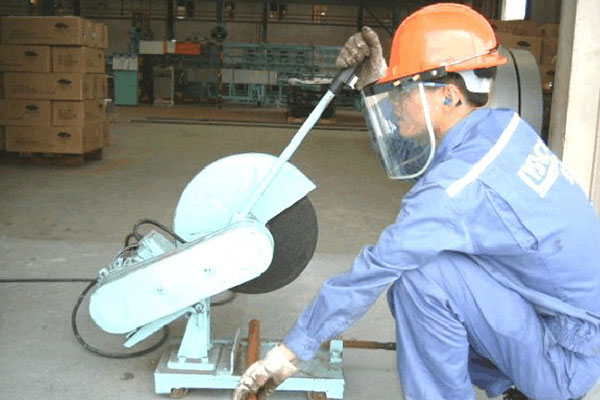
Face shields can be found across many industries. Common applications include manufacturing, construction, metalworking, laboratories, healthcare facilities, chemical handling, maintenance, woodworking, and general industrial operations.
The type of face shield required will depend on the hazard. For example, protection against liquid splashes may require a different shield design from protection against high-speed particles or welding hazards.
How to Choose the Right Face Shield
Not all face shields offer the same level of protection. Before choosing one, start with the hazards in your workplace.
Consider:
- Type of workplace hazard
- Visor material
- Impact resistance
- Face and side coverage
- Optical clarity
- Anti-fog performance
- Headgear adjustment
- Comfort and weight
- Compatibility with other PPE
- Applicable PPE standards
For specialized applications such as welding, electrical work, high-temperature operations, or hazardous chemical handling, always use a face shield specifically designed and rated for that purpose.
Final Thoughts
Now you know why face shields are effective PPE. Their wide coverage, clear visibility, comfortable design, and compatibility with other protective equipment make them a practical choice for many workplaces.
However, effective protection starts with choosing the right PPE for the hazard. Use a suitable face shield together with safety glasses, goggles, helmets, respirators, or other PPE when required, and regularly check the shield for damage before use.