

Hazard Sign: Types, Meanings, Materials, and Applications
Hazard signs play an essential role in workplace safety, road traffic management, construction site protection, and industrial operations. They help identify potential dangers, warn people about hazardous conditions, and encourage appropriate safety precautions before accidents occur.
In this guide, we will explore everything you need to know about hazard signs and how to choose suitable products for your safety requirements.
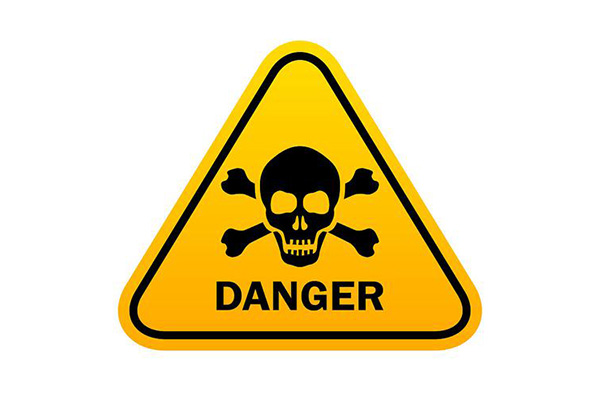
What is a Hazard Sign?
A hazard sign is a visual safety warning designed to alert people to potential dangers in a particular area, environment, or operation. It communicates important safety information through standardized symbols, colors, shapes, and text.
The primary purpose of a hazard sign is to prevent accidents by making people aware of risks before they encounter them.
Common hazards identified by warning signs include:
- Electrical hazards and high-voltage equipment
- Slippery surfaces and uneven ground
- Falling objects and overhead hazards
- Flammable and explosive materials
- Toxic or corrosive substances
- Construction activities and roadwork
- Restricted areas and dangerous machinery
Hazard signs are widely used in construction sites, factories, warehouses, highways, chemical plants, and other environments where safety risks may exist.
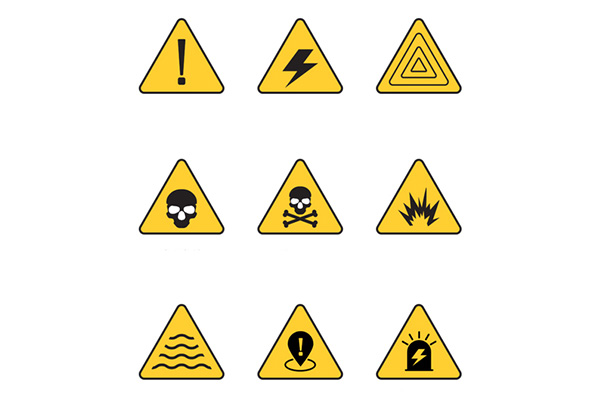
Common Types of Hazard Signs
Different environments require different warning signs depending on the type and severity of potential hazards. Below are some of the most common categories.
1. Road Hazard Signs
Road hazard signs warn drivers, cyclists, and pedestrians about dangerous road conditions or potential obstacles ahead.
Common examples include:
- Roadworks Ahead Signs
- Slippery Road Signs
- Sharp Curve Warning Signs
- Uneven Road Signs
- Falling Rocks Signs
- Lane Narrowing Signs
- Road Closure Warning Signs
- Pedestrian Crossing Warning Signs
These signs are particularly important in highway construction, road maintenance, temporary traffic management, and areas with changing traffic conditions.
2. Construction Hazard Signs
Construction hazard signs help identify risks associated with building sites, infrastructure projects, and heavy equipment operations.
Typical examples include:
- Danger: Construction Area
- Warning: Falling Objects
- Hard Hat Required
- High Voltage Warning
- Deep Excavation Warning
- Heavy Machinery Operating
- Restricted Access
Properly positioned construction hazard signs help workers and visitors recognize potential dangers and follow site safety procedures.
3. Electrical Hazard Signs
Electrical hazard signs warn people about the risk of electric shock, electrocution, or electrical fires.
They are commonly installed near:
- Electrical control panels
- High-voltage power lines
- Transformers and substations
- Distribution boards
- Industrial electrical equipment
A high-voltage warning sign is one of the most recognizable electrical safety signs, helping prevent unauthorized access and accidental contact with dangerous electrical equipment.
4. Chemical Hazard Signs
Chemical hazard signs communicate risks associated with hazardous substances, including toxic, corrosive, flammable, and explosive materials.
They are commonly used in laboratories, chemical manufacturing facilities, storage areas, and industrial plants.
Depending on the applicable labeling system, chemical hazards may be communicated through pictograms and warning labels that identify specific risks.
5. Workplace and Industrial Hazard Signs
Industrial hazard signs are designed to improve workplace safety by warning employees about machinery, equipment, hazardous processes, and unsafe conditions.
Examples include:
- Moving Machinery Warning
- Hot Surface Warning
- Slippery Floor Warning
- Confined Space Warning
- Noise Hazard Warning
- Radiation Warning
- Forklift Operating Area
These signs help establish a safer working environment and support workplace safety management.
Hazard Sign Colors and Their Meanings
Colors are an important part of hazard sign communication. They allow people to recognize potential dangers quickly, even from a distance.
Common safety sign color conventions include:
| Color | General Meaning | Typical Application |
|---|---|---|
| Yellow | Warning or caution | Slippery surfaces, falling objects |
| Red | Prohibition, danger, or fire-related equipment | No entry, fire equipment |
| Blue | Mandatory action | Wear protective equipment |
| Green | Safe condition or emergency information | First aid, emergency exits |
The exact meaning and design requirements may vary depending on the applicable safety standard and jurisdiction.
For example, yellow warning signs commonly use a black symbol or text to create strong visual contrast and improve visibility.
Common Materials Used for Hazard Signs
The material of a hazard sign affects its durability, visibility, and suitability for different environments. Common materials include:
1. Aluminum
Durable, lightweight, and corrosion-resistant. Ideal for outdoor hazard signs, roads, highways, and construction sites.
2. PVC
Lightweight and cost-effective, with good printing performance. Suitable for indoor safety signs in warehouses, factories, and offices.
3. Reflective Aluminum
Combines aluminum panels with reflective sheeting for better visibility at night. Commonly used for road hazard signs and traffic safety applications.
4. Stainless Steel
Strong and corrosion-resistant, making it suitable for harsh industrial environments, chemical plants, and manufacturing facilities.
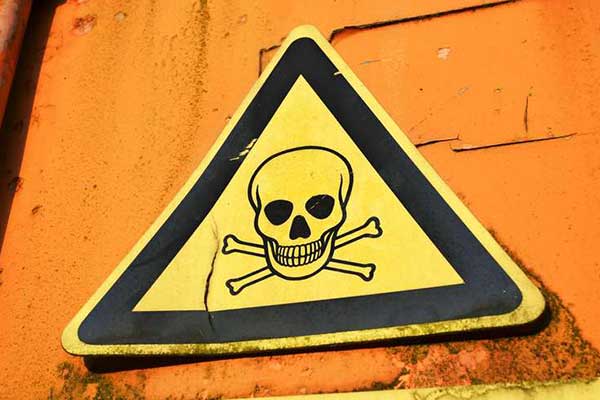
Where Are Hazard Signs Used?
Hazard signs are widely used in different industries and environments to improve safety and prevent accidents.
1. Road Construction and Highways
Used to warn drivers and pedestrians about roadworks, lane closures, changing traffic conditions, and potential road hazards.
2. Industrial Facilities
Help identify dangerous machinery, electrical equipment, hot surfaces, and restricted areas in factories and manufacturing plants.
3. Warehouses and Logistics Centers
Warn workers about forklift routes, loading zones, falling objects, and other workplace hazards.
4. Public Buildings and Commercial Properties
Used in shopping malls, hospitals, schools, and offices to communicate safety information and guide visitors.
5. Mining and Infrastructure Projects
Identify excavation areas, heavy machinery operations, unstable ground, and other potential construction hazards.
How to Choose the Right Hazard Sign
Choosing the right hazard sign depends on the application, environment, and safety requirements.
- Identify the Hazard: Choose signs that clearly communicate specific risks, such as electrical hazards, chemical dangers, or road hazards.
- Consider the Environment: For outdoor use, select signs that can withstand sunlight, rain, wind, and temperature changes.
- Choose the Right Material: Select aluminum, PVC, or stainless steel based on durability, application, and budget.
- Ensure Good Visibility: Consider sign size, text clarity, color contrast, and reflective performance.
- Check Safety Standards: Ensure hazard signs comply with applicable standards, such as ISO 7010, ANSI Z535, or local safety regulations.
- Consider Customization: Choose customized sizes, materials, graphics, wording, and reflective options to meet specific project requirements.
Hazard Signs vs. Warning Signs: What is the Difference?
Hazard signs and warning signs are closely related terms, but they do not always have exactly the same meaning.
A hazard sign is a broad term referring to signage that communicates safety risks, dangerous conditions, or required safety precautions.
A warning sign is generally a specific type of safety sign that alerts people to a potential hazard.
For example:
- A high-voltage warning sign identifies an electrical hazard.
- A slippery floor warning sign alerts people to a slip risk.
- A roadworks warning sign informs drivers about construction activities ahead.
In everyday commercial usage, the terms hazard signs, danger signs, and warning signs may sometimes overlap. However, their technical meanings and design requirements should be checked against the relevant safety standards.
Conclusion
Hazard signs are essential for improving safety in road construction, industrial facilities, warehouses, and public areas. Choosing the right signs requires considering the hazard type, installation environment, material, visibility, and applicable safety standards.
For road construction and traffic management projects, selecting durable and highly visible road signs is important for warning road users and maintaining traffic safety. Roadsky provides a range of road safety products to meet different project requirements. Contact us to discuss your road signage needs and find the right solutions for your project.