

No U Turn Sign: Meaning, Rules, Sizes, and Locations
A No U Turn Sign is an important regulatory traffic sign used to prohibit vehicles from making U-turns at designated locations. It helps prevent traffic accidents, reduce vehicle conflicts, and maintain smooth traffic flow.
These signs are commonly installed at intersections, highways, expressways, pedestrian crossings, and road construction zones where U-turn movements may create safety risks.
For road construction contractors, traffic authorities, and road safety equipment distributors, choosing the right No U Turn Sign requires considering its material, size, reflectivity, durability, and compliance with local traffic regulations.
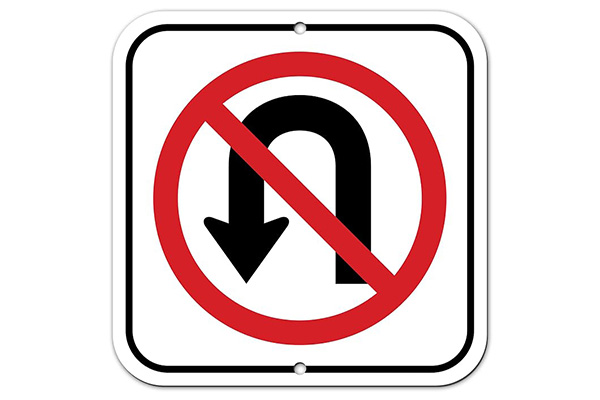
What Does a No U Turn Sign Mean?
A No U Turn Sign indicates that drivers are not allowed to make a U-turn at a specific location.
A standard sign typically consists of a black U-shaped arrow, a red circular border, and a red diagonal line across the arrow on a white background.
The design is simple and easy to recognize, allowing drivers to understand the restriction quickly.
By prohibiting unsafe turning movements, these signs help reduce potential collisions and improve traffic management.
Why Are No U Turn Signs Important?
No U Turn Signs play an important role in maintaining road safety and orderly traffic movement.
- Improve Road Safety: U-turns can create dangerous traffic conflicts, especially on busy roads and highways. These signs help prevent risky turning movements.
- Reduce Traffic Congestion: Restricting unnecessary U-turns helps minimize sudden braking, lane changes, and traffic interruptions.
- Protect Pedestrians: At busy intersections and pedestrian crossings, limiting U-turns can reduce conflicts between vehicles and pedestrians.
- Improve Traffic Management: Traffic authorities use these signs to regulate vehicle movements and maintain consistent traffic rules.
No U Turn Sign Rules
A No U Turn Sign indicates that drivers are not allowed to turn their vehicles around to travel in the opposite direction at a designated location. Although specific regulations vary by country and region, drivers are generally required to follow the restrictions indicated by these signs.
Materials Used for No U Turn Signs
Material selection directly affects the durability and service life of traffic signs.
Common materials include:
| Material | Main Features |
|---|---|
| Aluminum | Lightweight, corrosion-resistant, and durable |
| Galvanized Steel | Strong and suitable for heavy-duty applications |
| Aluminum Composite Panel | Lightweight and economical |
| Reflective Sheeting | Improves nighttime visibility |
Aluminum is one of the most popular materials for permanent No U Turn Signs because of its excellent corrosion resistance and relatively low weight.
For outdoor applications, signs should also withstand rain, sunlight, wind, and temperature changes.
Common No U Turn Sign Sizes and Specifications
No U Turn Sign sizes vary depending on road classification, speed limits, viewing distance, and local traffic regulations.
Common sizes include:
| Sign Diameter | Typical Application |
|---|---|
| 450 mm | Low-speed roads |
| 600 mm | Urban streets and local roads |
| 750 mm | Major urban roads |
| 900 mm | High-speed roads and highways |
| 1200 mm | Large roads and special applications |
These are indicative sizes rather than universal requirements. Actual dimensions should comply with the applicable national traffic sign standards.
Other important specifications include:
- Shape: Circular
- Background: White or reflective white
- Symbol: Black U-turn arrow with red prohibition marking
- Material: Aluminum or other approved substrates
- Reflectivity: Engineering Grade, High-Intensity Prismatic, or Diamond Grade
- Installation: Roadside poles or overhead structures
For international projects, specifications should be checked against standards such as the MUTCD in the United States or the relevant national traffic regulations.
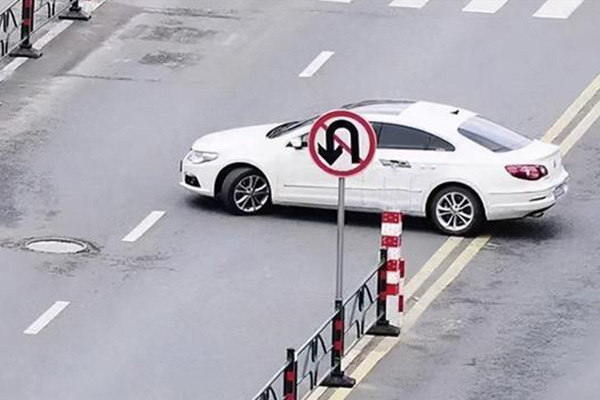
Where Are No U Turn Signs Commonly Installed?
Proper installation ensures that drivers can see and understand traffic restrictions in time.
Common installation locations include:
- Intersections: To prevent turning movements that may interfere with crossing traffic.
- Highways and Expressways: To restrict U-turns at medians, access points, and other dangerous locations.
- Pedestrian Crossings: To reduce conflicts between turning vehicles and pedestrians.
- Road Construction Zones: To guide drivers when temporary traffic patterns are introduced.
- Narrow Roads: To prevent unsafe turning movements where road width or visibility is limited.
Installation height, positioning, and visibility should follow local traffic control requirements.
To Summarize
No U Turn Signs are essential traffic regulatory signs that help prevent unsafe turning movements, reduce traffic conflicts, and improve road safety.
When selecting No U Turn Signs for highway construction, municipal projects, or traffic management applications, buyers should consider material quality, reflective performance, dimensions, and compliance with local standards.
FAQs
Yes. Most permanent roadside No U Turn Signs use retroreflective materials to improve visibility at night and in low-light conditions.
A No U Turn Sign prohibits drivers from turning around to travel in the opposite direction, while a No Left Turn Sign prohibits left-turn movements at a designated location. The two signs regulate different driving maneuvers.
Yes. They are commonly included in temporary traffic management plans during road construction, maintenance, and special events. Temporary restrictions help guide vehicles through changing road layouts.
Local transportation departments, road authorities, and authorized traffic management agencies are generally responsible for approving, installing, and maintaining regulatory traffic signs. Contractors may carry out the work under their supervision.
A permanent No U Turn Sign is designed for long-term installation on public roads and highways. A temporary sign is intended for short-term traffic control during construction, maintenance, or special events. Their supporting structures and installation methods may differ.