

How To Choose The Right Manhole Cover?
Manhole covers may seem like a small detail in infrastructure, but choosing the right one is essential for safety, durability, and compliance with standards. Whether you’re working on municipal projects, commercial facilities, or residential developments, understanding how to select the correct manhole cover can save costs and prevent future problems.
In this guide, we’ll explain the key factors to consider when buying manhole covers, including materials, load capacity, size, shape, and standards.
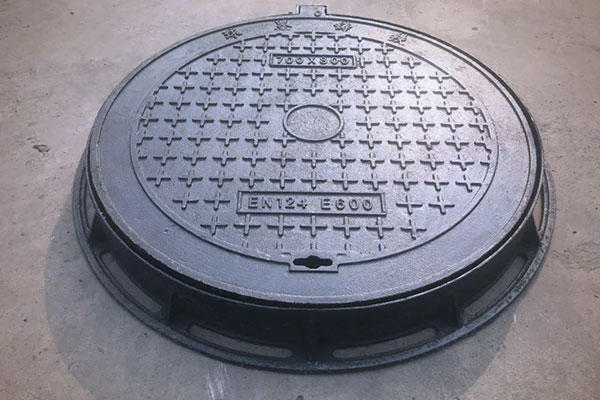
1. Consider the Application and Location
The first step is to identify where the manhole cover will be installed. Different environments require different specifications:
- Roads and Highways – Covers must withstand heavy traffic and high loads.
- Pedestrian Areas – Lightweight covers may be sufficient, as they don’t experience constant heavy loads.
- Industrial Sites – Covers may need chemical resistance or higher durability.
- Residential Areas – Aesthetic appeal and moderate strength are often important.
2. Choose the Right Material
Manhole covers are manufactured from different materials, each with unique advantages:
- Cast Iron – Traditional, highly durable, suitable for heavy traffic areas.
- Ductile Iron – Stronger and more impact-resistant than cast iron.
- Steel or Composite – Lightweight, corrosion-resistant, and easy to handle.
- Reinforced Concrete – Cost-effective for low-traffic areas.
3. Check Load Capacity
Manhole covers are classified by load-bearing capacity according to international standards such as EN 124 or AASHTO. Common categories include:
- A15 (15kN) – Suitable for sidewalks and pedestrian zones.
- B125 (125kN) – For car parks and light traffic areas.
- C250 (250kN) – For curbside installations.
- D400 (400kN) – Standard for roads and highways.
- E600/F900 – Heavy-duty covers for airports, docks, and industrial zones.
4. Select the Right Size and Shape
The manhole cover must fit securely over the opening. Common shapes include:
- Round Covers – Most common for roads; they don’t fall through the opening and are easier to handle.
- Square or Rectangular Covers – Often used in sidewalks or areas with straight paving patterns.
Always measure the clear opening size, not just the cover itself, to ensure a proper fit.
5. Safety and Anti-Theft Features
Modern manhole covers often include features for added safety:
- Slip-resistant surfaces to prevent accidents.
- Locking mechanisms to prevent theft or unauthorized access.
- Sealed covers to block odors or prevent water ingress.
6. Compliance with Standards
Ensure the manhole cover meets local and international standards such as EN 124, ISO, or ASTM. Compliance guarantees safety, quality, and long service life.
Conclusion
Choosing the right manhole cover requires balancing application, material, load capacity, size, and safety features. By carefully considering these factors, you can ensure durability, safety, and compliance for your project.
If you are looking for a reliable manhole cover supplier, you can contact us directly for more information.