

What is Reflective Material? Everything You Need to Know
Reflective material is one of the most important innovations in modern safety and visibility solutions. Whether on highways, construction sites, warehouses, or sportswear, reflective materials help people and objects stay visible in low-light and nighttime conditions.
From road signs and traffic cones to safety vests and vehicle markings, reflective materials are widely used across industries. Their primary purpose is simple: to reflect light back to its source, making objects easier to see and significantly reducing the risk of accidents.
In this comprehensive guide, you’ll learn what reflective material is, how it works, the different types available, its major applications, and why it is essential for safety and efficiency.
What is Reflective Material?
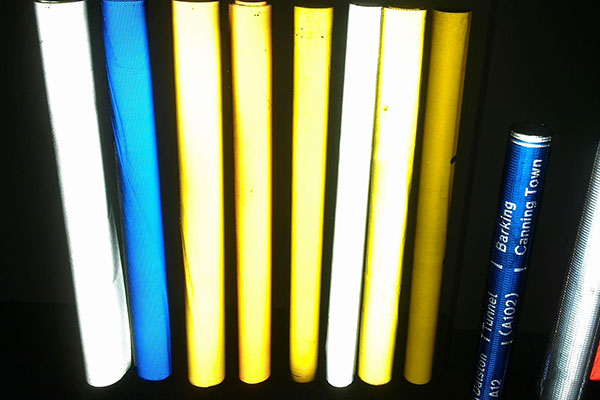
Reflective material is a specially engineered surface designed to return incoming light directly back to its original source. This process is called retroreflection.
Unlike ordinary surfaces that scatter light in multiple directions, reflective materials redirect light back toward the source—such as vehicle headlights, flashlights, or other illumination devices. This unique property makes reflective materials highly visible in dark or low-visibility environments.
Because reflective materials do not produce light on their own, they are considered passive safety materials. They only become highly visible when illuminated by an external light source.
What is Reflective Material Also Called?
Reflective material is commonly referred to as:
- Retroreflective material
- High-visibility material
- Reflective fabric
- Reflective sheeting
- Reflective film
- High-vis material
Although these terms are often used interchangeably, each may refer to a specific form or application of reflective technology.
How Does Reflective Material Work?
Reflective material works through the principle of retroreflection.
When light strikes the surface, embedded reflective elements—such as tiny glass beads or microprisms—capture and redirect the light back toward its source.
For example:
- A car’s headlights shine on a worker’s reflective vest.
- The reflective elements in the vest return the light directly back to the driver.
- The driver can immediately see the worker, even from a considerable distance.
This enhanced visibility provides critical reaction time, helping prevent accidents and injuries.
What is Reflective Material Made of?
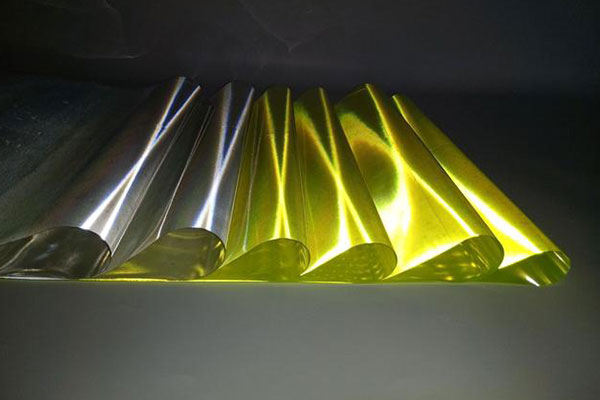
Reflective material typically consists of several layers and components:
- Base material: Fabric, PVC, PET, vinyl, or metal
- Reflective layer: Glass beads or microprismatic structures
- Metalized coating: Often aluminum or silver for enhanced reflection
- Protective topcoat: Improves durability, UV resistance, and weather protection
- Adhesive layer (optional): For easy application on surfaces
This multi-layer construction ensures excellent reflectivity, flexibility, and long-term performance.
Common Examples of Reflective Materials
You encounter reflective materials in everyday life, including:
- Mirrors
- Aluminum foil
- Reflective road signs
- Safety vests
- Reflective tapes
- Vehicle conspicuity markings
- Bicycle reflectors
- Running shoes and sportswear
- Traffic cones and barriers
Types of Reflective Material
Different applications require different reflective technologies. Here are the most common types:
1. Glass Bead Reflective Material
Made using microscopic glass beads embedded in a surface. It offers reliable nighttime visibility and is commonly used in road markings and standard reflective tapes.
2. Microprismatic Reflective Material
Uses tiny prism-shaped structures to provide superior brightness and longer visibility distances. Ideal for traffic signs, vehicle markings, and premium safety gear.
3. Reflective Fabric
A flexible textile integrated with reflective elements. Widely used in high-visibility clothing, uniforms, and sportswear.
4. Reflective Sheeting
A durable reflective film applied to signs, barriers, and vehicle surfaces. Available in engineering grade, high-intensity grade, and diamond grade.
5. Reflective Heat Transfer Vinyl (HTV)
Designed for heat application onto garments. Popular for custom safety apparel and branded workwear.
6. Flame-Retardant Reflective Material
Specially engineered for high-temperature or hazardous environments, such as oil and gas, firefighting, and mining.

Major Applications of Reflective Materials
Reflective materials are used in numerous industries and products.
1. Road and Traffic Safety
- Traffic signs
- Road studs
- Delineators
- Traffic cones
- Barricades
- Lane separators
2. Personal Protective Equipment (PPE)
3. Vehicle Safety
- Truck and trailer markings
- Emergency vehicle graphics
- Fleet vehicle decals
- Motorcycle and bicycle reflectors
4. Construction and Industrial Safety
- Work zone barriers
- Machinery markings
- Warehouse safety indicators
- Forklift visibility enhancements
5. Sports and Outdoor Gear
- Running apparel
- Cycling jackets
- Hiking backpacks
- Footwear
6. Commercial and Branding Applications
- Reflective logos
- Labels
- Promotional products
- Advertising signage
7. Building and Energy Efficiency
- Reflective window films
- Radiant heat insulation
- HVAC insulation wraps
Key Benefits of Reflective Material
- Enhanced Visibility: Reflective materials dramatically improve visibility at night and in poor weather conditions.
- Improved Safety: They help prevent accidents involving pedestrians, workers, cyclists, and drivers.
- Cost-Effective Solution: Reflective materials provide long-term safety benefits without requiring electricity or maintenance.
- Durability: High-quality reflective materials resist UV exposure, moisture, abrasion, and harsh weather.
- Easy Application: Available in adhesive, sew-on, and heat-transfer formats.
- Regulatory Compliance: Essential for meeting workplace and traffic safety standards.
Reflective Material Standards and Certifications
To ensure quality and compliance, reflective materials often meet international standards such as:
- EN ISO 20471 – High-visibility clothing standard
- ANSI/ISEA 107 – High-visibility safety apparel standard
- ASTM D4956 – Standard for retroreflective sheeting
- EN 12899-1 – Fixed vertical road traffic signs
- OSHA Regulations – Workplace safety requirements
Compliance with these standards ensures reliable performance and legal conformity.
How Long Does Reflective Material Last?
The lifespan of reflective material depends on
- Material quality
- Environmental exposure
- Frequency of use
- Maintenance practices
Typical service life ranges from:
- 6 months to 3 years for standard reflective fabrics
- 5 to 10 years for reflective sheeting
- Up to 12 years or more for premium-grade prismatic materials
Proper care can significantly extend durability.
Why Reflective Material Matters
In environments where visibility is critical, reflective materials save lives. They help drivers spot pedestrians, protect workers in hazardous areas, and improve overall operational safety.
Whether you are managing a construction site, manufacturing safety apparel, producing traffic products, or improving vehicle visibility, reflective material is an essential investment.
Conclusion
Reflective material is a highly effective, durable, and versatile solution for improving visibility and safety across countless applications. By utilizing retroreflection technology, it ensures people, vehicles, and objects remain visible in low-light conditions.
From safety clothing and road signs to vehicle markings and industrial equipment, reflective materials play a vital role in accident prevention and regulatory compliance.
FAQs
No. Reflective material does not emit light on its own. It becomes highly visible only when illuminated by an external light source, such as car headlights, flashlights, or streetlights.
Yes. Reflective materials are often used indoors in warehouses, factories, parking garages, and emergency exit systems to improve visibility and enhance workplace safety.
Reflective materials are available in a wide range of colors, including silver, yellow, orange, red, green, blue, and fluorescent options. Silver typically provides the highest level of reflectivity.