

Cable Protector: What You Need to Know
When it comes to managing cables in any environment—whether at home, in the office, or in industrial settings—cable protectors are a must-have tool. These practical devices not only help keep cables organized but also prevent damage caused by foot traffic, heavy equipment, and other environmental factors. In this guide, we’ll explore what cable protectors are, why they’re important, and how they can benefit various industries.
What is a Cable Protector?
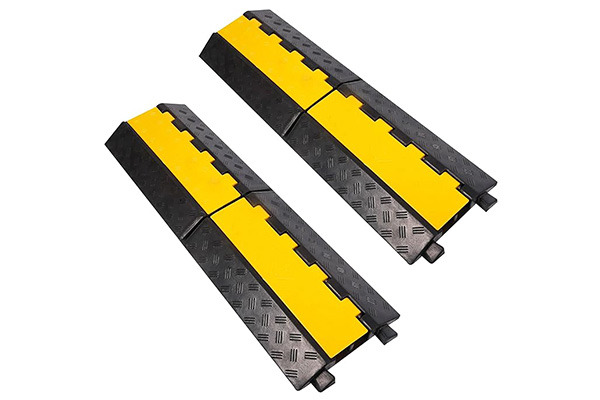
A cable protector is a device designed to cover and shield electrical wires, cords, and cables from potential damage. These protectors can come in a variety of forms, including mats, ramps, and conduit covers. They are made from durable materials such as rubber, plastic, or metal and are designed to withstand high traffic, impact, and wear.
Why Do You Need Cable Protectors?
1. Prevent Cable Damage
The most obvious benefit of using a cable protector is to prevent damage to your cables. Cables, especially power cables, can be expensive to replace. Without proper protection, they are susceptible to fraying, cracking, and even complete failure, often due to things like vehicle traffic or accidental foot tripping. A cable protector shields the cable from these dangers, helping to extend its lifespan.
2. Enhance Workplace Safety
In high-traffic environments, cables can pose significant safety hazards. They can cause people to trip, which can lead to serious injuries. Cable protectors are designed to reduce these risks by creating a smooth surface that people can walk over safely. Whether it’s in warehouses, construction sites, or event venues, using cable protectors ensures that cables are neatly covered and less likely to cause accidents.
3. Organize and Neaten Your Space
Managing tangled cables can be a nightmare. Cable protectors not only safeguard your cables from damage but also help keep them organized and tidy. In offices, homes, and industrial spaces, maintaining a clean and clutter-free environment is crucial for efficiency. Cable protectors can be used to group cables together, making it easier to trace and access individual cables when necessary.
4. Protect Expensive Equipment
Many pieces of equipment rely on cables for power and connectivity. Computers, machinery, and audiovisual systems are all dependent on cables that can be easily damaged. Protecting these cables with durable cable protectors ensures that the equipment remains operational, reducing the likelihood of downtime and costly repairs.
Types of Cable Protectors
Cable protectors come in a range of styles and materials, each suited for different applications. Let’s take a look at some of the most popular options available.
1. Rubber Cable Protectors
Rubber cable protectors are among the most commonly used options. They offer great flexibility and durability while being lightweight and easy to install. Rubber protectors are perfect for environments where there is high foot traffic, such as offices, schools, and homes.
2. Plastic Cable Protectors
Plastic cable protectors are ideal for lighter-duty use, providing reliable protection against wear and abrasion. They are typically more cost-effective than rubber options and are best used in places with less heavy traffic, like retail spaces or event venues.
3. Heavy-Duty Metal Cable Protectors
For industrial applications, metal cable protectors are the best choice. These are made from strong materials like aluminum or steel and are designed to withstand heavy machinery and vehicles. They are commonly used in factories, construction sites, and warehouses where high-impact protection is essential.
How to Choose the Right Cable Protector
When choosing the best cable protector for your needs, consider the following factors:
- Traffic Level: For high-traffic areas like factories and warehouses, opt for heavy-duty options such as rubber or metal cable protectors.
- Cable Type: Ensure that the protector you choose is compatible with the type of cables you are using (e.g., electrical, data, or audio cables).
- Environment: Think about the environment where the cables are located. For outdoor use, select protectors that are resistant to weather and UV damage.
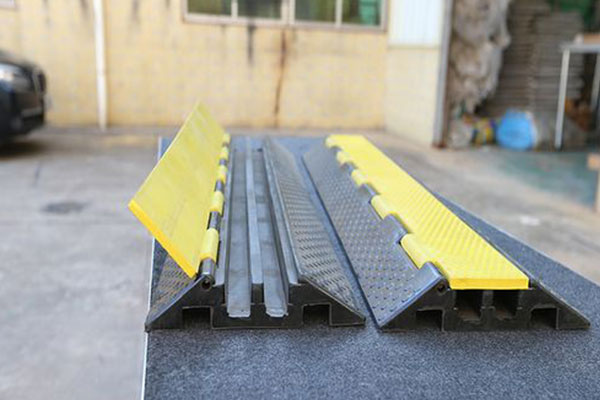
- Size and Channels: If you have several cables, look for a multi-channel protector that allows you to group cables together for easy organization.
Benefits of Using Cable Protectors
- Longer Cable Life: By preventing physical damage and wear, cable protectors increase the lifespan of your cables, saving you money on replacements.
- Enhanced Safety: Cable protectors help reduce the risk of tripping and accidents, making the workplace safer for employees and customers.
- Improved Efficiency: Keeping cables organized and protected makes it easier to manage and access cables when needed, improving overall productivity.
- Cost-Effective: While cable protectors are an investment upfront, they can save money in the long run by reducing the need for expensive repairs or replacements.
Conclusion
Cable protectors are a simple yet highly effective solution for managing and safeguarding your cables in various environments. By investing in the right type of protector, you can enhance safety, improve organization, and extend the life of your cables, all while preventing costly damage. Whether for home, office, or industrial use, cable protectors are an essential tool for anyone dealing with cables in high-traffic areas.