

How Long Does Reflective Sheeting Last?
When it comes to road signs, traffic markings, and safety equipment, reflective sheeting plays a crucial role in ensuring visibility, especially at night or in low-light conditions. The reflective material used in signage, vehicles, and road infrastructure must endure various environmental factors, including weather, UV exposure, and physical wear. So, how long does reflective sheeting last? Let’s dive into the factors that influence its longevity and what you can expect in terms of durability.
What is Reflective Sheeting?
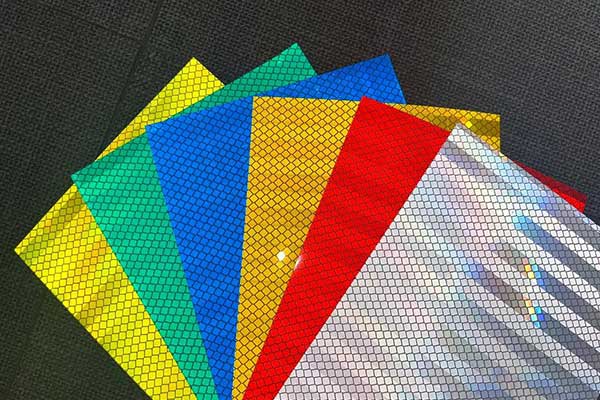
Reflective sheeting is a material used to make surfaces visible in low light by reflecting light back to its source. It is commonly used in traffic signs, vehicle markings, construction zones, and safety gear. Reflective sheeting comes in different grades, each designed for specific uses, and can be made from various materials like glass beads, microprisms, and engineered lens technology.
Factors Affecting the Lifespan of Reflective Sheeting
The lifespan of reflective sheeting is influenced by several key factors:
1. Type of Reflective Sheeting
The grade of reflective sheeting is one of the most important factors in its longevity. There are typically three categories:
- Engineer Grade: This is the most basic level and typically has a shorter lifespan of 5 to 7 years.
- High-Intensity Prismatic: This offers better visibility and durability, lasting around 7 to 10 years.
- Diamond Grade: The highest quality, suitable for critical traffic signs, and can last anywhere from 10 to 12 years or more.
2. Environmental Conditions
The environment plays a significant role in the wear and tear of reflective sheeting. Exposure to harsh weather conditions such as heavy rain, snow, wind, and extreme temperatures can shorten its lifespan. Areas with intense sunlight and UV radiation also cause the reflective material to degrade over time, causing discoloration and reduced reflective capability.
3. Maintenance and Cleaning
Regular maintenance and proper cleaning can extend the life of reflective sheeting. Dirt, grime, and other contaminants can accumulate on the surface, reducing its reflectivity. Routine cleaning with the right tools can help prevent this and preserve its performance. However, aggressive cleaning methods, such as using harsh chemicals or abrasive brushes, can damage the material and reduce its lifespan.
4. Exposure to Traffic and Wear
Reflective sheeting on road signs or vehicle markings may experience wear from traffic, physical contact, and mechanical damage. For example, road signs that are frequently hit by debris or vehicles may wear out faster than those in less trafficked areas. Similarly, reflective markings on vehicles that are exposed to regular washing, harsh chemicals, and friction may deteriorate sooner.
5. Quality of Installation
The way reflective sheeting is applied also impacts its durability. Proper installation ensures that the material adheres well to the surface, reducing the chances of peeling or bubbling. Subpar installation methods, or the use of incorrect adhesives, can cause the material to fail prematurely.
Average Lifespan of Reflective Sheeting
On average, reflective sheeting will last between 5 and 12 years, depending on the factors discussed above. Higher-quality materials, like diamond-grade sheeting, are built to last the longest, often exceeding 10 years in ideal conditions. However, environments with severe weather or high UV exposure might result in a shorter lifespan.
Here’s a quick breakdown of reflective sheeting lifespan by grade:
| Reflective Sheeting Type | Expected Lifespan |
|---|---|
| Engineer Grade | 5 – 7 years |
| High-Intensity Prismatic | 7 – 10 years |
| Diamond Grade | 10 – 12+ years |
Signs That Your Reflective Sheeting Needs Replacement
Even if reflective sheeting is built to last, there are signs that it may need replacing sooner than expected:
- Fading or discoloration – Loss of brightness and color is a clear sign that the sheeting is no longer performing optimally.
- Cracks or peeling – Physical damage to the surface can reduce its reflective capabilities.
- Decreased visibility – If the reflective material is no longer easily visible from a distance, it might need to be replaced to maintain safety.
Tips to Extend the Life of Reflective Sheeting
While you can’t entirely avoid wear over time, these tips can help extend the life of your reflective sheeting:
- Regular cleaning – Remove dirt, debris, and other contaminants that can obscure reflectivity.
- Use high-quality materials – If longevity is a priority, opt for higher-grade reflective sheeting, such as high-intensity or diamond-grade options.
- Inspect regularly – Conduct periodic inspections of reflective sheeting, especially on critical infrastructure like road signs, to ensure it remains effective.
Conclusion
Reflective sheeting is an essential safety feature for ensuring visibility in low-light conditions. Its lifespan can vary from 5 to 12 years, depending on the material type, environmental factors, and maintenance practices. By choosing the right grade of reflective sheeting and maintaining it properly, you can ensure its effectiveness for years to come, helping to keep roads and environments safer for everyone.