

Why Traffic Signs Matter: Purpose, Types, and Importance
Traffic signs are an essential part of modern transportation systems. Whether on highways, city streets, or rural roads, traffic signs help regulate, warn, and guide road users. Understanding the purpose of traffic signs is crucial for drivers, pedestrians, and businesses involved in road construction and safety equipment.
In this article, we explore the importance, categories, and real-world applications of traffic signs, as well as how they contribute to road safety and efficient traffic management.
What Are Traffic Signs?
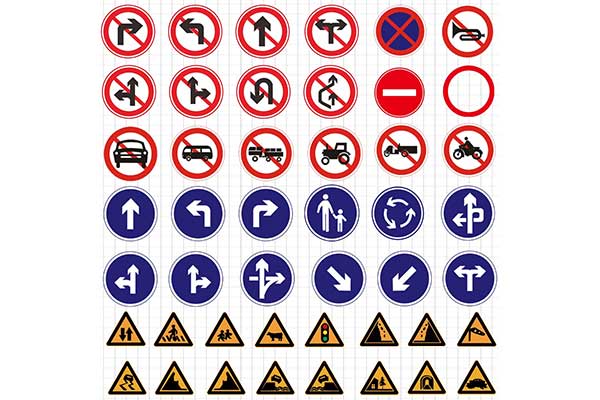
Traffic signs are standardized visual symbols placed along roads to convey important information to road users. They are designed to be easily recognizable and understood regardless of language, using colors, shapes, and symbols.
Their primary goal is to communicate rules, provide warnings, and offer guidance to ensure safe and efficient movement of vehicles and pedestrians.
The Main Purpose of Traffic Signs
1. Ensuring Road Safety
The most important purpose of traffic signs is to enhance safety. They alert drivers to potential hazards such as sharp curves, slippery roads, pedestrian crossings, and construction zones.
By providing advance warning, traffic signs give drivers enough time to react appropriately, reducing the risk of accidents.
2. Regulating Traffic Flow
Traffic signs enforce rules that drivers must follow. These include speed limits, stop signs, yield signs, and no-entry signs. Without these regulations, roads would become chaotic and dangerous.
They help maintain order and ensure that all road users follow consistent rules.
3. Providing Guidance and Direction
Directional signs help drivers navigate unfamiliar routes. They indicate distances, exits, destinations, and important locations such as hospitals, fuel stations, and rest areas.
This improves travel efficiency and reduces confusion on the road.
4. Supporting Traffic Management
Traffic signs play a key role in managing traffic flow, especially in busy urban areas. Proper signage helps reduce congestion by guiding vehicles efficiently and preventing bottlenecks.
5. Enhancing Driver Awareness
Traffic signs constantly remind drivers to stay alert and follow road rules. Warning signs, in particular, increase awareness of changing road conditions and potential dangers.
Types of Traffic Signs
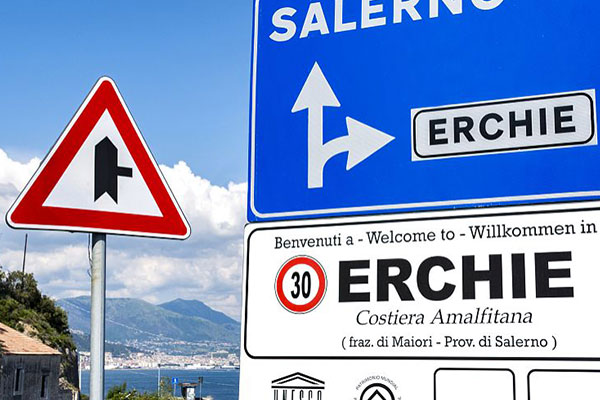
1. Regulatory Signs
These signs indicate laws and regulations that must be followed. Common examples include:
- Stop signs
- Speed limit signs
- No parking signs
Ignoring these signs can result in penalties or accidents.
2. Warning Signs
Warning signs alert drivers to potential hazards ahead. Examples include:
- Sharp turn ahead
- Road work ahead
- Pedestrian crossing
They are usually yellow or orange to grab attention quickly.
3. Guide Signs
Guide signs provide directional and informational assistance. Examples include:
- Highway exit signs
- Distance markers
- Location signs
They help drivers reach their destinations efficiently.
Conclusion
The purpose of traffic signs goes far beyond simple instructions. They are vital tools for ensuring safety, maintaining order, and improving the overall efficiency of transportation systems.
FAQs
The main purpose is to ensure road safety by regulating traffic, warning drivers of hazards, and providing directions.
They reduce accidents, improve traffic flow, and help drivers make informed decisions.
Regulatory signs, warning signs, and guide signs.