

Traffic Cones vs. Traffic Drums: What’s the Difference
Road safety devices play an important role in managing traffic flow, protecting workers, and preventing accidents in construction zones and temporary work areas. Among the most commonly used traffic control products are traffic cones and traffic drums.
While both are designed to guide drivers and improve visibility, they serve different purposes depending on the road conditions, traffic volume, and level of protection required.
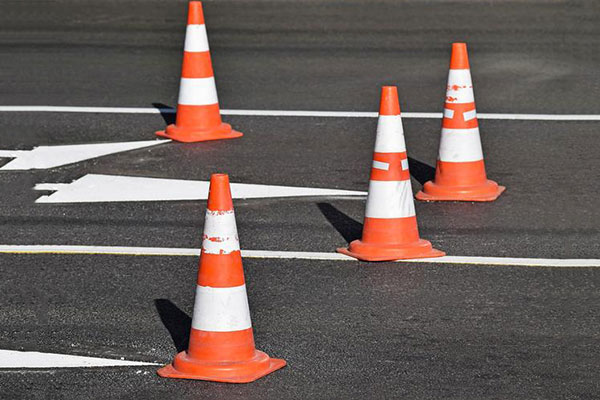
What Are Traffic Cones?
Traffic cones are lightweight, portable traffic control devices used to create temporary boundaries and guide vehicles and pedestrians. They are usually made from durable PVC or rubber materials and feature bright colors, such as orange, with reflective bands for improved visibility at night.
Traffic cones are widely used for:
- Road construction zones
- Lane separation
- Parking lot management
- Emergency situations
- Traffic direction
- Temporary hazard marking
Because they are easy to carry, set up, and store, traffic cones are one of the most common traffic safety products used around the world.
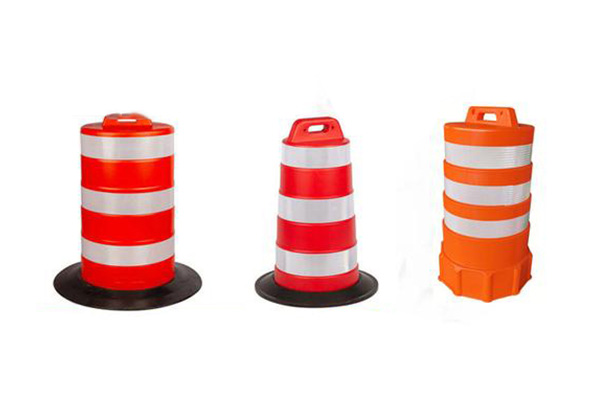
What Are Traffic Drums?
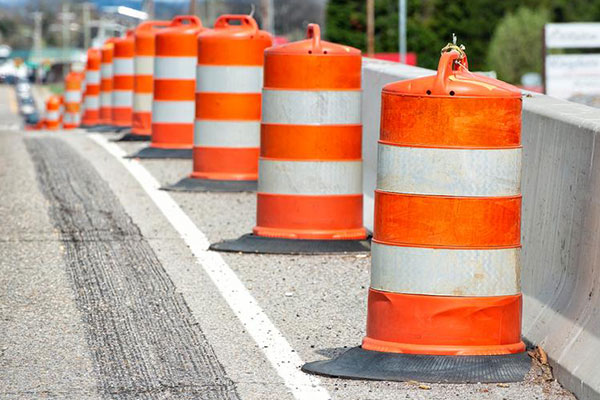
Traffic drums, also known as channelizer drums or traffic barrels, are larger traffic control devices designed for higher visibility and stronger separation between vehicles and restricted areas.
Unlike traffic cones, traffic drums have a wider base and a larger surface area, making them more noticeable to drivers. Many traffic drums are made from impact-resistant plastic and can be filled with water or sand to increase stability.
Traffic drums are commonly used for:
- Highway construction zones
- Road closures
- Lane shifts
- Long-term traffic control projects
- High-speed roadways
- Work zone protection
Their larger size makes them more effective at catching drivers’ attention and creating a stronger visual barrier.
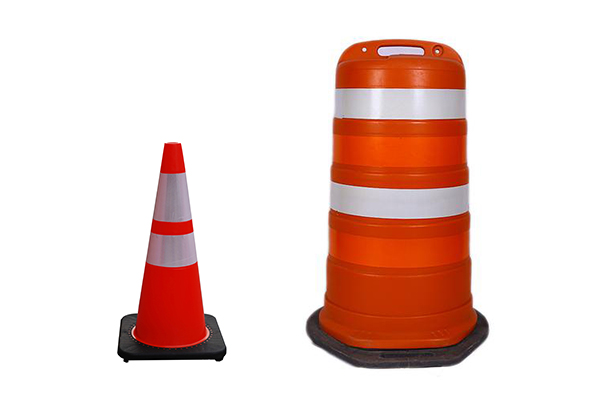
Traffic Cones vs. Traffic Drums: Key Differences
1. Size and Visibility
The biggest difference between traffic cones and traffic drums is their size.
Traffic cones are smaller and designed for flexible. They provide good visibility in normal traffic environments but may be difficult to see from a long distance.
Traffic drums are much larger and provide enhanced visibility, especially on highways or roads with high-speed traffic. Their large reflective areas help drivers recognize work zones earlier and adjust their driving accordingly.
2. Stability and Durability
Traffic cones are lightweight and easy to move, but they can be knocked over by strong winds or passing vehicles.
Traffic drums have a wider base and heavier construction. When filled with water or sand, they provide additional stability and are less likely to move, making them suitable for demanding environments.
3. Safety Protection
Traffic cones mainly serve as visual guides and warning markers. They help organize traffic but offer limited physical protection.
Traffic drums provide a stronger separation between vehicles and work areas. Their larger structure helps reduce accidental vehicle intrusion into restricted zones.
4. Application Areas
Traffic cones are ideal for:
- Short-term road maintenance
- Small repair projects
- Parking areas
- Events and temporary restrictions
Traffic drums are better suited for:
- High-speed roads
- Highway construction
- Large-scale infrastructure projects
- Areas requiring stronger channelization
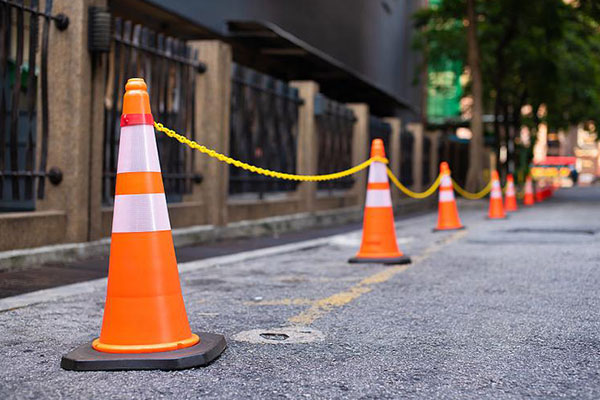
When Should You Use Traffic Cones?
Traffic cones are a practical choice when you need a quick and flexible traffic control solution. They are easy to transport, require minimal storage space, and can be placed or removed quickly.
Typical applications include:
- Marking temporary hazards
- Directing vehicles around minor repairs
- Creating pedestrian walkways
- Managing parking areas
For small projects with low traffic speeds, traffic cones usually provide sufficient guidance and visibility.
When Should You Use Traffic Drums?
Traffic drums are recommended when stronger visibility and traffic separation are needed.
They are commonly used in situations such as:
- Highway construction zones
- Heavy traffic areas
- Long-term road projects
- Work zones near fast-moving vehicles
Traffic drums provide a larger warning presence, helping drivers recognize changes in road conditions earlier.
Are Traffic Drums Safer Than Traffic Cones?
The answer depends on the application.
Traffic cones are effective for guiding traffic and marking temporary hazards, but their small size means they may be less noticeable at higher speeds.
Traffic drums provide better visibility because of their larger structure. They are designed to improve channelization and create a stronger visual warning for drivers. In areas with heavy traffic or higher vehicle speeds, traffic drums are often the preferred choice.
However, neither device replaces proper traffic management planning. The correct placement, spacing, and use of warning signs are also essential for maintaining road safety.
How to Choose Between Traffic Cones and Traffic Drums?
When selecting between traffic cones and traffic drums, consider the following factors:
1. Road Speed
Higher-speed roads require more visible and stable devices. Traffic drums are generally preferred for highways and major roads.
2. Project Duration
For short-term work, traffic cones are often more convenient. For long-term projects, traffic drums provide better durability and visibility.
3. Traffic Volume
Busy roads with heavy vehicle flow require stronger channelization. Traffic drums are more suitable for these conditions.
4. Safety Requirements
If the work zone is close to moving vehicles, larger devices such as traffic drums can provide better protection.
Conclusion
Both traffic cones and traffic drums are essential tools for effective traffic management. Traffic cones offer flexibility, portability, and convenience for temporary applications, while traffic drums provide higher visibility, stability, and stronger separation for demanding road environments.
For professional road construction and maintenance projects, selecting high-quality traffic safety products can help improve work zone safety and reduce accident risks.
Looking for reliable traffic control products for your next project? Roadsky provides durable traffic cones, traffic drums, and other road safety solutions designed for construction sites, highways, and traffic management applications. Contact Roadsky today to find the right solution for your needs.