

ASTM Reflective Sheeting Standards Explained
Reflective sheeting is the backbone of modern traffic safety. From highway guide signs to work-zone barricades, it ensures that critical road information remains visible at night, in poor weather, and under low-light conditions. In North America and many international markets, the benchmark for traffic sign reflectivity is ASTM International Standard D4956.
What is ASTM D4956?
ASTM International D4956 is the standard specification for retroreflective sheeting used in traffic control applications. It establishes the performance requirements for reflective materials used on:
- Traffic signs
- Delineators
- Barricades
- Channelizing devices
- Construction zone signage
- Other roadway safety devices
The standard covers both glass bead and microprismatic retroreflective sheeting. It specifies requirements for photometric performance, weather resistance, shrinkage, adhesion, flexibility, and durability.
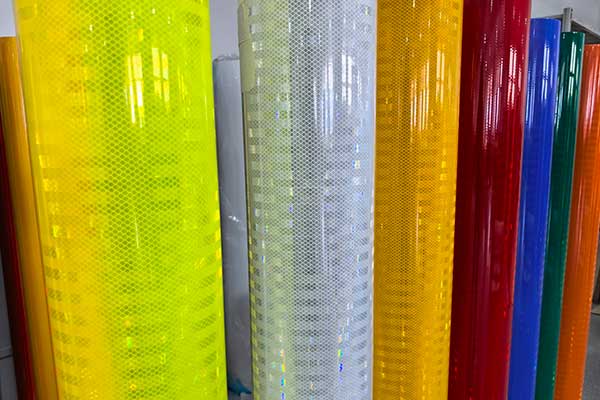
Why ASTM Reflective Sheeting Standards Matter
Compliance with ASTM D4956 helps ensure that traffic signs and safety devices:
- Provide adequate nighttime visibility
- Meet federal, state, and local roadway regulations
- Maintain performance over their intended service life
- Improve driver recognition distance and reaction time
- Enhance road safety for motorists, pedestrians, and workers
Without proper reflective performance, traffic signs can become difficult to read at night—when visibility matters most.
How Retroreflective Sheeting Works
Retroreflective sheeting is engineered to return incoming light directly back toward its source, such as vehicle headlights. Unlike ordinary reflective materials that scatter light, retroreflective surfaces channel light back to the driver, making signs appear bright and highly visible in darkness.
This optical performance is achieved using either:
- Glass bead technology – utilizes microscopic spherical beads
- Microprismatic technology – uses tiny prism-shaped cells for greater brightness and efficiency
Microprismatic sheeting generally offers higher reflectivity and longer service life than traditional glass bead materials.
ASTM D4956 Reflective Sheeting Types
ASTM D4956 classifies reflective sheeting into multiple performance categories. These “Types” define brightness, construction, durability, and intended applications.
Type I – Engineer Grade
Type I is an enclosed lens glass bead sheeting commonly known as engineer grade.
Key features:
- Economical option
- Suitable for non-critical signage
- Moderate reflectivity
- Typical service life: 7–10 years
Common applications:
- Parking signs
- Private property signs
- Commercial signage
- Temporary traffic control devices
Type II – Super Engineer Grade
Type II offers improved performance over Type I while still using glass bead technology.
Best suited for:
- Municipal streets
- Urban traffic environments
- Moderate-speed roadways
Type III – High Intensity Prismatic (HIP)
Type III is one of the most widely specified materials for permanent traffic signs.
Advantages:
- Significantly brighter than Type I and II
- Excellent long-distance visibility
- Longer durability
- Typical lifespan: 10–12 years or more
Ideal for:
- Regulatory signs
- Warning signs
- Guide signs
- Urban and rural roadways
Type IV – High Intensity Prismatic (Enhanced)
Type IV provides enhanced wide-angle performance and improved visibility.
It is often selected for:
- Complex intersections
- Multi-lane roads
- Areas requiring improved off-axis visibility
Type V – Super High Intensity Prismatic
Designed for demanding roadway environments, Type V offers higher reflectivity and wider observation angles than Type III.
Type VI – High Performance Prismatic
Type VI provides premium performance for critical traffic control applications.
Type VII – Super High Efficiency Prismatic
This type is commonly used where superior brightness and durability are required.
Type VIII – Very High Performance Prismatic
Type VIII delivers exceptional optical efficiency for high-speed roadway applications.
Type IX – Premium Prismatic Sheeting
Designed for:
- Freeways
- Expressways
- Overhead guide signs
- High-speed corridors
Type XI – Diamond Grade / Ultra High Performance
Type XI represents the highest-performing class of retroreflective sheeting under ASTM D4956.
Benefits include:
- Maximum brightness
- Superior long-distance legibility
- Excellent wide-angle performance
- Enhanced visibility for older drivers
- Outstanding performance in adverse weather
Recommended for:
- Interstate highways
- Overhead guide signs
- Critical warning signs
- High-risk intersections
- School zones
- Work zones
ASTM Reflective Sheeting Type Comparison
| ASTM Type | Technology | Relative Brightness | Typical Application |
|---|---|---|---|
| Type I | Glass Bead | Standard | Parking, private signs |
| Type II | Glass Bead | Moderate | Local roads |
| Type III | Microprismatic | High | Standard traffic signs |
| Type IV–VIII | Microprismatic | Higher | Specialized roadway use |
| Type IX | Microprismatic | Premium | High-speed roads |
| Type XI | Microprismatic | Maximum | Critical highway signage |
Choosing the Right ASTM Reflective Sheeting
Selecting the appropriate sheeting depends on several factors:
1. Road Classification
- Local roads may use Type I or III
- Highways typically require Type III, IX, or XI
2. Traffic Speed
Higher speeds demand greater sign visibility and longer recognition distances.
3. Sign Importance
Critical warning and regulatory signs often require higher-performance sheeting.
4. Environmental Conditions
Areas with frequent rain, fog, or snow benefit from premium prismatic materials.
5. Budget vs. Lifecycle Cost
Although premium sheeting costs more upfront, it often delivers better long-term value through extended service life and reduced replacement frequency.
ASTM D4956 Testing Requirements
To comply with ASTM D4956, reflective sheeting must pass rigorous testing for:
- Coefficient of retroreflection
- Weathering resistance
- Color conformity
- Adhesion
- Shrinkage
- Flexibility
- Impact resistance
- Outdoor durability
These tests ensure consistent performance throughout the product’s service life.
ASTM D4956 vs. MUTCD Requirements
While ASTM D4956 defines material performance, the Federal Highway Administration Manual on Uniform Traffic Control Devices (MUTCD) governs how and where reflective sheeting is used.
In practice:
- ASTM D4956 specifies the material
- MUTCD specifies the application
Together, they ensure traffic signs meet both performance and regulatory requirements.
Benefits of High-Performance Reflective Sheeting
Investing in higher-grade ASTM reflective sheeting offers:
- Improved nighttime visibility
- Longer sign life
- Reduced maintenance costs
- Better driver response times
- Enhanced roadway safety
Final Thoughts
ASTM reflective sheeting standards provide the framework for safe, durable, and highly visible traffic control devices. Whether you are manufacturing road signs, specifying materials for infrastructure projects, or sourcing reflective sheeting for public works, understanding ASTM D4956 is essential.
Ready to Source High-Quality Reflective Sheeting for Your Traffic Safety Projects?
Roadsky is a leading reflective sheeting manufacturer and supplier in China, providing durable, high-performance solutions for road signage, work zones, and infrastructure applications worldwide. Our reflective sheeting is engineered to meet international standards, ensuring exceptional visibility, weather resistance, and long-term durability.
In addition to reflective sheeting, Roadsky also manufactures a full range of traffic safety products, including reflective traffic signs, delineator posts, traffic cones, warning bollards, road studs, barricades, and other roadway safety solutions. Contact Roadsky today to find the right reflective materials and traffic safety products for your next project.