

Different Types of Garbage Bins
Garbage bins are essential for maintaining cleanliness and proper waste management in homes, offices, and public spaces. Choosing the right type of garbage bin can improve efficiency, promote recycling, and reduce environmental impact. In this article, we’ll explore the different types of garbage bins, their uses, and benefits.
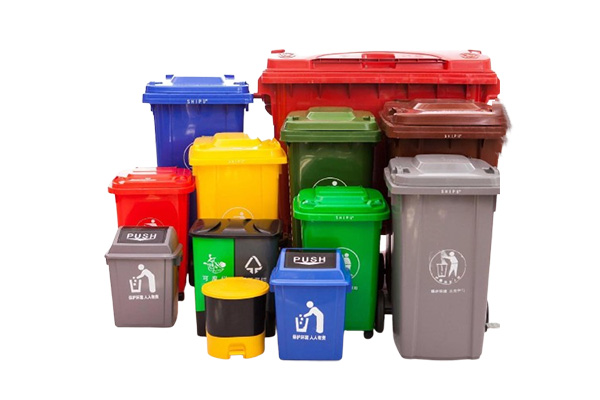
1. Standard Household Garbage Bins
Standard household garbage bins are the most common type used in kitchens, bathrooms, and bedrooms. They are usually made of plastic or metal and come in various sizes. Features to look for include:
- Lid types: swing lids, pedal lids, and open-top designs.
- Capacity: ranges from 5 liters for bathrooms to 50 liters for kitchens.
- Material: durable plastic or stainless steel for easy cleaning.
2. Recycling Bins
Recycling bins are designed to separate recyclable materials like paper, plastic, glass, and metal. Key points include:
- Color coding: blue for paper, green for glass, yellow for plastics.
- Multiple compartments: some bins allow sorting different recyclables in one unit.
- Environmental benefits: encourages recycling and reduces landfill waste.
3. Commercial and Industrial Garbage Bins
Commercial bins are larger and built for high-volume waste, making them ideal for offices, factories, and public areas. Types include:
- Wheelie bins: portable bins with wheels for easy transportation.
- Dumpster bins: large capacity bins for industrial waste.
- Material: heavy-duty plastic or metal for durability.
4. Smart Garbage Bins
With technological advancements, smart garbage bins are becoming more popular. These bins offer features such as:
- Automatic lid opening: motion sensors for hands-free use.
- Fill-level sensors: alerts when the bin is full.
- Odor control: built-in filters or sealing mechanisms.
5. Outdoor and Garden Garbage Bins
Outdoor bins are specifically designed to withstand weather conditions and pests. Important considerations include:
- Material: UV-resistant plastic or metal to prevent rust and cracks.
- Size: usually larger to handle garden waste, leaves, and outdoor debris.
- Special features: animal-proof lids to prevent wildlife interference.
6. Compost Bins
Compost bins are designed for organic waste such as food scraps and garden trimmings. They help reduce landfill waste and create natural fertilizer. Key features:
- Aeration: promotes proper decomposition.
- Odor control: ventilation and sealed lids to minimize smells.
- Size: varies from small indoor bins to large backyard units.
Conclusion
Choosing the right garbage bin depends on your waste type, volume, and location. From standard household bins to advanced smart bins, each type offers unique benefits to improve hygiene, recycling, and waste management efficiency.