

Different Types of Speed Bumps
Speed bumps are one of the most common traffic control devices used to reduce vehicle speed and improve road safety. From residential streets and parking lots to school zones and industrial areas, speed bumps help protect pedestrians, vehicles, and property. However, not all speed bumps are the same — they vary in shape, material, and purpose.
In this guide, we’ll explore the main types of speed bumps, their features, and ideal applications to help you choose the right one for your project.
1. Traditional Asphalt Speed Bumps

Asphalt speed bumps are the classic type seen on public roads and parking lots. They are built directly into the pavement and typically range from 2 to 4 inches in height.
Advantages
- Durable and weather-resistant
- Suitable for permanent installations
- Can be customized in width and height
Applications
- Residential streets
- Public parking areas
- Private roads with moderate traffic
2. Rubber Speed Bumps
Rubber speed bumps are pre-formed, modular traffic calming devices made from recycled rubber. They are bolted onto the road surface rather than built into it.

Advantages
- Easy to install and remove
- Eco-friendly (made from recycled materials)
- Reflective stripes for better visibility at night
Applications
- Parking lots
- School zones
- Hospitals and temporary traffic control areas
3. Plastic Speed Bumps

Plastic speed bumps are lightweight and modular, typically made from durable PVC or HDPE materials. They offer high visibility and quick installation.
Advantages
- Lightweight and portable
- Resistant to oil, moisture, and UV rays
- Often available in bright yellow or black colors
Applications
- Commercial complexes
- Private driveways
- Temporary or seasonal installations
4. Metal Speed Bumps
Metal speed bumps are heavy-duty traffic calming devices designed for industrial environments where trucks and large vehicles operate.

Advantages
- Extremely strong and long-lasting
- Ideal for heavy traffic and large vehicles
- Can be moved if needed
Applications
- Warehouses
- Loading docks
- Industrial facilities
5. Speed Humps

Speed humps are often confused with speed bumps but are longer and less abrupt. They reduce vehicle speed to 15–20 mph without a harsh impact.
Advantages
- Smoother for vehicles
- Effective for continuous traffic flow
- Suitable for both cars and larger vehicles
Applications
- Residential neighborhoods
- School zones
- Hospital driveways
6. Speed Cushions
Speed cushions are segmented humps with gaps that allow emergency vehicles (like fire trucks and ambulances) to pass without slowing down too much.

Advantages
- Emergency vehicle-friendly
- Effective in slowing passenger cars
- Can be installed in sections for easy maintenance
Applications
- City streets
- Emergency routes
- Suburban areas
7. Portable Speed Bumps
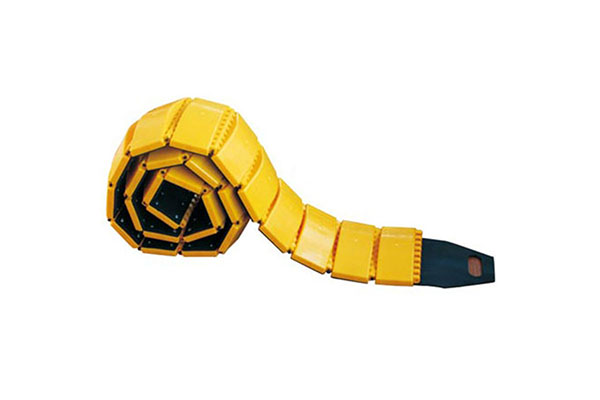
Portable speed bumps are temporary, roll-out devices made from rubber or plastic. They can be deployed quickly for events or roadwork zones.
Advantages
- Easy to carry and install
- Ideal for temporary use
- Reflective markings for high visibility
Applications
- Construction zones
- Event parking
- Temporary road safety management
Conclusion
The right speed bump solution keeps your roads safe and efficient. Consider your traffic type, installation needs, and maintenance budget when choosing between asphalt, rubber, plastic, or metal options. With the right product, you can reduce accidents, slow down traffic, and protect both vehicles and people—making every road safer to drive.
Looking for a reliable speed bump supplier for your next project? We provide custom designs, OEM services, and bulk pricing to meet your needs. Contact us for a free quote or customized solution for your project.