

Hairpin Bend Sign: Meaning and Safety Tips
Road signs play an important role in guiding drivers and preventing accidents, especially on roads with sharp curves, steep slopes, or limited visibility. Among these warning signs, the hairpin bend sign is especially important because it alerts drivers to one of the most challenging types of road bends. Understanding what this sign means and how to respond to it can help drivers travel more safely and confidently.
What is a Hairpin Bend Sign?
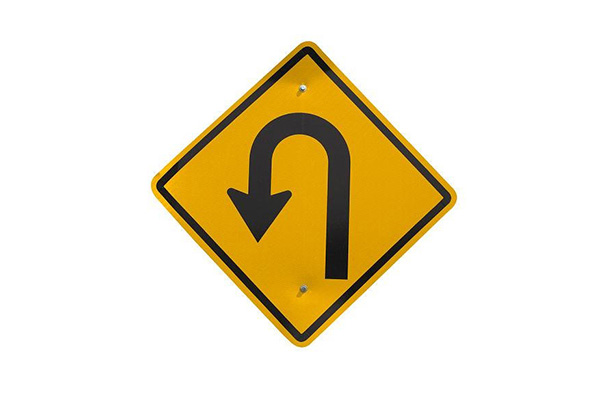
very sharp curve ahead. The bend is usually so tight that vehicles must slow down significantly before entering it. These signs are commonly seen on hill roads, mountain passes, winding rural routes, and roads with steep turns.
The main purpose of a hairpin bend sign is to help drivers prepare early, reduce speed, stay in the correct lane, and avoid accidents caused by sudden steering or loss of control.
Meaning of the Hairpin Bend Sign
A hairpin bend sign indicates that the road ahead has a sharp U-shaped or V-shaped curve. The turn may be to the left or right, depending on the direction shown on the sign.
Drivers should understand this sign as a warning to:
- Slow down before reaching the bend
- Avoid overtaking near the curve
- Use the horn where necessary, especially on narrow roads
- Stay in the proper lane
- Watch for vehicles coming from the opposite direction
Because hairpin bends often have limited visibility, careful driving is essential.
What Does a Hairpin Bend Sign Look Like?
Hairpin bend signs typically feature:
- A black curved arrow indicating a sharp turn.
- A yellow or orange reflective background in many countries.
- A triangular shape with a red border in regions following European traffic sign standards.
- High-visibility reflective materials for nighttime recognition.
The sign may indicate either:
- Hairpin Bend Left – warns of a sharp left-hand turn.
- Hairpin Bend Right – warns of a sharp right-hand turn.
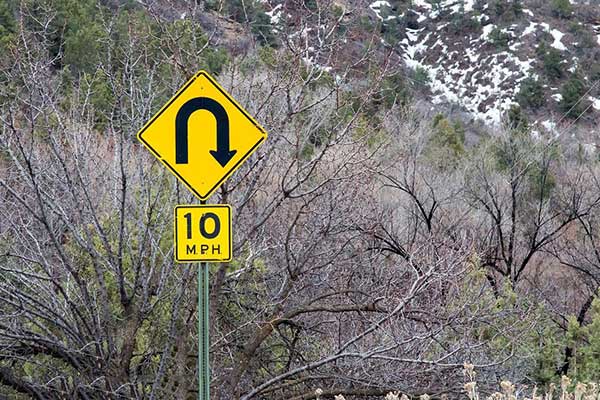
In some locations, supplementary plates may display recommended speed limits or distance information.
Where Are Hairpin Bend Signs Installed?
Hairpin bend signs are commonly installed on:
- Mountain Roads: Mountain highways often include multiple switchbacks and steep curves. Hairpin bend signs help drivers navigate these challenging routes safely.
- Hill Roads: Roads built along hillsides frequently require sharp directional changes due to terrain constraints.
- Scenic Routes: Tourist and scenic drives often contain winding roads where warning signs improve visitor safety.
- Rural Roads: Remote roads with steep grades and limited visibility may require hairpin bend signage to prevent accidents.
- Construction and Temporary Diversions: Temporary hairpin bends created during road construction projects may also require warning signs.
Safety Tips for Driving Near a Hairpin Bend
When you see a hairpin bend sign, reduce your speed immediately and prepare for a sharp turn. Keep both hands on the steering wheel and avoid sudden braking while turning.
If the road is narrow, drive close to your lane and remain alert for buses, trucks, motorcycles, or vehicles coming downhill. On steep roads, use a lower gear to maintain better control. Never overtake near a hairpin bend, as visibility is usually poor.
At night or during rain, fog, or snow, extra caution is needed because the road surface may become slippery and the curve may be harder to judge.
Difference Between a Curve Sign and a Hairpin Bend Sign
A normal curve sign warns drivers about a gentle or moderate bend. A hairpin bend sign warns about a much sharper turn that often requires a major speed reduction.
In simple terms, a curve sign means “slow down and turn carefully,” while a hairpin bend sign means “slow down significantly and be ready for a very sharp turn.”
Conclusion
The hairpin bend sign is an important road safety sign that warns drivers about a sharp and potentially dangerous turn ahead. By reducing speed, avoiding overtaking, staying alert, and following road rules, drivers can safely navigate hairpin bends and reduce the risk of accidents.