

Pedestrian Sign: Meaning, Colors, Types, Uses, Rules
Pedestrian signs are important traffic control devices that help protect people walking near roads. They alert drivers to pedestrian crossings, identify designated walking areas, and provide safety instructions for both drivers and pedestrians.
These signs are commonly found near schools, intersections, residential streets, shopping centers, parking lots, and public spaces.
But what does a pedestrian sign mean? What do different colors and symbols represent? In this guide, we will explain the common types of pedestrian signs, their meanings, and the basic traffic rules associated with them.
What Does a Pedestrian Sign Mean?
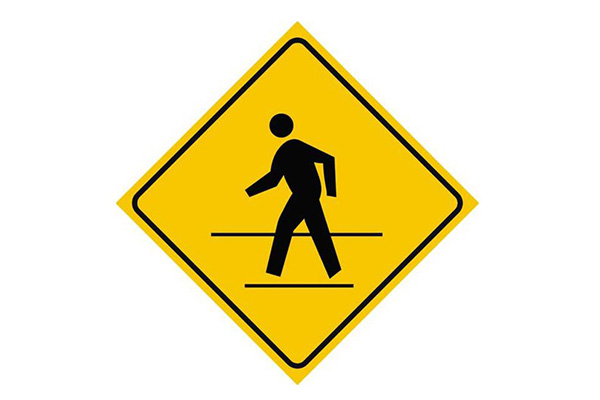
A pedestrian sign is a traffic sign designed to warn, inform, or guide people about pedestrian activity. It usually features a human walking symbol, sometimes accompanied by arrows, text, or other graphic elements.
For drivers, these signs serve as reminders to slow down and watch for people crossing the road. For pedestrians, they help identify safe walking routes and crossing locations.
What Color is a Pedestrian Sign?
Generally, pedestrian signs use two main colors: bright yellow and fluorescent yellow-green. These colors help drivers notice the signs from a distance. The sign usually features a black symbol of a person crossing the road. In school zones, the pictogram may show two walking children to warn drivers about students crossing nearby.
Common Types of Pedestrian Signs
Different pedestrian signs serve different purposes. Here are some of the most common types used on roads and in public areas.
1. Pedestrian Crossing Sign
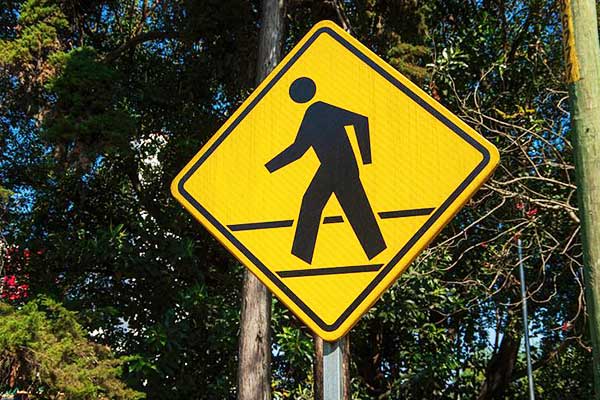
A pedestrian crossing sign warns drivers that a designated crosswalk is ahead or nearby. It usually features a walking person symbol and is installed near intersections, crosswalks, and areas with frequent pedestrian movement.
2. School Crossing Sign
A school crossing sign alerts drivers that children may be crossing the road. It is commonly installed near schools, playgrounds, and educational facilities to encourage drivers to reduce speed and remain alert.
3. Pedestrian Only Sign
This sign indicates that a particular area or pathway is reserved for pedestrians. It is frequently used in shopping streets, parks, public squares, and pedestrian zones.
4. No Pedestrian Sign
A no-pedestrian sign prohibits people from entering a specific road or area. It is commonly found near highways, tunnels, industrial facilities, and restricted-access zones.
5. Yield to Pedestrians Sign
This sign reminds drivers to give pedestrians priority at designated crossing locations where required by traffic laws. It is commonly used at crosswalks, parking lot exits, and shared roadways.
6. Flashing Pedestrian Crossing Sign
A flashing pedestrian crossing sign uses LED lights to attract drivers’ attention. Some models are activated by pedestrian push buttons or detection systems, while others operate automatically.
Where Are Pedestrian Signs Used?
Pedestrian signs are installed in various locations to improve road safety and organize pedestrian movement.
- School Zones: Warn drivers about children crossing nearby.
- Road Intersections: Identify pedestrian crossings and improve driver awareness.
- Shopping Centers: Separate walking areas from vehicle routes.
- Parking Lots: Help drivers recognize pedestrian pathways.
- Hospitals: Guide visitors and patients toward designated walkways.
- Construction Sites: Direct pedestrians around temporary road closures and work zones.
- Parks and Public Spaces: Identify walking paths and pedestrian-only areas.
Proper sign placement helps drivers recognize potential hazards and allows pedestrians to move more safely.
Basic Traffic Rules for Pedestrian Signs
Understanding pedestrian signs is important, but drivers and pedestrians must also follow basic road safety practices.
For drivers:
- Slow down when approaching pedestrian crossings.
- Watch for pedestrians on both sides of the road.
- Yield or stop when required by local traffic laws.
- Avoid blocking crosswalks.
- Pay extra attention near schools and residential areas.
For pedestrians:
- Use designated crosswalks whenever available.
- Follow pedestrian traffic signals.
- Look both ways before crossing.
- Avoid suddenly entering the roadway.
- Stay alert and avoid distractions while walking.
Following these practices helps reduce traffic conflicts and improve pedestrian safety.
Conclusion
Pedestrian signs play an important role in road safety by warning drivers about pedestrian crossings and guiding people toward safe walking areas. Understanding their colors, symbols, and meanings helps drivers and pedestrians follow traffic rules and avoid potential accidents.
Looking for reliable pedestrian signs for your road safety projects? Roadsky offers a range of traffic signs with durable materials, reflective options, and customized specifications. Contact Roadsky today to learn more about our products and get a competitive quotation for your project.