

Reflective Sheeting Grades Explained
Reflective sheeting is widely used on traffic signs, road safety devices, barricades, delineators, and vehicle markings. Its main purpose is to reflect light from vehicle headlights back toward the driver, improving nighttime visibility.
However, not all reflective sheeting provides the same level of brightness. Three common grades are Engineer Grade, High-Intensity Prismatic (HIP), and Diamond Grade.
Understanding their differences can help you choose the right reflective material for your project.
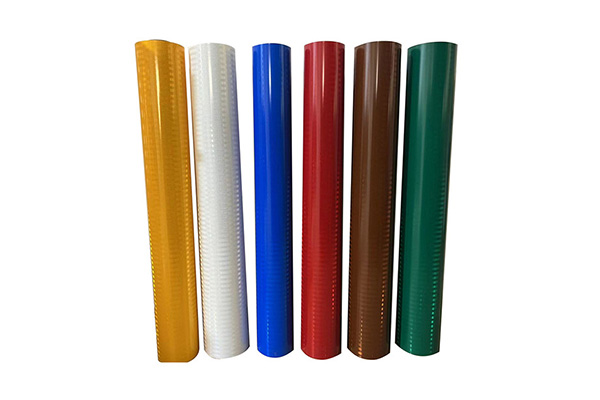
Engineer Grade Reflective Sheeting
Engineer grade reflective sheeting is the basic level of reflective sheeting commonly used for general signs.
Traditional engineer grade reflective sheeting generally uses glass-bead technology and provides moderate retroreflectivity. They are suitable for applications where maximum nighttime visibility is not required.
Common Uses
Engineer Grade reflective sheeting is often used for:
- Parking signs
- Street name signs
- Property signs
- Facility signs
- Directional signs
- General safety signs
Main Features
Engineer grade reflective sheeting provides lower reflectivity than prismatic materials, but it is usually the most economical option.
It works well in low-speed, low-traffic, or well-lit areas where signs can be seen from relatively short distances.
Its typical outdoor service life is around 5–7 years, depending on product quality, climate, UV exposure, and installation conditions.
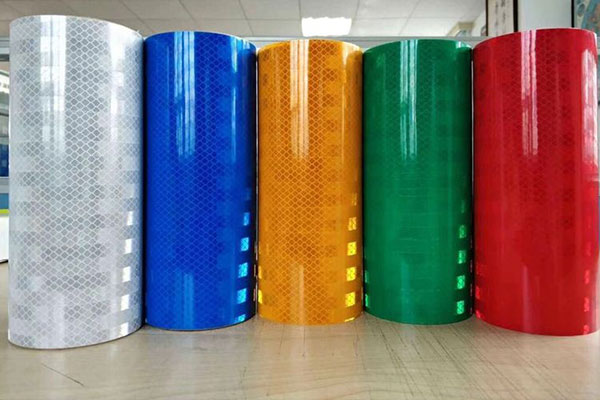
High-Intensity Prismatic Reflective Sheeting
High-Intensity prismatic reflective sheeting, or HIP, uses microprismatic technology to provide stronger retroreflection than traditional engineer grade materials.
The prism structure returns more light toward the source, helping drivers see signs from greater distances at night.
Common Uses
HIP reflective sheeting is widely used for:
- Regulatory traffic signs
- Warning signs
- Construction zone signs
- Road work signs
- Guide signs
- Delineators
- Barricades
Main Features
Compared with Engineer Grade, HIP generally offers:
- Higher retroreflectivity
- Better nighttime visibility
- Greater viewing distance
- Better visibility at wider angles
- Longer outdoor durability
HIP reflective sheeting commonly has a service life of around 7–10 years under normal outdoor conditions.
For many traffic sign projects, HIP reflective sheeting provides a good balance between performance, durability, and cost.
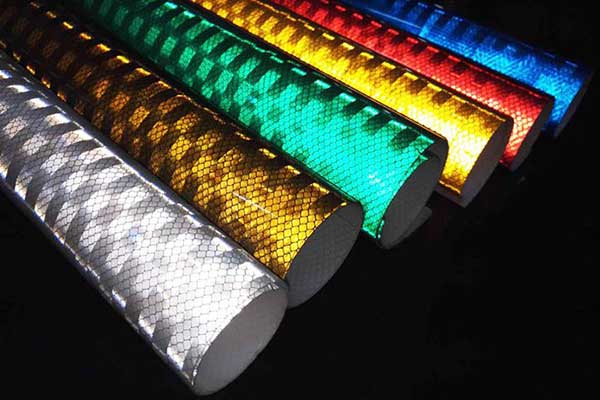
Diamond Grade Reflective Sheeting
Diamond grade reflective sheeting is a high-performance prismatic material designed for applications where maximum nighttime visibility is important.
Its advanced prismatic structure returns a high amount of light toward drivers, making signs easier to recognize from long distances and at challenging viewing angles.
Common Uses
Diamond grade reflective sheeting is suitable for:
- Highway traffic signs
- Expressway signs
- Stop and yield signs
- Critical warning signs
- Intersections
- Sharp curves
- School zones
- Overhead road signs
- Low-light rural roads
Main Features
Diamond grade reflective sheeting generally provides:
- Very high retroreflectivity
- Excellent nighttime visibility
- Longer viewing distances
- Better performance at wider angles
- Long outdoor service life
Diamond grade reflective sheeting can typically provide around 10–12 years of outdoor durability, depending on the product specification and installation environment.
This makes it particularly suitable for high-speed roads and critical safety applications.
Engineer Grade vs HIP vs Diamond Grade
The main difference between the three grades is their level of visibility and intended application.
| Grade | Reflectivity | Typical Service Life | Typical Application | Cost |
|---|---|---|---|---|
| Engineer Grade | Basic | 5–7 years | Parking, facility and low-speed signs | Low |
| HIP | High | 7–10 years | Standard traffic and warning signs | Medium |
| Diamond Grade | Very High | 10–12 years | Highways and critical traffic signs | Higher |
In simple terms:
Engineer grade is suitable for basic and lower-cost signage.
HIP provides stronger visibility and longer service life for most traffic applications.
Diamond grade is designed for demanding applications where maximum nighttime visibility and longer durability are required.
How to Choose the Right Reflective Grade
Choose the reflective grade based on road speed, visibility needs, service life, and budget.
- Engineer Grade: Best for parking areas, facilities, and low-speed roads.
- HIP: Suitable for most traffic signs, warning signs, and work zones.
- Diamond Grade: Recommended for highways, overhead signs, and other high-speed or critical locations.
Always check the required traffic standard and project specification before purchasing.
Conclusion
Choosing reflective sheeting is really about matching the grade to the job. Engineer grade reflective sheeting is enough for basic, low-speed applications, High-Intensity prismatic reflective sheeting works well for most standard traffic signs, and diamond grade reflective sheeting is better for highways and places where stronger nighttime visibility is needed.
If you are not sure which grade fits your project, Roadsky can help you compare the options based on your application, required standard, and budget. Contact us for product details or a quotation.