

Speed Bumps: Types, Uses, Benefits and Installation Guide
Speed bumps are one of the most widely used traffic calming solutions designed to reduce vehicle speed in residential areas, parking lots, industrial zones, and school zones. They physically force drivers to slow down, improving safety for pedestrians, cyclists, and other road users.
In modern urban planning, speed control is a critical part of reducing accidents and improving traffic flow efficiency. As a key component of Traffic calming, speed bumps play an essential role in shaping safer roads.
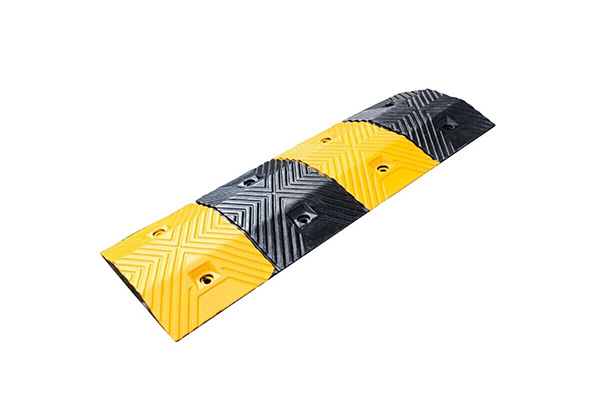
What Are Speed Bumps?
Speed bumps are raised structures installed across roadways to slow down vehicles. They are typically shorter and more abrupt than speed humps, requiring drivers to reduce speed significantly—usually to around 5–10 mph (8–16 km/h).
Unlike signage or warnings, speed bumps enforce compliance through physical vehicle response, making them highly effective in controlled environments.
Types of Speed Bumps
1. Traditional Speed Bumps
These are the most aggressive form of speed control. They are high and narrow, forcing drivers to slow down drastically. They are commonly used in parking lots and private roads.
2. Speed Humps
Speed humps are wider and more gradual than bumps. They are designed for roads with slightly higher speed limits (15–25 mph). They provide smoother vehicle transitions.
3. Speed Cushions
Speed cushions are segmented bumps that allow emergency vehicles to pass with less disruption while still slowing down regular cars.
4. Rumble Strips (Related Solution)
While not a vertical bump, rumble strips are another traffic calming method used to alert drivers through vibration and sound.
Key Benefits of Speed Bumps
Speed bumps play a crucial role in traffic safety and management. Their benefits include:
1. Improved Road Safety
Speed bumps significantly reduce the likelihood of high-speed collisions in sensitive areas such as schools, hospitals, and residential neighborhoods.
2. Traffic Speed Reduction
They enforce consistent low-speed driving without relying solely on signage or enforcement.
3. Pedestrian Protection
By slowing vehicles, speed bumps create safer crossings for pedestrians and cyclists.
4. Reduced Accident Severity
Lower speeds mean reduced braking distance and less severe crash impacts.
5. Cost-Effective Traffic Control
Compared to electronic systems or active monitoring, speed bumps are relatively low-cost and easy to maintain.
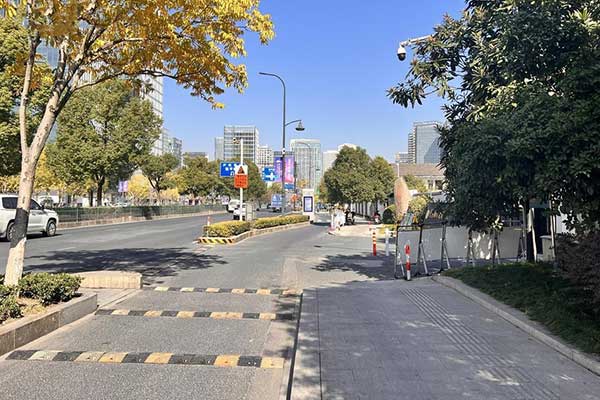
Where Are Speed Bumps Used?
Speed bumps are commonly installed in:
- Residential communities
- School zones
- Hospital entrances
- Parking lots and malls
- Industrial facilities
- Private roads and gated communities
- Loading docks and warehouses
They are especially effective in areas where pedestrian activity is high and vehicle speed needs to be strictly controlled.
Materials Used in Speed Bump Construction
Rubber Speed Bumps
- Easy installation
- High visibility (often with reflective markings)
- Flexible and removable
Concrete Speed Bumps
- Extremely durable
- Suitable for long-term permanent installations
- Higher installation cost
Asphalt Speed Bumps
- Integrated into road surfaces
- Smooth appearance
- Requires professional construction
Plastic Speed Bumps
- Lightweight
- Easy to transport
- Quick installation
Speed Bump Design Standards
Proper design is crucial to ensure safety and effectiveness. Common design considerations include:
- Height: Typically 50–100 mm
- Width: Varies depending on road type
- Color: High-visibility colors like yellow and black
- Reflective strips: Improve nighttime visibility
- Slope design: Smooth gradients to reduce vehicle damage
Different countries and municipalities may have specific regulations, so compliance with local standards is important.
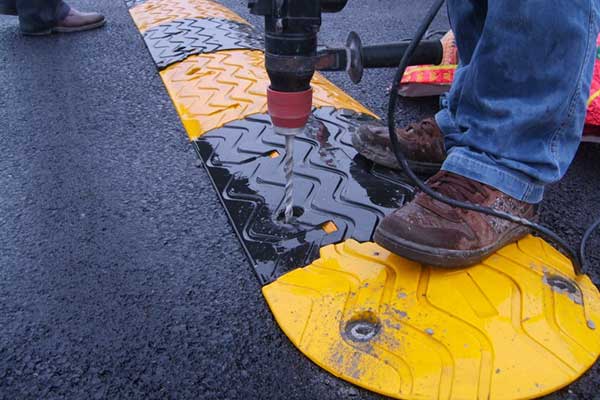
Installation Best Practices
To ensure maximum performance and safety, follow these installation guidelines:
- Ensure clear warning signage before the speed bump
- Maintain proper spacing between multiple bumps
- Use reflective markings for night visibility
- Follow local transportation regulations
- Choose material based on traffic load and environment
Speed Bumps vs Speed Humps
| Feature | Speed Bumps | Speed Humps |
|---|---|---|
| Height | Higher | Lower |
| Width | Narrow | Wide |
| Speed Reduction | Strong | Moderate |
| Comfort | Low | Higher |
| Usage Area | Parking lots, private roads | Public streets |
Speed bumps are more aggressive and suitable for low-speed enforcement zones, while humps are better for general traffic calming.
Conclusion
Speed Bumps are a simple yet highly effective solution for improving road safety and controlling traffic speed. Whether used in residential communities, industrial zones, or private facilities, they provide a reliable way to protect pedestrians and enforce safe driving behavior without constant supervision.