

The Role of Speed Bumps in Road Safety
Road safety is a major concern for communities, businesses, and transportation authorities. With increasing traffic volumes and pedestrian activity, controlling vehicle speed has become essential to reducing accidents and creating safer road environments. One of the most effective and widely used traffic calming solutions is the speed bump.
Speed bumps are simple yet highly effective road safety devices designed to reduce vehicle speeds in areas where slow and careful driving is required. From residential streets and school zones to parking lots and industrial areas, speed bumps help protect pedestrians, improve traffic control, and minimize the risk of collisions.
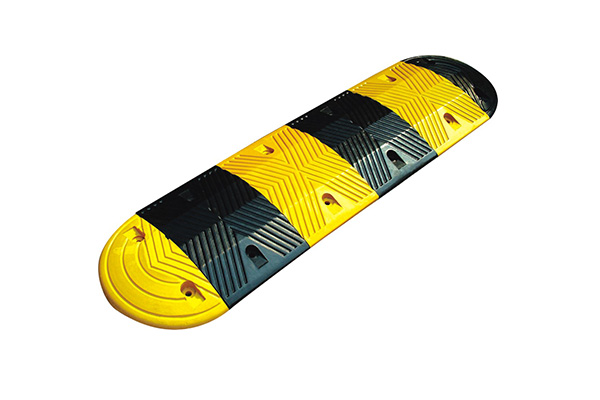
What Are Speed Bumps?
A speed bump is a raised section of road surface designed to force drivers to slow down when passing over it. Unlike traditional road markings or warning signs that rely on driver attention, speed bumps create a physical change in the roadway that naturally encourages speed reduction.
Speed bumps are commonly made from materials such as:
- Rubber
- Recycled plastic
- Asphalt
- Concrete
- Steel
Rubber and plastic speed bumps are especially popular because they are durable, easy to install, and suitable for temporary or permanent traffic management applications.
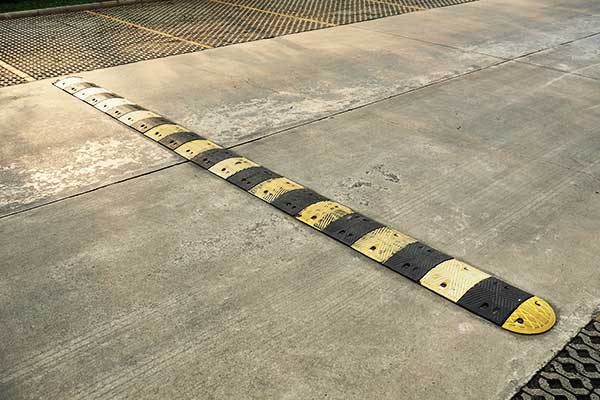
How Speed Bumps Improve Road Safety
1. Reducing Vehicle Speeds
The primary role of speed bumps is to slow down vehicles. Excessive speed is one of the leading causes of traffic accidents because it reduces driver reaction time and increases braking distance.
By forcing drivers to reduce speed, speed bumps help create safer conditions for:
- Pedestrians crossing roads
- Children playing near streets
- Cyclists and other vulnerable road users
- Vehicles entering and exiting busy areas
Lower vehicle speeds can significantly reduce the severity of accidents when collisions occur.
2. Protecting Pedestrians in High-Risk Areas
Certain locations require additional safety measures due to high pedestrian activity. Speed bumps are commonly installed near:
- Schools and playgrounds
- Hospitals
- Residential communities
- Shopping centers
- Parking areas
- Industrial facilities
By slowing vehicles in these areas, speed bumps provide pedestrians with more time to safely cross roads and reduce the likelihood of serious injuries.
3. Improving Traffic Management
Speed bumps are an important part of traffic systems. They help regulate vehicle movement in areas where maintaining low speeds is necessary.
For example, in parking lots, speed bumps prevent vehicles from moving too quickly between lanes, improving safety for pedestrians and parked vehicles. In private roads and residential areas, they discourage speeding and promote more responsible driving behavior.
4. Reducing Accident Risks
High-speed driving increases both the chance of accidents and the severity of injuries. Speed bumps help reduce these risks by encouraging drivers to maintain safer speeds.
They are especially useful in locations where drivers may not expect pedestrians, such as:
- Apartment complexes
- Warehouses
- Construction sites
A properly installed speed bump can serve as a constant reminder for drivers to slow down.
Speed Bumps vs. Speed Humps
Although the terms are sometimes used interchangeably, speed bumps and speed humps have different designs and purposes.
Speed bumps:
- Shorter and higher
- Cause a stronger speed reduction
- Commonly used in parking lots and private areas
Speed humps:
- Longer and flatter
- Allow vehicles to pass more smoothly
- Often used on public roads and residential streets
Choosing the correct traffic calming device depends on factors such as road type, vehicle speed, and safety requirements.
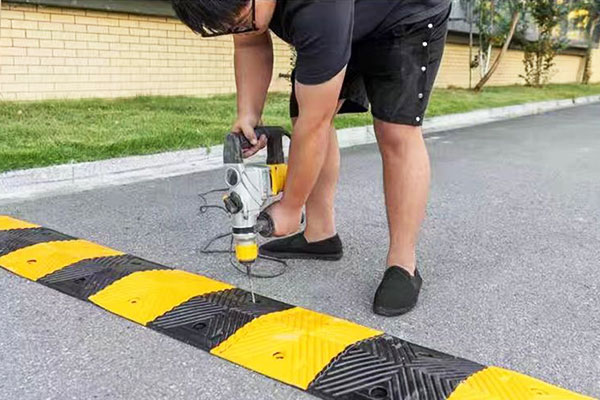
Proper Installation of Speed Bumps
To maximize safety benefits, speed bumps must be installed correctly. Important considerations include:
1. Location Selection
Speed bumps should be placed in areas where speeding is a concern but should not interfere with emergency vehicle access or normal traffic flow.
2. Visibility
High-visibility colors, reflective markings, and warning signs help drivers recognize speed bumps in advance, especially at night or in poor weather conditions.
3. Correct Dimensions
The height and width of a speed bump should match the expected traffic conditions. Improperly designed speed bumps may cause unnecessary vehicle damage or reduce road safety.
Benefits of Using Speed Bumps
Installing speed bumps provides several advantages:
- Improved pedestrian safety
- Reduced speeding problems
- Better traffic control
- Lower accident risks
- Cost-effective road safety solution
- Suitable for various environments
Because of their simplicity and effectiveness, speed bumps remain an essential component of modern traffic management systems.
Conclusion
Speed bumps play an important role in improving road safety by controlling vehicle speeds and protecting vulnerable road users. Whether installed in residential areas, parking lots, schools, or industrial facilities, they provide a practical solution for reducing speeding and preventing accidents.
For organizations looking to improve traffic safety, choosing high-quality speed bumps with proper installation can create safer roads and more controlled environments. Roadsky provides reliable road safety solutions designed to support safer transportation and effective traffic management. Contact us today to learn more about suitable speed control products for your project.