

Traffic Baton: Uses, Benefits, and Safety Tips
Traffic safety is essential for maintaining smooth traffic flow and protecting road users in busy urban areas, construction zones, parking facilities, and emergency situations. One simple yet effective tool used by traffic officers, security personnel, and road construction workers is the traffic baton. Designed to improve visibility and communicate clear instructions, a traffic baton helps personnel direct vehicles and pedestrians more safely and efficiently.
Whether used by traffic police, construction crews, parking attendants, or event security teams, traffic batons offer several practical advantages. In this article, we explore the key benefits of using a traffic baton and explain why it is an important tool for traffic management and road safety.
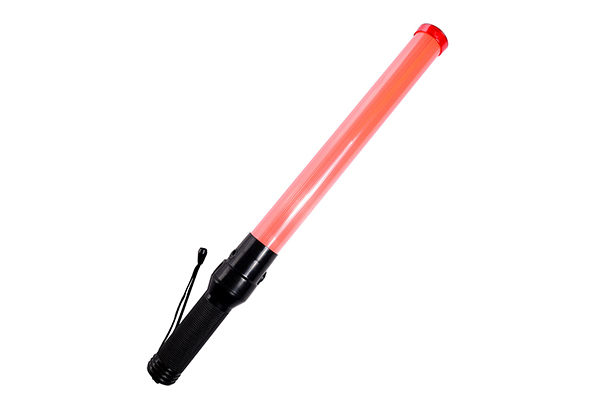
What is a Traffic Baton?
A traffic baton is a handheld signaling tool used to guide vehicles, control pedestrian movement, and communicate traffic instructions. It typically features a brightly colored body, often red or orange, to attract attention and improve visibility.
Many modern traffic batons are equipped with LED lights, making them easier to see in low-light conditions, at night, or during adverse weather. Some models also feature flashing modes, ergonomic handles, wrist straps, and durable, weather-resistant materials.
Traffic batons are widely used by traffic police, road construction workers, parking attendants, security guards, airport ground staff, and event organizers.
Key Benefits of Using a Traffic Baton
1. Improves Visibility at Night
Traffic batons, especially LED models, provide bright illumination that helps drivers recognize traffic signals in low-light conditions. They are ideal for nighttime traffic control, road construction zones, and emergency situations.
2. Enhances Road Safety
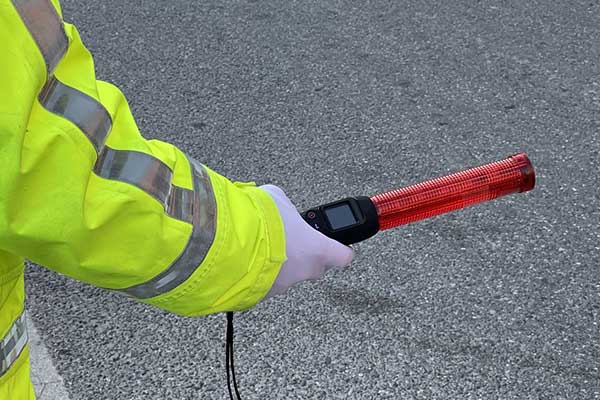
Traffic batons help personnel communicate clear instructions while maintaining a safer distance from moving vehicles. When used with reflective clothing, warning signs, and other safety equipment, they can help reduce confusion and improve safety for both workers and drivers.
3. Ensures Clear Traffic Direction
A traffic baton makes hand signals easier to recognize, helping drivers understand when to stop, slow down, or proceed. It is widely used by traffic police, construction workers, parking attendants, and security personnel.
4. Supports Efficient Traffic Flow
Traffic batons help personnel coordinate vehicle movement at intersections, construction sites, parking areas, and public events. Clear visual signals can reduce misunderstandings and support smoother traffic operations.
5. Offers Portability and Cost-Effectiveness
Traffic batons are lightweight, easy to carry, and simple to operate. Their affordable cost makes them a practical choice for businesses and organizations that need reliable traffic control equipment for daily operations.
Traffic Baton vs. Traditional Hand Signals
Traditional hand signals remain useful for traffic direction, but their visibility may be limited in low-light environments or at greater distances.
A traffic baton makes hand movements more noticeable by adding a bright, high-contrast visual element or an illuminated signal.
| Feature | Traditional Hand Signals | LED Traffic Baton |
|---|---|---|
| Daytime use | Effective when clearly visible | Effective when clearly visible |
| Nighttime visibility | Often limited | Generally improved when illuminated |
| Visual attention | Depends on hand movement and background | Bright light can attract attention |
| Portability | No additional equipment required | Lightweight and easy to carry |
| Battery requirement | None | Required for illuminated models |
| Maintenance | Minimal | May require battery charging or replacement |
The most suitable option depends on the operating environment, visibility requirements, and applicable traffic control procedures. In many situations, traffic batons complement rather than replace traditional hand signals.
Best Practices for Using a Traffic Baton
To maximize the benefits of a traffic baton, personnel should follow proper signaling procedures and workplace safety practices.
- Wear appropriate high-visibility clothing: A traffic baton should be used alongside suitable reflective clothing and other required personal protective equipment.
- Use clear, consistent signals: Personnel should receive training in approved traffic control signals and understand how to communicate stop, proceed, and directional instructions.
- Check the baton before use: Inspect the body, handle, switch, and light output. For rechargeable models, ensure the battery has sufficient charge.
- Position yourself safely: Follow the site traffic management plan and avoid standing in the path of moving vehicles or entering unsafe blind spots.
- Choose the right lighting mode: Use the mode appropriate for the environment and local requirements. Avoid signals that could confuse drivers.
- Maintain the equipment: Clean the baton, inspect it for damage, and replace faulty batteries or damaged units as necessary.
- Use additional traffic control equipment when needed: Traffic cones, barriers, signs, warning lights, and trained personnel may be necessary to establish a safe work zone.
Following these practices helps personnel use traffic batons more effectively while maintaining a safer working environment.
Conclusion
Traffic batons are simple but valuable tools for improving visibility, supporting clear communication, and organizing vehicle movement. From road construction sites and parking facilities to security checkpoints and public events, they help personnel deliver more noticeable traffic instructions in a variety of environments.