

Triangle Street Sign: Meaning, Types, and Importance
Triangle street signs are one of the most recognizable symbols on roads worldwide. These signs play a crucial role in alerting drivers and pedestrians about potential hazards, guiding safe driving, and maintaining road safety. Understanding their meaning and purpose can help drivers respond appropriately and reduce the risk of accidents.
What is a Triangle Street Sign?
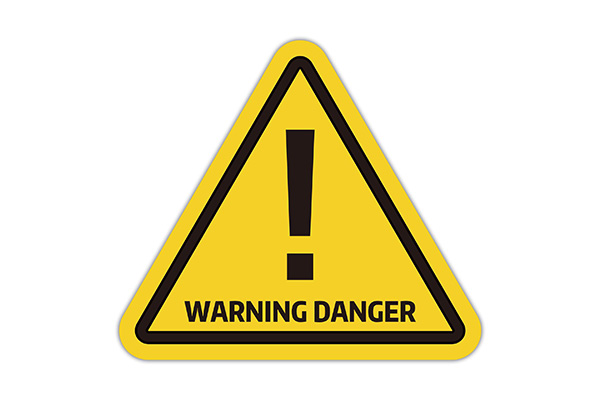
A triangle street sign is a traffic warning sign designed to alert drivers and pedestrians to potential hazards ahead. Unlike regulatory signs that dictate rules, triangle signs are primarily informative and cautionary, helping road users anticipate dangers before they occur.
These signs are typically equilateral or isosceles triangles with a red border and a white or yellow background, featuring a symbol or text that indicates the type of hazard. The pointed tip of the triangle usually faces upwards, which has become a universal symbol of caution.
The History of Triangle Street Signs
The concept of triangle warning signs dates back to the early 20th century when traffic regulations were being standardized in Europe. Countries like Germany, France, and the United Kingdom adopted the triangle shape to indicate caution.
Over time, the design evolved to include a red border and standardized symbols, making it universally recognizable. Today, triangle street signs are part of international traffic standards, meaning drivers can understand their warning regardless of the country they are in.
Common Types of Triangle Street Signs
Triangle street signs come in a variety of types, each designed to warn about specific road conditions or hazards. Some of the most common include:
1. Pedestrian Crossing Signs
These signs indicate areas where pedestrians frequently cross, such as school zones, residential neighborhoods, and city streets. Drivers are expected to slow down and be prepared to stop.
2. Sharp Turn or Curve Signs
A sharp turn ahead sign warns drivers about sudden bends in the road. This is especially important on rural roads or highways where high speeds increase the risk of accidents.
3. Animal Crossing Signs
These signs are found in rural or forested areas where animals like deer, cattle, or wild animals may cross the road. They are vital for preventing collisions with wildlife, which can be dangerous for both drivers and animals.
4. Roadworks or Construction Signs
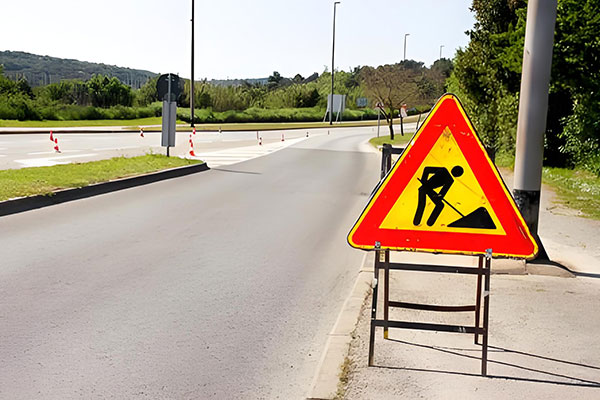
Construction zones are inherently hazardous. Triangle street signs alert drivers about roadworks, lane closures, or workers on the road, helping prevent accidents and ensuring the safety of construction personnel.
5. Slippery Road Signs
These signs warn about slippery or wet road conditions, usually due to rain, ice, or oil spills. Drivers are advised to reduce speed and maintain a safe distance from other vehicles.
6. Other Specialized Warnings
Depending on the country and road regulations, triangle signs may also warn about:
- Falling rocks or debris
- Traffic light signals ahead
- Merging traffic
- Narrow bridges or tunnels
Why Triangle Street Signs are Crucial for Road Safety
Triangle street signs are more than just symbols—they are life-saving tools. Here are some reasons why they are so important:
1. Accident Prevention
By warning drivers in advance about potential hazards, triangle street signs reduce the likelihood of accidents. For example, knowing about a sharp turn ahead allows a driver to slow down safely.
2. Traffic Guidance
These signs help maintain smooth traffic flow by informing drivers of changes in road conditions or upcoming obstacles. This is especially important in urban areas and high-traffic highways.
3. Universal Understanding
The triangular shape with a red border is recognized internationally, making it effective for tourists and international drivers. No matter where a driver is, the triangle sign communicates caution clearly.
4. Protection for Vulnerable Road Users
Triangle signs alert drivers to pedestrian crossings, school zones, and animal crossings, helping protect those who are more vulnerable on the road.
Placement and Visibility of Triangle Street Signs
For triangle street signs to fulfill their purpose, proper placement and visibility are essential:
- Distance from Hazard: Signs should be installed far enough in advance to give drivers adequate time to react. The distance may vary depending on the speed limit of the road.
- Height and Angle: Signs should be at eye level and angled toward the oncoming traffic for maximum visibility.
- Reflective Materials: Using reflective materials ensures that signs are visible during nighttime or poor weather conditions.
- Obstruction-Free: Signs should not be blocked by trees, buildings, or other objects that may reduce visibility.
Regular inspection and maintenance are crucial to ensure that signs remain visible and effective over time. Faded or damaged signs should be replaced immediately.
Triangle Street Sign Symbols and Their Meanings
Symbols on triangle street signs are designed to communicate information quickly. Some common symbols include:
| Symbol | Meaning |
|---|---|
| Person walking | Pedestrian crossing |
| Curved arrow | Sharp turn or bend |
| Deer | Animal crossing |
| Worker with shovel | Road construction or maintenance |
| Car with skid marks | Slippery road |
The simplicity of these symbols allows drivers to understand the warning instantly, even at high speeds.
Triangle Street Signs in Different Countries
While triangle signs are widely used worldwide, slight variations exist:
- Europe: Most countries follow the Vienna Convention on Road Signs, with red-bordered triangles and black symbols on white backgrounds.
- United States: Warning signs are usually yellow triangles instead of white, but the shape still conveys caution.
- Asia: Countries like Japan, China, and India use similar red-bordered triangle signs for warnings, maintaining international consistency.
Understanding these differences can help international travelers recognize triangle street signs and respond appropriately.
Maintenance and Safety Tips
Maintaining triangle street signs is critical for road safety:
- Regular Cleaning: Dirt and grime can reduce visibility. Clean signs periodically to ensure they remain clear.
- Inspection for Damage: Check for faded colors, bent posts, or broken signs and replace them promptly.
- Compliance with Regulations: Follow local traffic authority guidelines for installation, height, and distance from hazards.
FAQs
A triangle street sign warns drivers of potential hazards ahead, such as sharp turns, pedestrian crossings, or slippery roads.
Red is a universal color for warning and attention, making it ideal for alerting drivers to potential dangers.
The triangular shape is universally recognized, but colors and symbols may vary slightly depending on the country.
The distance depends on the speed limit and road type, but generally, signs are placed 50–150 meters before the hazard to give drivers enough reaction time.
Conclusion
Triangle street signs are essential tools for road safety, providing clear warnings about potential hazards and helping prevent accidents. From pedestrian crossings to slippery roads and sharp turns, these signs guide drivers to act responsibly and protect everyone on the road.