

Types of Traffic Cones: A Comprehensive Guide
Traffic cones are one of the most common yet essential tools for road safety and traffic control. Whether used for road maintenance, construction zones, or parking management, traffic cones help guide vehicles and pedestrians safely around temporary hazards. However, not all traffic cones are the same — they come in different types, sizes, and materials depending on their purpose and environment.
In this article, we’ll explore the main types of traffic cones, their materials, sizes, and specific uses, so you can choose the right one for your project or business.
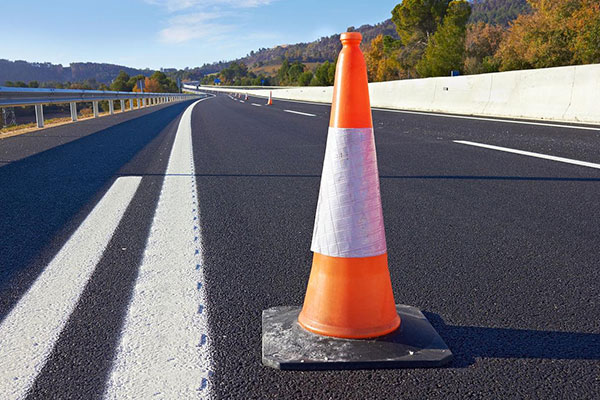
1. PVC Traffic Cones
PVC (Polyvinyl Chloride) traffic cones are among the most popular types used worldwide. They are flexible, durable, and resistant to impact — which means they return to their original shape even after being hit by a vehicle.
Key features:
- Made from soft, high-quality PVC material
- Highly reflective with optional reflective tape
- Weather-resistant and UV-stabilized
- Ideal for both indoor and outdoor use
Common applications:
- Road construction
- Lane closures
- Parking management
- School or event traffic control
2. Rubber Traffic Cones
Rubber traffic cones are heavier and more stable compared to PVC types. Their weight helps them stay in place even in windy conditions or when vehicles pass close by.
Key features:
- Made from recycled rubber
- Excellent grip and anti-slip base
- Long-lasting and weather-resistant
- Less likely to topple or blow away
Common applications:
- Highways and busy roads
- Long-term construction projects
- Industrial zones
3. PE Traffic Cones
PE (Polyethylene) traffic cones are lightweight yet sturdy, offering an excellent balance between cost and performance. They are made from high-quality virgin PE material, which provides good flexibility and durability.
Key features:
- Lightweight and easy to carry
- Resistant to UV rays, weather, and impact
- Smooth surface with bright, fade-resistant color
- Available with or without reflective collars
Applications:
- City streets and parking lots
- Residential areas and private roads
- Temporary traffic control and indoor use
4. Collapsible Traffic Cones
Collapsible traffic cones, also known as foldable cones, are designed for convenience and portability. They are made from flexible fabric with a reflective strip, and they can be folded flat for easy storage.
Key features:
- Compact and space-saving design
- Rapid deployment
Common applications:
- Emergency roadside assistance
- Personal or commercial vehicles
- Temporary events or short-term roadwork
5. Reflective Traffic Cones
All types of cones can include reflective collars, but some are specifically made to maximize visibility at night or in low-light conditions. These are often required for road use according to safety standards.
Key features:
- Equipped with Class 1 or Class 2 reflective sleeves
- Ensures visibility up to 300 meters at night
- Compliant with most traffic safety regulations
Common applications:
- Night construction projects
- Road repairs and lane divisions
- Tunnels and dimly lit areas
6. Colored Traffic Cones
While orange is the standard color for road safety, traffic cones also come in different colors to indicate specific purposes:
| Color | Common Use |
|---|---|
| Orange | Road construction and maintenance |
| Red | Fire zones or emergency areas |
| Yellow | Caution or no-parking zones |
| Green | Directional guidance or sports fields |
| Blue | Disabled parking or special areas |
| White | Indoor events, airports, or crowd control |
Using color-coded cones improves organization and safety, especially in large or complex environments.
7. Weighted Base Cones
Some cones come with weighted bases, usually made from rubber or recycled material. The extra weight increases stability in windy conditions or high-traffic areas.
Key features:
- Added base weight for better stability
- Suitable for heavy-duty applications
- Compatible with cone accessories like signs or lights
How to Choose the Right Traffic Cone
When selecting a traffic cone, consider the following factors:
- Height: Common sizes range from 18″, 28″, to 36″ (45cm, 70cm, 90cm). Taller cones are more visible on highways.
- Material: PVC for flexibility, rubber for durability, PE for lightweight needs.
- Reflectivity: Choose reflective collars for nighttime or low-visibility areas.
- Color: Follow your local regulations and intended use.
- Base design: A heavier base ensures better stability outdoors.
Conclusion
Traffic cones may look simple, but they play a crucial role in ensuring road and workplace safety. By understanding the types of traffic cones—from materials and colors to sizes and features—you can select the best cone for your specific environment and safety needs.
If you’re looking for high-quality traffic cones for highways, construction sites, or parking areas, contact us today. We supply durable, certified cones that meet international safety standards.