

Water Filled Barriers for Road Construction
In road construction and traffic management, safety and efficiency are paramount. One of the most practical solutions used worldwide is the water filled barrier. These barriers are increasingly preferred over traditional concrete or metal alternatives because of their versatility, portability, and cost-effectiveness.
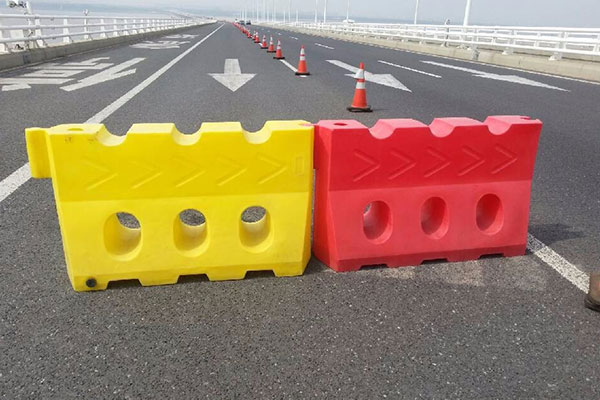
What Are Water Filled Barriers?
Water filled barriers are hollow, durable plastic barriers that can be filled with water or sand to provide stability. They are commonly used to separate construction zones from traffic, redirect vehicles, or protect pedestrians in urban areas. Unlike permanent barriers, they are lightweight when empty, making them easy to transport, install, and store.
Key Benefits of Water Filled Barriers in Road Construction
1. Enhanced Safety
Water filled barriers act as a protective buffer between vehicles and construction workers. Their design absorbs impact better than rigid concrete barriers, reducing the risk of severe damage during minor collisions. This makes them ideal for high-traffic urban areas and temporary construction sites.
2. Easy Installation and Mobility
One of the biggest advantages of water filled barriers is their mobility. When empty, they are lightweight and easy to move, reducing labor costs and installation time. After placement, filling them with water adds weight and stability, making them suitable for long-term or temporary projects.
3. Cost-Effectiveness
Compared to concrete barriers, water-filled barriers are significantly cheaper to produce and maintain. They require no heavy machinery for installation and can be reused across multiple projects. This makes them an economical solution for municipal and private road construction projects.
4. Adaptable and Customizable
Water filled barriers come in various sizes, shapes, and colors, allowing for customization based on project needs. They can also be connected end-to-end to form continuous protective walls, ideal for highway construction, event management, and emergency traffic control.
5. Environmentally Friendly
Because these barriers are made from recyclable plastics and can be reused multiple times, they have a smaller environmental footprint compared to concrete alternatives. After use, water can be drained and the barriers stored for future deployment, reducing waste.
Applications of Water Filled Barriers
- Road Construction Zones: Protecting workers and equipment from passing traffic.
- Highways and Expressways: Redirecting vehicles during maintenance or accidents.
- Urban Streets: Temporary traffic management during events or emergencies.
- Pedestrian Safety: Ensuring safe walkways near construction areas.
Installation Tips
- Site Preparation: Ensure the ground is level to prevent tipping.
- Barrier Placement: Connect the barriers securely to create a continuous line.
- Filling: Use water (or sand for extra weight) to stabilize the barriers.
- Inspection: Regularly check for leaks or shifts during long-term use.
Conclusion
Water filled barriers are a practical, cost-effective, and safe solution for road construction projects. Their portability, durability, and versatility make them ideal for temporary or long-term traffic management.
For reliable, high-quality water-filled barriers for your road construction projects, contact Roadsky, a trusted supplier of road safety equipment designed to meet global standards.