

How to Choose the Right Traffic Cone for Your Project?
Traffic cones are essential safety products used in road construction, parking management, warehouses, airports, schools, and public events. Choosing the right traffic cone improves visibility, enhances safety, and ensures compliance with local regulations. However, with different sizes, materials, and reflective options available, selecting the best cone for your application can be challenging.
In this guide, we will explain how to choose the right traffic cone based on your project requirements.
What is a Traffic Cone?
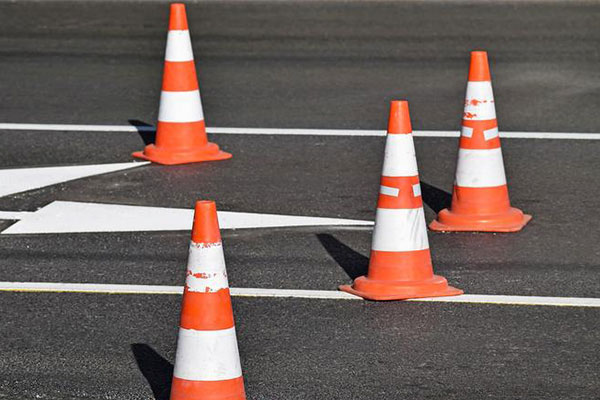
A traffic cone is a portable safety device designed to guide traffic, warn drivers, block restricted areas, and improve workplace safety. Traffic cones are commonly made from PVC, rubber, or PE materials and are usually available in bright orange colors with reflective collars for increased visibility.
Traffic cones are widely used in:
- Road construction zones
- Highway maintenance projects
- Parking lots
- Warehouses and factories
- Airports and ports
- Schools and public events
- Emergency response areas
Why Choosing the Right Traffic Cone Matters
Using the correct traffic cone helps:
- Improve road and workplace safety
- Increase visibility during day and night
- Meet traffic safety regulations
- Reduce accident risks
- Enhance traffic management efficiency
- Provide long-term durability and cost savings
Different environments require different types of cones. A lightweight cone suitable for indoor use may not perform well on highways with strong wind conditions.
Key Factors to Consider When Choosing Traffic Cones
1. Traffic Cone Height
Traffic cone height is one of the most important factors when selecting a cone.
12-Inch Traffic Cones
Small cones are ideal for:
- Indoor warehouses
- Sports training
- Schools
- Parking space marking
These cones are lightweight and easy to store but are less visible for road traffic applications.
18-Inch Traffic Cones
Medium-sized cones are commonly used for:
- Parking lots
- Low-speed roads
- Utility work
- Crowd control
They offer good portability and moderate visibility.
28-Inch Traffic Cones
This is the most common size for road construction and highway projects. They provide excellent visibility and stability, especially when equipped with reflective collars.
Recommended for:
- Highways
- Road construction zones
- Municipal projects
- Night work
2. Reflective vs Non-Reflective Traffic Cones
Reflective Traffic Cones
Reflective cones feature high-intensity reflective collars that improve nighttime visibility. They are ideal for:
- Highway projects
- Night construction
- Emergency situations
- Low-light environments
Reflective traffic cones are often required by transportation authorities for public road use.
Non-Reflective Traffic Cones
Non-reflective cones are suitable for daytime or indoor applications such as:
- Warehouses
- Factories
- Schools
- Event management
They are generally more affordable than reflective models.
3. Traffic Cone Material
PVC Traffic Cones
PVC traffic cones are flexible, durable, and resistant to cracking. They can recover their shape after impact, making them ideal for road safety applications.
Advantages:
- Excellent flexibility
- UV resistance
- Long service life
- Suitable for cold and hot weather
Rubber Base Traffic Cones
Traffic cones with heavy rubber bases provide greater stability in windy environments and high-traffic areas.
Advantages:
- Better wind resistance
- Improved durability
- Enhanced stability
PE Traffic Cones
PE traffic cones are lightweight and economical, often used for temporary or indoor applications.
Advantages:
- Cost-effective
- Lightweight
- Easy to transport
4. Consider the Traffic Speed
The speed of nearby traffic should influence your cone selection.
| Traffic Speed | Recommended Cone Size |
|---|---|
| Low-speed areas | 12″–18″ cones |
| Medium-speed roads | 18″–28″ cones |
| Highways and expressways | 28″ reflective cones |
Higher-speed roads require taller cones with better visibility and heavier bases.
5. Weather and Environmental Conditions
Outdoor traffic cones should withstand:
- UV exposure
- Rain and moisture
- High temperatures
- Cold climates
- Strong wind
UV-resistant PVC cones are recommended for long-term outdoor use because they maintain color brightness and flexibility over time.
Tips for Buying High-Quality Traffic Cones
When purchasing traffic cones, consider the following:
- Choose UV-resistant materials
- Check reflective collar quality
- Ensure strong base stability
- Verify compliance with local safety standards
- Select durable materials for long-term use
- Work with reliable traffic safety suppliers
Conclusion
Choosing the right traffic cone is essential for improving road safety, managing traffic efficiently, and ensuring compliance with safety requirements. Factors such as cone height, material, reflective visibility, and base stability all play an important role.
If you are looking for a reliable traffic cone supplier, Roadsky is your trusted partner for high-quality and durable traffic safety products. We provide a full range of traffic cones designed for road construction, parking control, warehouses, and highway safety applications. Contact us today for professional traffic cone solutions tailored to your needs.