

Street Light Color: Common Types and How to Choose
Street light color plays an important role in road safety, visibility, energy efficiency, and urban appearance. With the rapid adoption of LED street lights, cities, municipalities, and private developers now have more options than ever when selecting the ideal lighting color for highways, residential streets, parking areas, and public spaces.
Choosing the right street light color is not simply about appearance. The color temperature of a street light affects driver comfort, pedestrian safety, visibility, and even the overall atmosphere of an urban environment.
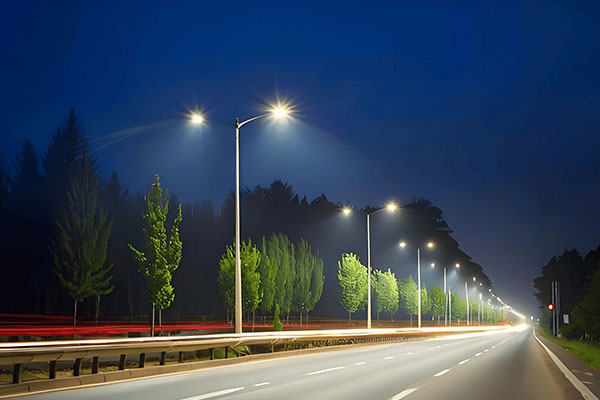
Street Light Color Explained
Street light color refers to the visible color appearance produced by a street lighting fixture. In LED lighting, this is usually measured by color temperature, expressed in Kelvin (K).
The most common LED street light color temperatures include:
- Warm white (2700K–3500K)
- Neutral white (3500K–4500K)
- Cool white (5000K–6500K)
A lower Kelvin value creates a warmer, yellowish light, while a higher Kelvin value produces a cooler, bluish-white light.
Common Types of Street Light Colors
1. Warm White Street Lights (2700K–3500K)
Warm white street lighting produces a soft yellow or golden appearance similar to traditional sodium lamps.
Advantages of warm white street lights:
- Creates a comfortable and welcoming environment
- Reduces glare for pedestrians and drivers
- Suitable for residential areas and historical districts
Common applications:
- Residential streets
- Parks and gardens
- Old town areas
- Pedestrian walkways
- Tourist areas
However, warm white lighting generally provides lower perceived brightness compared with cooler LED colors, making it less suitable for high-speed roads.
2. Neutral White Street Lights (3500K–4500K)
Neutral white is a balanced street light color between warm and cool tones.
It provides clear visibility without creating excessive glare.
Benefits of neutral white street lights:
- Comfortable for long-term viewing
- Good color recognition
- Suitable brightness for most urban roads
- Improves pedestrian and vehicle safety
Common applications:
- City roads
- Commercial streets
- Parking lots
- Public areas
- Residential communities
For many urban lighting projects, 4000K LED street lights are considered an ideal choice because they provide a natural and comfortable lighting effect.
3. Cool White Street Lights (5000K–6500K)
Cool white street lighting produces a bright white or slightly blue appearance.
It offers high visual clarity and is often used where strong illumination is required.
Advantages of cool white street lights:
- High perceived brightness
- Better visibility for road signs and markings
- Improves security in some areas
- Suitable for high-speed traffic environments
Common applications:
- Highways
- Industrial areas
- Airports
- Large parking areas
- Security lighting
The disadvantage is that higher color temperatures may cause more glare and can feel harsh in residential environments.
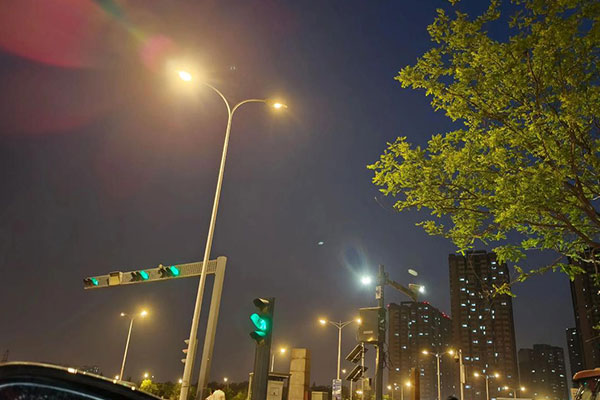
Why Does Street Light Color Matter?
1. Road Safety and Visibility
The right street light color improves visibility for drivers and pedestrians.
A suitable LED color temperature helps people recognize:
- Road signs
- Vehicles
- Pedestrians
- Obstacles
- Lane markings
For highways and major roads, a balanced white light often provides better visibility than traditional yellow lighting.
2. Driver Comfort and Glare Control
Different street light colors affect visual comfort.
Very cool white lighting with a high Kelvin rating may create stronger glare, especially on wet roads or during nighttime driving.
3. Energy Efficiency
The street light color itself does not directly determine energy consumption. However, LED technology combined with the right color temperature can improve lighting efficiency.
Modern LED street lights provide:
- Higher luminous efficiency
- Longer service life
- Lower maintenance costs
- Reduced electricity consumption
4. Urban Appearance
Street lighting color influences the appearance of cities.
For example:
- Warm white creates a cozy and historic feeling
- Neutral white creates a modern and clean appearance
- Cool white creates a high-tech and secure atmosphere
Many cities select street light colors according to their urban design goals.
Street Light Color Temperature Comparison
| Street Light Color | Color Temperature | Appearance | Best Applications |
|---|---|---|---|
| Warm White | 2700K–3500K | Yellowish, comfortable | Residential areas, parks |
| Neutral White | 3500K–4500K | Natural white | City roads, communities |
| Cool White | 5000K–6500K | Bright white/bluish | Highways, industrial areas |
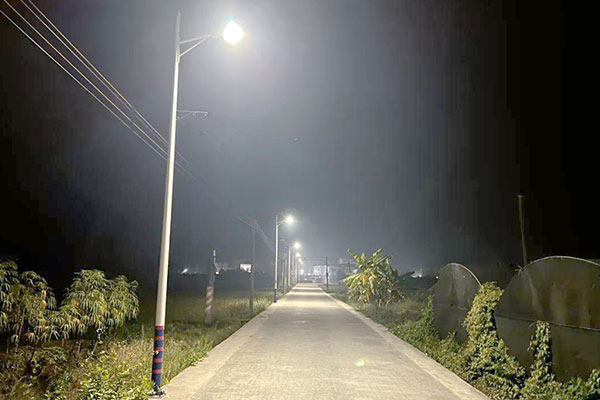
How to Choose the Right Street Light Color for Your Project
When selecting LED street light color, consider the following factors:
1. Road Type
High-speed roads require clearer visibility, while residential areas prioritize comfort.
2. Surrounding Environment
Historical areas may benefit from warm lighting, while modern commercial areas may use neutral white.
3. Safety Requirements
Roads with heavy traffic usually need better color rendering and visibility.
4. Local Lighting Standards
Different countries and municipalities may have specific requirements for street lighting color temperature.
Conclusion
Street light color is a key factor in modern road lighting design. From warm white for comfortable residential areas to cool white for highways and industrial zones, each color temperature has its own advantages.
By choosing the right LED street light color temperature, cities and businesses can create safer roads, improve nighttime visibility, and build more attractive public spaces.