

Water Filled Barriers vs. Concrete Barriers: Which is Better?
Road barriers are widely used to separate traffic, protect work zones, guide vehicles, and improve safety around construction areas. Two common options are water filled barriers and concrete barriers.
Although both are designed to control traffic and create physical separation, they differ significantly in weight, installation, impact performance, cost, and applications.
This guide compares water filled barriers vs. concrete barriers to help you choose the right option for your project.
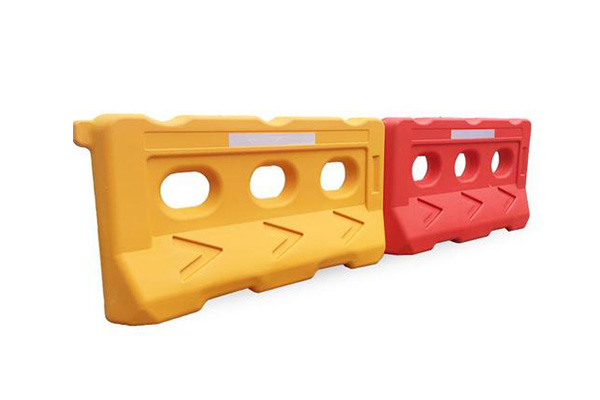
What Are Water Filled Barriers?
Water filled barriers are hollow plastic traffic barriers, usually made from durable polyethylene. They are lightweight when empty and can be filled with water after installation to provide additional stability.
They are commonly used for:
- Road construction zones
- Temporary traffic management
- Parking areas
- Pedestrian separation
- Events and public spaces
- Temporary lane closures
Because they are easy to transport and reposition, water filled barriers are especially suitable for projects where the traffic layout changes frequently.
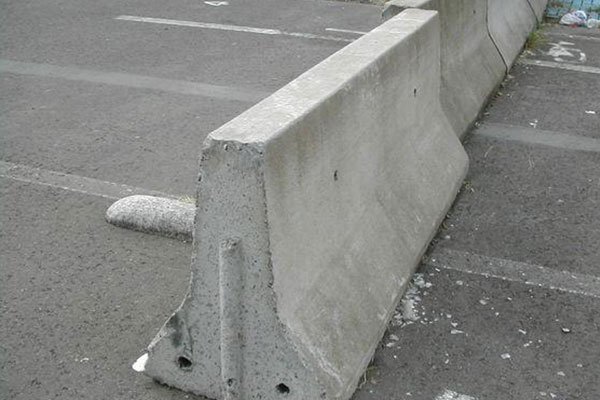
What Are Concrete Barriers?
Concrete barriers are heavy, rigid traffic barriers commonly used on highways and other locations where strong vehicle containment is required.
Typical applications include:
- Highway medians
- Bridge construction
- Long-term road projects
- High-speed traffic zones
- Permanent traffic separation
- Areas requiring strong vehicle protection
Concrete barriers are much heavier than plastic barriers and normally require lifting equipment for transportation and installation.
Water Filled Barriers vs. Concrete Barriers
| Feature | Water Filled Barriers | Concrete Barriers |
|---|---|---|
| Material | Polyethylene plastic | Reinforced or precast concrete |
| Weight | Lightweight when empty | Very heavy |
| Installation | Easy | Requires machinery |
| Relocation | Easy | Difficult |
| Traffic Control | Temporary projects | Temporary or permanent |
| Impact Resistance | Moderate | High |
| Transportation Cost | Lower | Higher |
| Storage | Convenient | Requires more space |
| Visibility | Available in bright colors | Usually gray |
| Typical Use | Work zones, events, parking areas | Highways, bridges, permanent separation |
Key Differences Between Water Filled and Concrete Barriers
1. Impact Protection
Concrete barriers provide stronger impact resistance and are better suited to highways and high-speed traffic areas. Water filled barriers are more appropriate for temporary traffic control and lower-risk applications.
2. Installation and Transportation
Water filled barriers are lightweight when empty, making them easier and cheaper to transport and install. Concrete barriers usually require trucks, cranes, or forklifts.
3. Flexibility
Water filled barriers can be moved and repositioned easily, making them ideal for changing work zones. Concrete barriers are better for long-term or fixed installations.
4. Cost
Water filled barriers generally have lower transportation and installation costs. Concrete barriers may cost more to handle but can be suitable for long-term projects.
5. Visibility
Water filled barriers are commonly available in bright colors and can include reflective tape. Concrete barriers often require additional markings or reflectors to improve visibility.
Which Barrier Should You Choose?
The right barrier depends primarily on the traffic environment and project requirements.
Choose water filled barriers when you need:
- Temporary traffic separation
- Easy transportation
- Frequent relocation
- Fast installation
- Lower transport costs
- Barriers for events, parking areas, or construction sites
Choose concrete barriers when you need:
- Strong vehicle containment
- High-speed traffic protection
- Long-term installation
- Highway median separation
- Heavy-duty protection
In some projects, both systems may be used. Concrete barriers can protect high-risk areas, while water filled barriers can manage temporary traffic routes and pedestrian zones.
Conclusion
So, which one should you choose? It really depends on your project. If you need something lightweight, easy to move, and suitable for temporary traffic control, water filled barriers are a practical choice. If you need stronger protection for highways or long-term use, concrete barriers are usually the better option.
Before choosing, consider the traffic speed, project duration, safety requirements, and installation conditions.