

Barricade Tape: Everything You Need to Know
Barricade tape is one of the simplest yet most effective safety products used to restrict access, warn people of hazards, and improve site safety. Whether on construction sites, road maintenance projects, utility work, emergency response scenes, or public events, barricade tape provides a highly visible visual barrier that helps prevent accidents and directs pedestrian and vehicle traffic.
Unlike physical barriers such as steel fences or plastic barricades, barricade tape is lightweight, affordable, and easy to install. It can be deployed within minutes, making it an essential safety product for temporary hazard control.
This guide explains everything you need to know about barricade tape, including its types, materials, colors, applications, and selection tips.
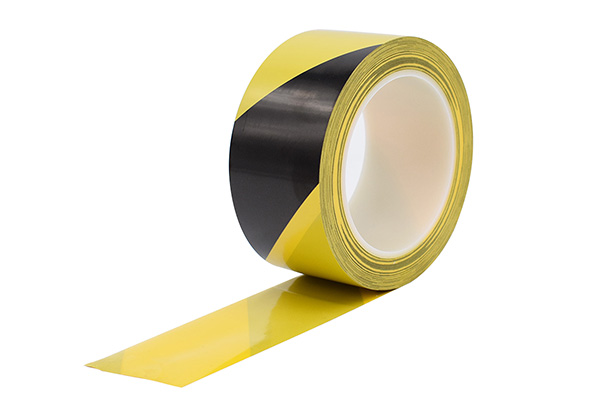
What is Barricade Tape?
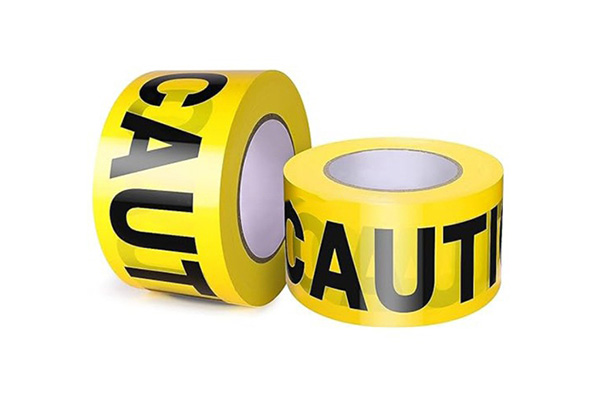
Barricade tape, also called warning tape, hazard tape, safety tape, or caution tape, is a brightly colored polyethylene plastic tape printed with warning messages such as:
- CAUTION
- DANGER
- DO NOT ENTER
- POLICE LINE DO NOT CROSS
- FIRE LINE DO NOT CROSS
- SHERIFF’S LINE
- UNDER CONSTRUCTION
- KEEP OUT
The tape is designed to create a visible warning perimeter around hazardous or restricted areas. Although it provides no physical stopping force, it serves as an effective psychological barrier by informing people not to enter dangerous zones.
Why Barricade Tape Is Important
Using barricade tape offers several important safety advantages:
1. Improves Workplace Safety
Highly visible colors immediately attract attention and help workers recognize hazardous areas.
2. Prevents Unauthorized Entry
Barricade tape clearly defines restricted zones, reducing the risk of accidents involving pedestrians or unauthorized personnel.
3. Fast Installation
Unlike permanent fencing, warning tape can be installed quickly using:
- Traffic cones
- Posts
- Stakes
- Trees
- Temporary fencing
- Safety barriers
4. Cost-Effective
Barricade tape provides an inexpensive solution for temporary safety control over large areas.
5. Portable
Lightweight rolls are easy to transport in work vehicles and emergency response kits.
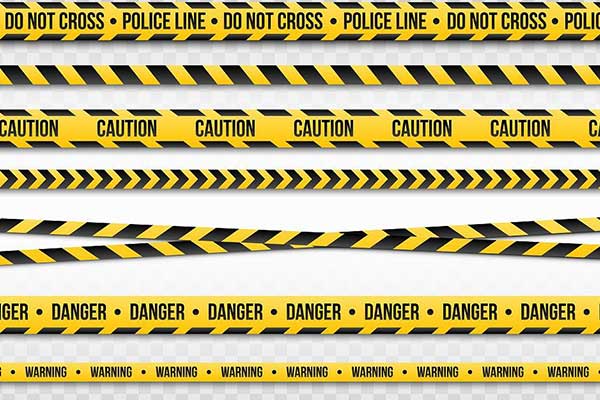
Common Types of Barricade Tape
1. Caution Tape
Yellow caution tape is the most common type used to identify general safety hazards.
Typical printed messages include:
- CAUTION
- CAUTION KEEP OUT
- CAUTION WORK AREA
Applications:
- Construction sites
- Maintenance work
- Cleaning operations
- Slip hazards
- Temporary restricted areas
2. Danger Tape
Danger tape indicates serious hazards that may cause severe injury or death.
Common text includes:
- DANGER
- DANGER DO NOT ENTER
- DANGER HIGH VOLTAGE
Common uses:
- Electrical hazards
- Demolition areas
- Confined spaces
- Chemical hazards
- High-risk construction zones
3. Police Barricade Tape
Typically yellow, blue, or white with bold lettering.
Examples:
- POLICE LINE DO NOT CROSS
- CRIME SCENE
- SHERIFF’S LINE
Applications:
- Crime scenes
- Accident investigations
- Emergency response
- Crowd control
4. Fire Line Tape
Used by fire departments to secure emergency scenes.
Common wording:
- FIRE LINE DO NOT CROSS
Applications:
- Fire investigations
- Rescue operations
- Hazardous material incidents
5. Underground Warning Tape
Installed below ground to warn future excavators about buried utilities.
Examples include:
- CAUTION BURIED ELECTRIC LINE
- GAS LINE BELOW
- FIBER OPTIC CABLE
- WATER PIPELINE
This tape is buried several inches above underground utilities.
Barricade Tape Colors and Their Meanings
| Color | Typical Meaning | Common Applications |
|---|---|---|
| Yellow | General caution | Construction, maintenance |
| Red | Danger | High-risk hazards |
| Orange | Temporary hazards | Roadwork, utilities |
| Black/Yellow | Physical hazards | Industrial facilities |
| Red/White | Restricted area | High-security zones |
| Blue/White | Police line | Law enforcement |
| Green/White | Safety information | Designated safe areas |
Color conventions may vary by country and workplace regulations, so always follow applicable local standards.
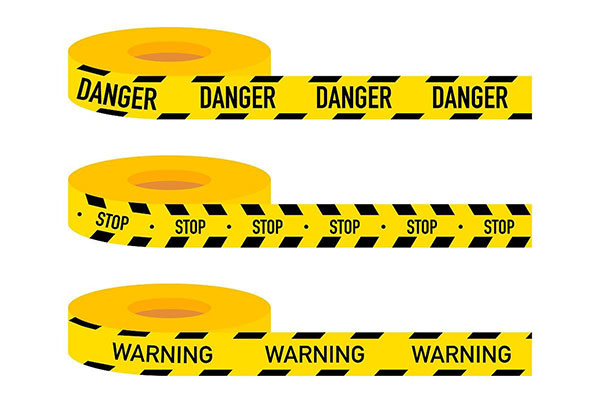
Materials Used in Barricade Tape
1. Polyethylene (PE)
The most popular material due to its:
- Waterproof properties
- UV resistance
- Low cost
- Flexibility
- Tear resistance
2. PVC
PVC barricade tape offers:
- Higher durability
- Better weather resistance
- Longer outdoor life
Common Sizes
Standard widths include:
- 2 inches (50 mm)
- 3 inches (75 mm)
- 4 inches (100 mm)
- 6 inches (150 mm)
Popular roll lengths include:
- 100 ft
- 200 ft
- 300 ft
- 500 ft
- 1000 ft
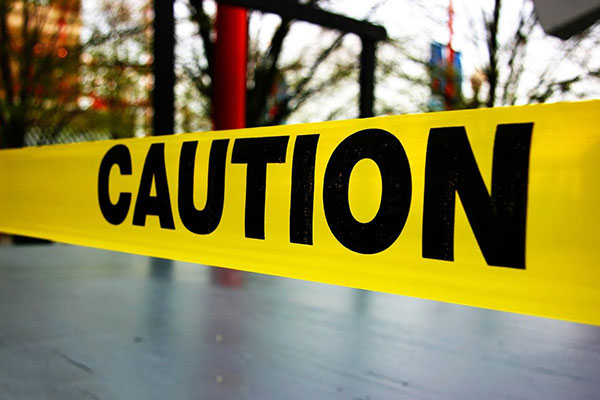
Major Applications
1. Construction Sites
Barricade tape helps isolate:
- Excavations
- Crane operations
- Falling object zones
- Concrete curing areas
- Demolition work
2. Road Construction
Road contractors use warning tape to:
- Close traffic lanes
- Mark work zones
- Protect maintenance crews
- Guide pedestrians
3. Utility Maintenance
Utility companies use barricade tape around:
- Cable repairs
- Water pipelines
- Gas pipelines
- Electrical maintenance
- Telecommunications projects
4. Emergency Response
Police, firefighters, and emergency personnel rely on barricade tape for:
- Accident scenes
- Fire investigations
- Hazardous material spills
- Rescue operations
5. Public Events
Event organizers use barricade tape to:
- Control crowds
- Mark restricted areas
- Direct pedestrian movement
- Reserve equipment zones
6. Warehouses and Factories
Industrial facilities use warning tape to identify:
- Unsafe machinery
- Maintenance zones
- Forklift routes
- Chemical storage
- Temporary hazards
Best Practices for Using Barricade Tape
For maximum effectiveness:
- Install tape at eye level whenever possible.
- Secure the tape tightly to prevent sagging.
- Replace torn or faded tape immediately.
- Use multiple lines of tape for high-risk areas.
- Combine barricade tape with traffic cones, warning signs, or temporary fencing when additional protection is needed.
Inspect installations regularly, especially after strong winds or severe weather.
Frequently Asked Questions
Underground warning tape is buried above utility lines and often includes detectable metal foil for future excavation safety, whereas surface barricade tape is used to mark visible hazardous areas.
Yes. Most barricade tape is made from polyethylene (PE), which is waterproof and suitable for outdoor use. High-quality tapes also offer UV resistance to minimize fading during prolonged exposure to sunlight.
Barricade tape is lightweight and may flutter or tear in strong winds if not properly secured. Using sturdy posts, traffic cones, or barriers and maintaining proper tension can improve stability.
Barricade tape is primarily designed for temporary use. While it can sometimes be reused if removed carefully and remains undamaged, replacing it is recommended to ensure maximum visibility and effectiveness.
Most polyethylene barricade tape has slight flexibility but is not designed to stretch significantly. Excessive tension may cause tearing.
Conclusion
Barricade tape is an essential safety product for temporarily marking hazardous or restricted areas across construction sites, road projects, industrial facilities, public events, and emergency response operations. Its high visibility, low cost, and ease of deployment make it one of the most practical solutions for improving safety and reducing unauthorized access.