

What Are Wheel Stoppers? Types, Uses, Benefits
Every day, millions of vehicles park in shopping centers, office buildings, residential communities, schools, hospitals, and industrial facilities. While parking may seem simple, improperly parked vehicles can damage buildings, sidewalks, landscaping, or even pose safety risks to pedestrians. To improve parking safety and ensure vehicles stop in the correct position, wheel stoppers have become a standard feature in modern parking lots.
What Are Wheel Stoppers?
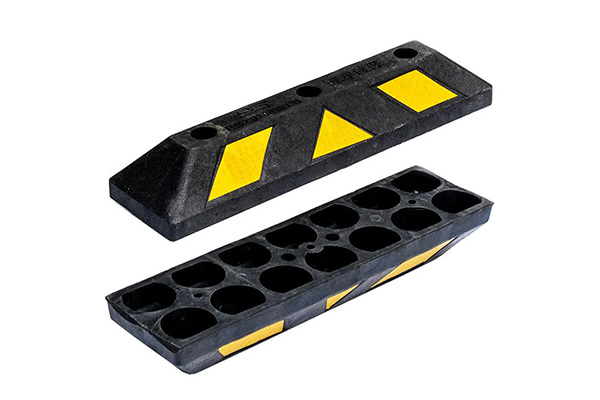
Wheel stoppers, also known as parking stops, wheel stops, parking blocks, or car stops, are safety devices installed at the front or rear of parking spaces to prevent vehicles from rolling beyond designated parking limits. They help drivers position their vehicles correctly while protecting buildings, sidewalks, pedestrians, landscaping, and other parked vehicles.
Widely used in commercial parking lots, shopping malls, residential communities, hospitals, schools, warehouses, and industrial facilities, wheel stoppers are an essential component of parking management systems.
How Do Wheel Stoppers Work?
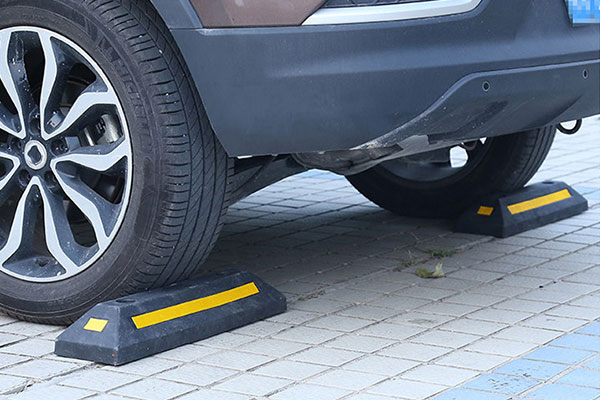
A wheel stopper acts as a physical barrier that contacts a vehicle’s tires before the vehicle travels too far.
Instead of allowing the front bumper to hit a wall or the rear of the vehicle to extend into pedestrian walkways, the stopper provides a controlled stopping point.
Properly installed wheel stoppers help:
- Prevent vehicle overtravel
- Reduce parking accidents
- Protect infrastructure
- Keep vehicles aligned within parking spaces
- Improve parking lot organization
Common Types of Wheel Stoppers
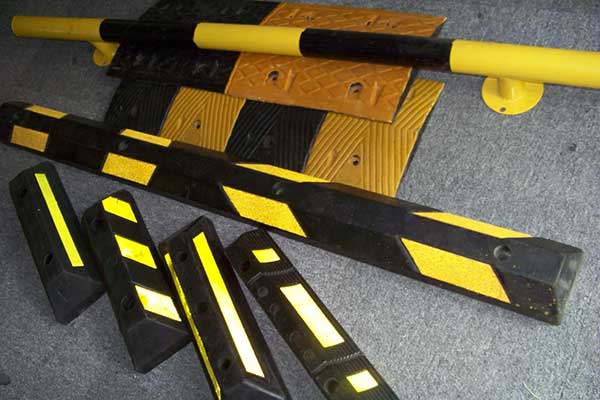
1. Rubber Wheel Stoppers
Rubber wheel stoppers are among the most popular choices because they are durable, lightweight, and easy to install.
Advantages:
- Excellent impact absorption
- Resistant to UV, moisture, and chemicals
- Easy transportation
- Suitable for asphalt and concrete
2. Concrete Wheel Stoppers
Concrete parking stops have been used for decades due to their strength.
Advantages:
- Extremely heavy
- Long service life
- Strong impact resistance
Disadvantages:
- Difficult to transport
- Can crack over time
- Higher installation costs
3. Plastic Wheel Stoppers
Plastic wheel stoppers are manufactured from high-density polyethylene (HDPE) or other engineering plastics.
Advantages:
- Lightweight
- Corrosion resistant
- Easy installation
- Weather resistant
4. Steel Wheel Stoppers
Steel wheel stops are designed for heavy-duty applications.
Advantages:
- Extremely strong
- Suitable for trucks
- High load capacity
Key Benefits of Wheel Stoppers
Improve Parking Safety
Wheel stoppers reduce the risk of vehicles hitting walls, fences, curbs, and pedestrians.
Protect Buildings
They help prevent costly damage to storefronts, electrical equipment, landscaping, and loading areas.
Organize Parking Spaces
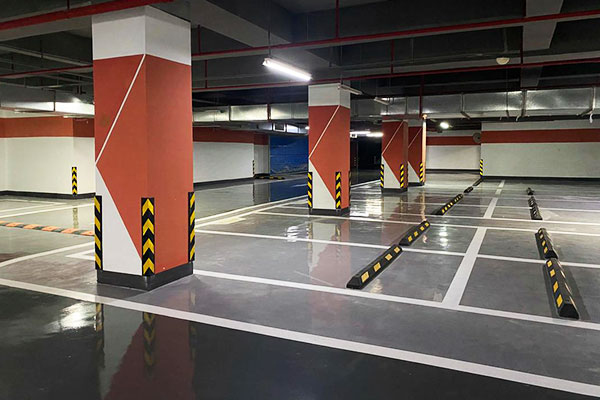
Clearly defined stopping points improve parking alignment and maximize available parking capacity.
Reduce Maintenance Costs
Preventing vehicle collisions lowers repair expenses for buildings and parking infrastructure.
Enhance Traffic Management
Wheel stoppers help maintain orderly parking patterns in busy parking facilities.
Where Are Wheel Stoppers Used?
Wheel stoppers are commonly installed in:
- Shopping malls
- Supermarkets
- Office buildings
- Apartment complexes
- Hotels
- Hospitals
- Schools
- Airports
- Warehouses
- Factories
- Logistics parks
- Gas stations
- Public parking lots
Standard Wheel Stop Dimensions
Dimensions vary by manufacturer and country, but common sizes include:
| Length | Width | Height |
|---|---|---|
| 500 mm | 150 mm | 100 mm |
| 900 mm | 150 mm | 100 mm |
| 1000 mm | 150 mm | 100 mm |
| 1800 mm | 150 mm | 100 mm |
| 1830 mm (6 ft) | 150 mm | 100 mm |
Many manufacturers also offer customized sizes.
Wheel Stop Colors
The most common colors include:
- Black
- Yellow
- Black & Yellow
- White
- Blue
- Customized colors
Bright reflective markings improve nighttime visibility.
How to Install Wheel Stoppers
Installation methods vary depending on the surface.
On Concrete
Typical steps include:
- Mark the installation location.
- Drill anchor holes.
- Position the wheel stopper.
- Install expansion anchors.
- Tighten all bolts securely.
On Asphalt
For asphalt surfaces:
- Mark the parking position.
- Drill pilot holes.
- Insert asphalt anchors or spikes.
- Secure the wheel stopper firmly.
Proper anchoring ensures long-term stability under repeated vehicle impact.
How to Choose the Right Wheel Stop
When selecting a wheel stopper, consider the following factors:
- Vehicle Type: Passenger cars require standard wheel stops, while trucks and buses may require heavy-duty models.
- Material: Choose rubber for flexibility, concrete for permanence, plastic for lightweight installations, or steel for industrial environments.
- Installation Surface: Verify whether the parking lot is concrete or asphalt before choosing anchors.
- Climate: For areas with heavy rain, snow, or extreme temperatures, UV-resistant rubber or HDPE products provide excellent weather resistance.
- Visibility: Wheel stops with reflective strips improve visibility at night and enhance parking safety.
Maintenance Tips
Although wheel stoppers require minimal maintenance, periodic inspections help maximize service life.
Recommended maintenance includes:
- Inspect anchor bolts regularly.
- Replace damaged reflective tape.
- Clean dirt and debris.
- Check for movement after vehicle impacts.
- Replace severely worn units.
Why Rubber Wheel Stoppers Are Becoming the Preferred Choice
Compared with traditional concrete parking stops, rubber wheel stoppers offer several advantages:
- Easier transportation
- Faster installation
- Better shock absorption
- Less damage to vehicles
- More environmentally friendly through recycled materials
- Lower maintenance costs
- Excellent resistance to weather and chemicals
These advantages make rubber wheel stoppers increasingly popular in commercial and municipal parking projects.
Frequently Asked Questions
A wheel stopper prevents vehicles from parking too far forward, protecting buildings, pedestrians, sidewalks, and landscaping while improving parking organization.
High-quality rubber wheel stoppers can last 10–20 years or longer, depending on traffic volume, climate, material quality, and maintenance.
Yes. Reflective strips improve visibility during nighttime or in low-light conditions, reducing the likelihood of accidental contact.
Yes. Rubber and plastic wheel stoppers are relatively easy to remove and reinstall, making them ideal for parking lot redesigns or temporary parking layouts. Concrete wheel stops are much more difficult to relocate due to their weight.
The ideal size depends on the parking space and vehicle type. Standard passenger vehicle parking lots commonly use wheel stoppers between 1,650 mm and 1,830 mm (5.5–6 ft) in length, while shorter or heavy-duty models are available for specialized applications.
Conclusion
Wheel stoppers are a simple yet highly effective solution for improving parking safety, protecting infrastructure, and organizing vehicle parking. Available in rubber, concrete, plastic, and steel, they can be selected to suit different traffic volumes, environmental conditions, and project budgets.