

Manhole Cover Buyer’s Guide & FAQs
Manhole covers play a critical role in modern infrastructure. Whether used in municipal drainage systems, utility networks, wastewater treatment plants, or private industrial facilities, selecting the right manhole cover ensures safety, durability, and long-term performance.
This comprehensive buyer’s guide walks you through the types, materials, load ratings, standards, installation considerations, and answers to the most common FAQs—helping you make an informed purchasing decision.

What is a Manhole Cover?
A manhole cover is a removable plate that provides access to underground utilities such as sewers, water lines, telecom ducts, or electrical systems. Its main functions include:
- Ensuring pedestrian and vehicle safety
- Protecting underground utilities from damage or theft
- Preventing unauthorized access
- Withstanding heavy mechanical loads
Types of Manhole Covers
1. By Shape
- Round Manhole Covers: Most common; won’t fall through the opening and easy to roll for installation.
- Square Manhole Covers: Suitable for sidewalks and non-traffic areas; easier to align with surrounding pavement.
- Rectangular Manhole Covers: Often used for telecommunications and electrical chambers.
2. By Structure
- Solid Top Manhole Covers: Fully closed to prevent odor escape and debris entry.
- Vented Manhole Covers: Allow airflow for sewer systems.
- Recessed / Paver-Fill Manhole Covers: Designed to be filled with paving materials for aesthetic integration.
- Locking Manhole Covers: Anti-theft and tamper-resistant.
3. By Application
- Municipal Water & Sewer Systems
- Telecommunication Networks
- Industrial Facilities
- Roads, Highways, and Airports
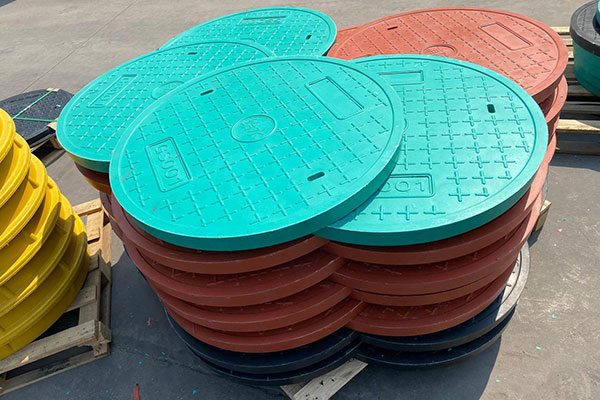
Manhole Cover Materials: Which One Should You Choose?
1. Ductile Iron Manhole Covers (Most Common)
- High strength and excellent load-bearing capacity
- Impact, corrosion, and wear resistant
- Suitable for heavy-load roads, highways, airports
2. Cast Iron Manhole Covers
- Traditional but heavier and less flexible than ductile iron
- Mainly for medium-load usage
3. Composite / FRP Manhole Covers
- Lightweight, corrosion-resistant, non-conductive
- Zero scrap value → theft-proof
- Ideal for telecom, chemical plants, coastal areas
4. Steel Manhole Covers
- Strong and cost-effective
- Used in industrial facilities and warehouses
5. HDPE / Plastic Manhole Covers
- Lightweight and economical
- Suitable for residential, parks, and non-traffic areas
Understanding Load Ratings (EN 124 Standard)
One of the most important factors when purchasing manhole covers is the load classification.
EN124 Load Classes:
| Class | Load Capacity | Application |
|---|---|---|
| A15 | 1.5 tons | Gardens, sidewalks, pedestrian-only areas |
| B125 | 12.5 tons | Light traffic, parking lots |
| C250 | 25 tons | Streets with normal traffic |
| D400 | 40 tons | Roads, highways, industrial areas |
| E600 | 60 tons | Heavy duty ports, docks, industrial plants |
| F900 | 90 tons | Airports, heavy transportation hubs |
Key Factors to Consider When Buying Manhole Covers
1. Load Requirements
Choose a cover according to your traffic conditions. Overloading leads to early damage.
2. Anti-Slip Surface
Look for checkered or patterned surfaces for pedestrian safety—especially in rainy areas.
3. Locking Mechanism
Security locks prevent unauthorized access or theft.
4. Frame Stability
The frame must match the cover size and be installed with proper bedding and mortar.
5. Corrosion Resistance
For areas exposed to chemicals, sewage, marine environments, or saltwater, choose ductile iron with anti-rust coating or composite FRP.
6. Customization Options
Manhole covers can include:
- Custom logos
- City symbols
- Water or drainage indicators
- Anti-theft bolts
- Hinged or lifting handles
7. Certifications & Standards
Ensure your supplier complies with:
- EN124
- AASHTO M306
- ISO standards
- Local municipal specifications
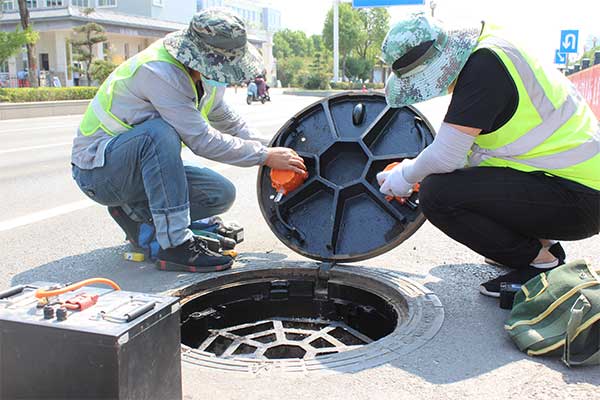
Installation Tips
- Prepare a firm concrete support base.
- Make sure the frame is level before pouring.
- Ensure correct alignment with the surrounding pavement.
- Avoid leaving gaps that may cause rattling noise.
- Use anti-theft locking mechanisms in public areas.
Maintenance Tips for Longer Service Life
- Clean debris around the frame regularly
- Lubricate hinges if applicable
- Check for rocking (indicates worn seating)
- Check corrosion in harsh environments
- Ensure proper sealing for odor control
FAQs
Ductile iron D400 or higher is recommended for heavy traffic areas.
A high-quality ductile iron cover can last 20–50 years, depending on traffic and corrosion conditions.
Cast iron and ductile iron can rust, but protective coatings (bitumen, epoxy) significantly reduce corrosion.
EN124 is widely used in Europe and Asia; AASHTO is used in North America. Both define load ratings and material requirements.
Ductile iron is stronger, more flexible, and more durable. Cast iron is brittle and outdated for heavy-traffic environments.
Conclusion
Choosing the right manhole cover is crucial for safety, durability, and long-term cost savings. By understanding materials, load ratings, standards, and installation requirements, you can select a product that meets both engineering needs and budget.
Ready to Choose the Right Manhole Cover for Your Project?
If you’re looking for high-quality ductile iron, composite, or custom manhole covers, our team is here to help. We provide professional recommendations, competitive factory prices, load-rating guidance, and fast global shipping to support your project from start to finish.
Contact us today for a free quote or technical consultation!