

What is a Corner Guard? Types, Uses, and Benefits
Corners are some of the most vulnerable parts of a wall or structure. In busy environments such as warehouses, hospitals, schools, factories, and commercial buildings, frequent contact with carts, equipment, furniture, and vehicles can cause cracks, scratches, dents, and other damage. Corner guards provide a simple and effective way to protect these exposed areas while reducing maintenance requirements.
In this guide, we will explain what a corner guard is, the different types of corner guards, where they are used, their benefits, and how to choose the right corner guard for your application.
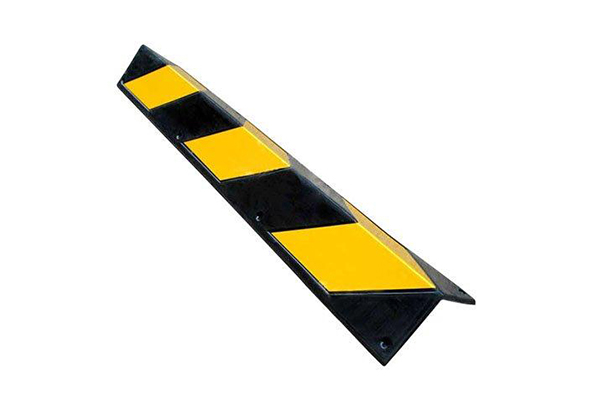
What is a Corner Guard?
A corner guard is a protective device designed to cover and protect the corners of walls, columns, furniture, packaging, and other structures from impact, abrasion, and damage. Corner guards are widely used in construction, commercial buildings, warehouses, hospitals, schools, factories, and residential properties.
Depending on the application, corner guards can be made from materials such as PVC, stainless steel, aluminum, rubber, plastic, or foam. They are available in different shapes, sizes, thicknesses, and installation methods to meet different protection requirements.
What Does a Corner Guard Do?
The main purpose of a corner guard is to protect vulnerable corners from physical damage.
Building corners are particularly susceptible to impacts from people, carts, equipment, furniture, and vehicles. Without protection, repeated impacts can cause chipped paint, cracked plaster, damaged drywall, or exposed structural materials.
A corner guard can:
- Protect wall corners from impact and abrasion
- Reduce maintenance and repair costs
- Extend the service life of walls and structures
- Improve safety in high-traffic areas
- Maintain a clean and professional appearance
- Protect products and packages during transportation and storage
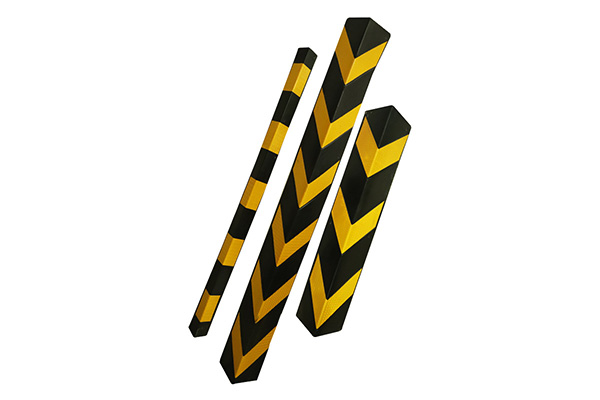
Common Types of Corner Guards
Corner guards are available in several designs and materials. The best option depends on the environment, level of impact, and installation requirements.
1. PVC Corner Guards
PVC corner guards are lightweight, economical, and resistant to moisture and corrosion. They are commonly used in offices, schools, hospitals, warehouses, and residential buildings.
PVC is particularly suitable for indoor applications where moderate impact protection is required.
2. Stainless Steel Corner Guards
Stainless steel corner guards provide excellent durability and impact resistance. They are suitable for demanding environments where hygiene, strength, and corrosion resistance are important.
Common applications include hospitals, commercial kitchens, food-processing facilities, warehouses, and industrial buildings.
3. Aluminum Corner Guards
Aluminum corner guards offer a combination of lightweight construction, corrosion resistance, and durability. They are often used in commercial and industrial buildings.
Their relatively low weight also makes aluminum easier to handle and install compared with some heavier metal alternatives.
4. Rubber Corner Guards
Rubber corner guards provide impact absorption and are particularly useful where corners may be struck by carts, vehicles, machinery, or other equipment.
They are commonly found in parking garages, warehouses, loading areas, factories, and industrial facilities.
5. Plastic Corner Guards
Plastic corner guards are another lightweight option. They are available in different colors and designs and can be used for both protection and visual warning.
6. Foam Corner Guards
Foam corner guards are designed primarily for cushioning and preventing injuries or damage caused by accidental contact with hard edges.
They are frequently used in childcare facilities, sports facilities, workshops, warehouses, and other areas where people may come into contact with exposed corners.
7. Heavy-Duty Corner Guards
Heavy-duty corner guards are designed for environments exposed to frequent or high-energy impacts. They may be manufactured from thick rubber, reinforced plastic, steel, or other impact-resistant materials.
These products are commonly used around loading docks, industrial facilities, warehouses, parking structures, and manufacturing plants.
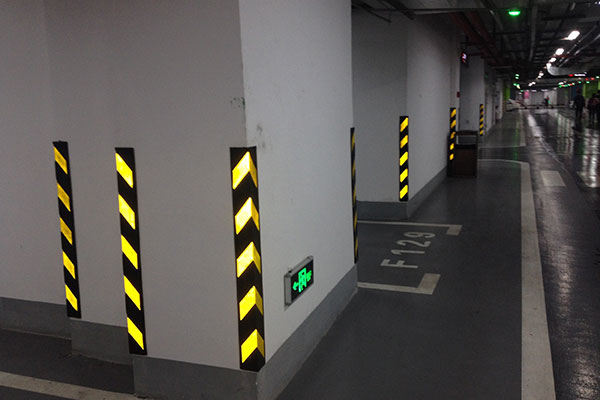
Where Are Corner Guards Used?
Corner guards have applications in nearly every environment where corners receive frequent contact.
Common locations include:
- Office corridors and entryways
- Hospitals and medical facilities
- Schools and universities
- Hotels and apartment buildings
- Retail stores and shopping centers
- Warehouses and distribution centers
- Parking garages
- Restaurants and commercial kitchens
- Homes with children or elderly residents
- Shipping and logistics operations
What Are the Benefits of Corner Guards?
1. Impact Protection
The primary benefit of a corner guard is protecting corners against impacts. This can significantly reduce surface damage in areas exposed to frequent traffic or equipment movement.
2. Lower Maintenance Costs
Damaged wall corners often require repainting, plaster repair, drywall replacement, or other maintenance work. Installing corner protection can reduce the frequency of these repairs.
3. Improved Safety
Some corner guards cover sharp or hard edges, helping reduce the potential for injuries caused by accidental contact.
4. Better Appearance
Corner guards can provide a finished and professional appearance while helping keep walls and structural surfaces in good condition.
5. Long-Term Durability
A properly selected corner guard can provide long-term protection, particularly when its material and design are matched to the operating environment.
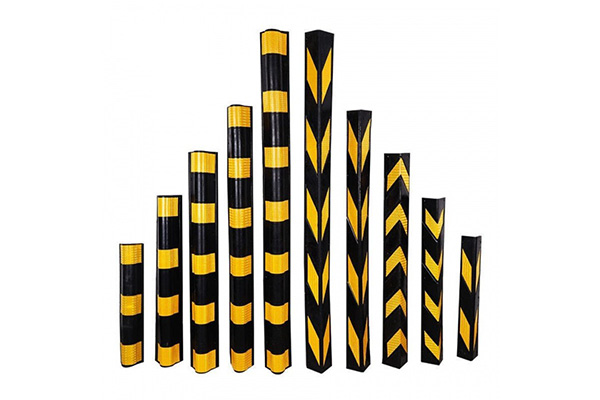
How to Choose the Right Corner Guard
Several factors should be considered before selecting a corner guard.
- Application: Determine whether the corner guard will be used indoors, outdoors, in a warehouse, healthcare facility, factory, or another environment.
- Material: Choose a material based on impact resistance, corrosion resistance, hygiene requirements, appearance, and expected service life.
- Corner dimensions: Measure the corner and select a guard with the appropriate width, height, and coverage.
- Installation method: Corner guards can be installed using adhesive, screws, bolts, or other fastening systems. Choose a method compatible with the wall surface and application.
- Appearance: For commercial and architectural projects, color, finish, and overall design may be important considerations.
Frequently Asked Questions
A corner guard protects a corner, usually where two surfaces meet. An edge protector may cover a longer straight edge, such as the edge of a table, wall, or package. Some products are designed to protect both corners and edges.
No. Corner guards can protect walls, furniture, vehicles, machinery, packaged goods, and people. Their design and material vary based on the intended use.
Yes. Soft foam or silicone corner guards are useful childproofing products for tables, countertops, desks, and other furniture with sharp corners.
Yes, provided they are made from weather-resistant materials such as rubber, treated PVC, aluminum, or stainless steel. Outdoor guards should also be resistant to UV exposure and moisture.
Final Thoughts
Now that you understand what a corner guard is, you can see why it is an important solution for protecting vulnerable corners from impact, abrasion, and everyday wear. From commercial buildings and warehouses to hospitals, schools, and industrial facilities, the right corner guard can help reduce damage, improve safety, and lower long-term maintenance costs.