

No Passing Zone Sign: Meaning, Rules & Road Safety Guide
A no passing zone sign is one of the most important traffic control signs used on roads and highways. It plays a critical role in preventing accidents by clearly indicating where overtaking other vehicles is prohibited. Understanding this sign is essential for all drivers to ensure safe and legal driving behavior.
What is a No Passing Zone Sign?
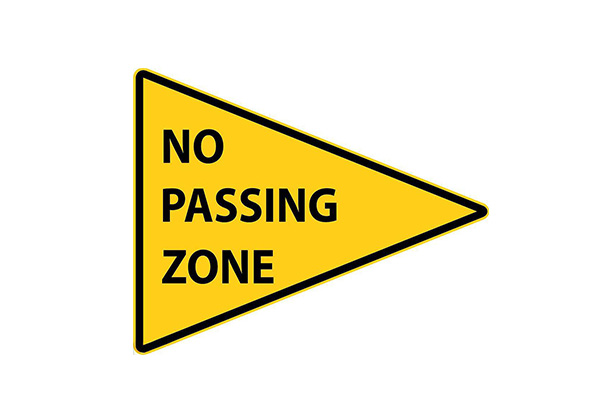
A no passing zone sign is a regulatory road sign that indicates a section of road where drivers are not allowed to overtake or pass other vehicles traveling in the same direction.
It is typically used in areas where passing would be dangerous due to:
- Limited visibility
- Sharp curves
- Hills or steep grades
- Intersections
- Narrow roadways
In most countries, this restriction is legally enforced, and violating it can result in fines, penalties, or even accidents.
How to Identify a No Passing Zone
The no passing zone is usually indicated in two ways:
1. Road Signs
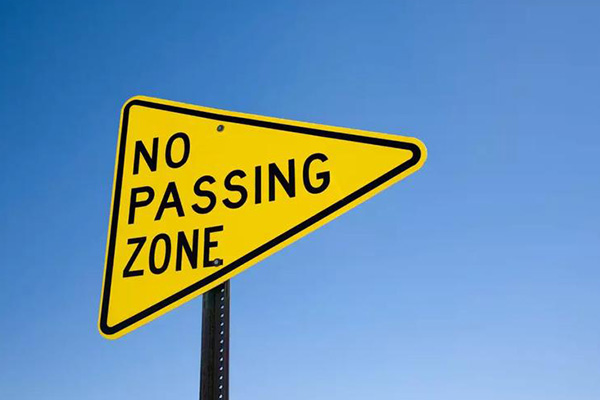
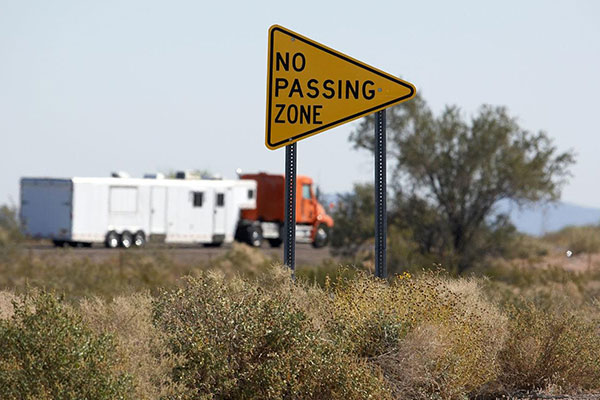
A yellow pennant-shaped sign is commonly used. It often includes text such as:
“NO PASSING ZONE”
This sign is typically placed on the left side of the road, facing oncoming traffic, which makes it unique compared to most roadside signs.
2. Pavement Markings
In addition to signs, road markings are a key indicator:
- A solid yellow line on your side of the centerline means passing is prohibited.
- A combination of solid and dashed yellow lines indicates that passing is allowed only from one direction.
Materials Used in No Passing Zone Signs
Modern no passing zone signs are manufactured using durable materials to withstand outdoor environments.
Common materials include:
- Aluminum traffic sign panels
- High-intensity reflective sheeting
- Engineer-grade reflective film
- Diamond-grade reflective sheeting
- Galvanized steel mounting brackets
Reflective materials ensure excellent visibility during nighttime driving and adverse weather conditions.
Where No Passing Zones Are Commonly Found
No passing zones are strategically placed in areas where visibility or road conditions are unsafe for overtaking. Common locations include:
- Curves and bends in the road
- Hill crests where oncoming traffic is hidden
- School zones and pedestrian-heavy areas
- Bridges and tunnels
- Construction zones
- Narrow rural roads
These zones are designed based on traffic engineering studies to reduce collision risks.
Rules and Driver Responsibilities
When you see a no passing zone sign or solid yellow line, you must follow these rules:
- Do not overtake vehicles ahead of you
- Maintain your lane position
- Reduce speed if necessary
- Stay alert for merging traffic or road changes ahead
Ignoring these rules can lead to dangerous head-on collisions, especially on two-lane roads.
Why No Passing Zones Are Important
The main purpose of a no passing zone is road safety. These zones help prevent:
- Head-on collisions
- Side-swipe accidents
- Crashes in low-visibility areas
- Dangerous overtaking maneuvers
They also help maintain smooth traffic flow in areas where passing would actually slow down or disrupt movement.
Common Misunderstandings
Many drivers misunderstand no passing zones, especially when:
- They assume short overtakes are safe (they are not)
- They ignore faded road markings
- They rely only on traffic flow instead of signage
- They misjudge distance and visibility
Even if the road appears clear, the restriction still applies.
Penalties for Violating a No Passing Zone
Penalties vary by region, but commonly include:
- Traffic fines
- Points on driving license
- Increased insurance premiums
- Liability in case of accidents
In severe cases, reckless passing can lead to license suspension.
Tips for Driving in No Passing Zones
To stay safe and compliant:
- Always obey both signs and road markings
- Plan overtaking only in designated passing areas
- Keep a safe following distance
- Avoid aggressive driving behavior
- Stay patient in slow-moving traffic
FAQs
It indicates that drivers are entering a section of roadway where passing other vehicles is prohibited due to safety concerns.
The sign is a yellow pennant-shaped traffic sign positioned on the left side of the roadway.
Generally, no. Drivers should not cross the centerline to overtake another vehicle in a designated no-passing area.
It is usually installed before or within road segments where limited visibility or hazardous conditions make passing unsafe.
No. If a no passing zone is designated and properly marked, drivers must obey the restriction regardless of current traffic conditions.
Conclusion
The no passing zone sign is a vital part of road safety infrastructure. It helps prevent dangerous overtaking in areas where visibility and road conditions make passing unsafe. By understanding and respecting this sign, drivers can significantly reduce the risk of serious accidents and contribute to safer roads for everyone.