

Wrong Way Sign: Meaning, Design, and Importance
A wrong way sign is one of the most critical traffic control devices used to prevent severe head-on collisions on roads and highways. Although simple in design, it plays a vital role in guiding drivers and ensuring safe traffic flow, especially in one-way systems, highway ramps, and restricted entry points.
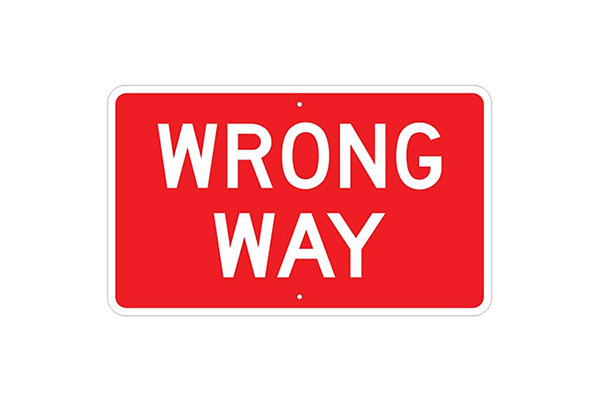
What is a Wrong Way Sign?
A wrong way sign is a regulatory traffic sign that warns drivers they are traveling in the opposite direction of intended traffic flow. It is typically installed at:
- Highway exit ramps
- One-way street entrances
- Toll plaza wrong exits
- Divided highway medians
- Restricted access roads
When drivers see this sign, they must immediately stop and correct their direction to avoid dangerous head-on traffic conflicts.
Visual Appearance of a Wrong Way Sign
Most wrong way signs follow a standardized design:
- Color: Red background with white text
- Text: “WRONG WAY” in bold capital letters
- Shape: Rectangular
- Reflective material: High-intensity reflective sheeting for night visibility
- Mounting position: Often paired with “Do Not Enter” signs
The red color is intentionally used because it universally signals danger and immediate attention.
Difference Between “Wrong Way” and “Do Not Enter” Signs
Although often used together, these two signs serve slightly different purposes:
Do Not Enter Sign
- Prevents vehicles from entering a one-way road or ramp
- Usually placed at the entrance point
- Shows a white horizontal bar inside a red circle
Wrong Way Sign
- Confirms the driver is already traveling in the wrong direction
- Positioned after a driver has entered incorrectly
- Serves as a final warning before potential collision risk
Together, they form a layered safety system.
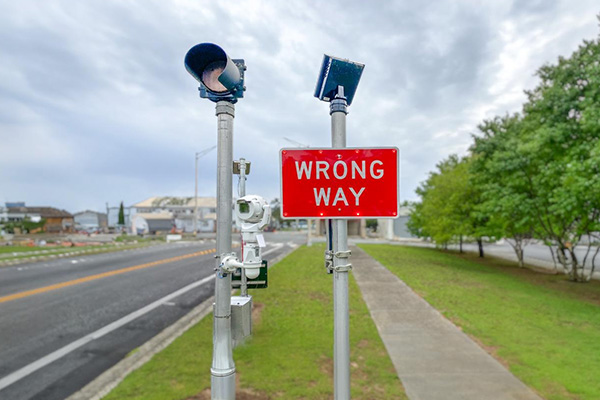
Where Wrong Way Signs Are Commonly Installed
Wrong way signs are strategically placed in high-risk locations such as:
- Highway Exit Ramps: Drivers sometimes mistakenly enter exit ramps. Wrong way signs prevent head-on entry onto fast-moving traffic lanes.
- One-Way Streets: Urban areas rely heavily on one-way systems. Incorrect entry can lead to severe accidents.
- Toll Plazas: Confusing layouts at toll gates may lead drivers into reverse-direction lanes.
Why Wrong Way Signs Are Important for Road Safety
According to road safety studies referenced by agencies such as the Federal Highway Administration, wrong-way driving crashes are among the most severe traffic accidents due to their high likelihood of head-on collisions.
Key safety benefits include:
- Preventing high-speed head-on crashes
- Reducing fatalities and severe injuries
- Improving driver navigation clarity
- Supporting traffic enforcement systems
- Enhancing highway design safety compliance
Modern transportation systems rely heavily on these signs as a last line of defense against driver error.
Design Standards and Regulations
Wrong way signs are typically governed by national traffic control standards such as:
- Size and visibility requirements
- Retroreflective material specifications
- Placement height and distance rules
- Supplementary lighting requirements in some regions
In the United States, these standards are outlined in official traffic control manuals maintained by transportation authorities, ensuring consistency across states.
Importance in Traffic Infrastructure
Wrong way signs are a small but essential part of a much larger traffic safety ecosystem. They work alongside:
- Speed limit signs
- Do Not Enter signs
- Lane guidance markings
- Traffic signals
- Barriers and road dividers
Without proper wrong way signage, the risk of severe accidents increases significantly, especially on high-speed roads.
Conclusion
The wrong way sign is a small but extremely important part of road safety infrastructure. By clearly warning drivers and preventing dangerous entries onto one-way roads or highway ramps, it plays a major role in reducing severe traffic accidents.