

Rubber Wall Guard: Everything You Need to Know
In busy environments such as parking garages, warehouses, factories, hospitals, and commercial buildings, walls are often exposed to accidental impacts from vehicles, carts, and heavy equipment. A rubber wall guard is a practical safety solution designed to absorb impact, reduce damage, and extend the service life of both walls and vehicles.
Made from high-quality rubber materials, rubber wall guards provide excellent shock absorption and protection while improving safety in high-traffic areas.
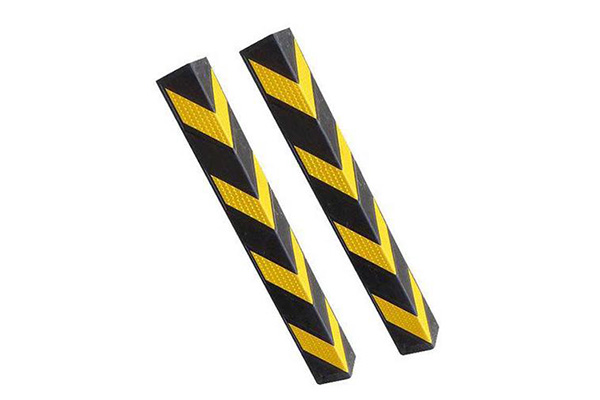
What is a Rubber Wall Guard?
A rubber wall guard is a protective barrier installed on walls, columns, corners, and other vulnerable surfaces to prevent damage caused by collisions. It is commonly manufactured from durable rubber compounds such as recycled rubber, natural rubber, or EPDM rubber.
Unlike rigid wall protection systems, rubber wall guards are flexible and can absorb impact energy when vehicles or equipment hit the wall. This helps minimize cracks, scratches, dents, and costly repair work.
Rubber wall guards are typically installed using bolts, screws, adhesive, or mounting brackets, depending on the application and required protection level.
Benefits of Using Rubber Wall Guards
1. Excellent Impact Absorption
The main advantage of rubber wall guards is their ability to absorb and distribute impact forces. When a vehicle accidentally contacts a wall, the rubber material compresses to reduce collision energy, protecting both the wall structure and the vehicle.
This makes rubber wall guards ideal for areas with frequent vehicle movement, such as parking lots, loading docks, and industrial facilities.
2. Protects Walls from Damage
Walls in commercial and industrial environments can suffer from repeated impacts caused by:
- Forklifts
- Trucks
- Shopping carts
- Pallet trucks
- Parking vehicles
- Heavy machinery
Installing rubber wall protection helps prevent:
- Concrete cracking
- Paint damage
- Surface abrasion
- Structural deterioration
This reduces maintenance costs and keeps facilities looking clean and professional.
3. Reduces Vehicle Damage
Rubber wall guards not only protect buildings but also reduce damage to vehicles. Their soft surface prevents direct contact between vehicles and hard concrete or metal surfaces.
They can help protect:
- Car bumpers
- Vehicle doors
- Mirrors
4. Long Service Life and Durability
High-quality rubber wall guards are designed to withstand harsh conditions, including:
- Heavy impacts
- Temperature changes
- Moisture
- Dust
- Chemical exposure
Products made from EPDM or reinforced rubber materials offer excellent weather resistance and can maintain performance for many years.
5. Easy Installation and Maintenance
Rubber wall guards are simple to install and require minimal maintenance. Most models can be mounted quickly using standard fixing methods.
Regular cleaning with water and mild detergent is usually enough to maintain their appearance and performance.
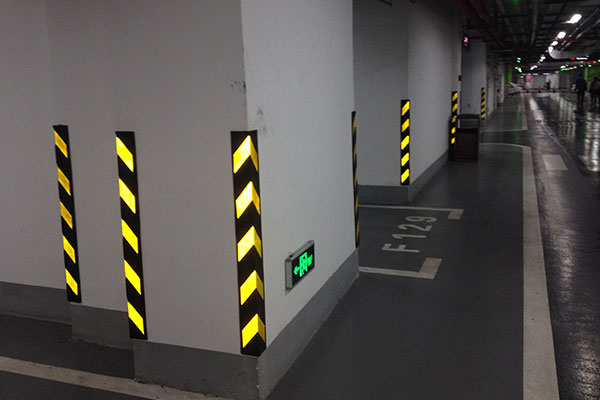
Common Applications of Rubber Wall Guards
Parking Garages
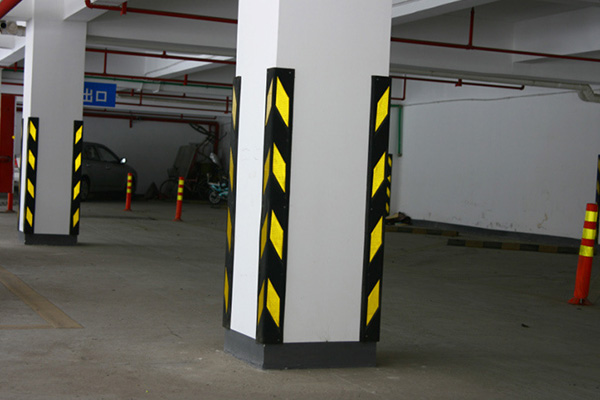
Parking areas are one of the most common applications for rubber wall guards. They protect walls, columns, and corners from accidental vehicle impacts while helping drivers park safely.
Typical locations include:
- Parking pillars
- Garage walls
- Vehicle turning areas
- Entrance and exit lanes
Warehouses and Factories
In industrial facilities, forklifts and material handling equipment frequently operate near walls and structures. Rubber wall guards provide reliable protection against accidental collisions.
They are commonly installed in:
- Warehouse aisles
- Loading zones
- Production areas
- Storage facilities
Hospitals and Healthcare Facilities
Hospitals require clean and safe environments. Rubber wall guards help protect walls from damage caused by:
- Medical carts
- Wheelchairs
- Beds
- Service equipment
Commercial Buildings
Shopping malls, hotels, office buildings, and public facilities use rubber wall guards to protect high-traffic areas while maintaining an attractive appearance.
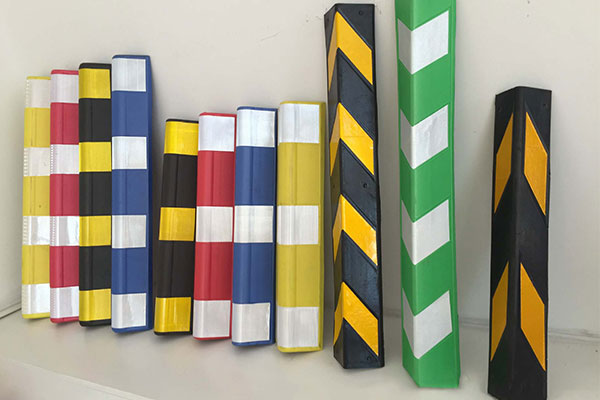
Types of Rubber Wall Guards
1. D-Shaped Rubber Wall Guard
D-shaped rubber wall guards are among the most popular designs. Their curved surface provides excellent impact absorption and reduces direct contact pressure.
Advantages:
- Strong impact resistance
- Easy installation
- Suitable for vehicles and forklifts
- Long service life
2. Flat Rubber Wall Guard
Flat rubber guards provide a larger protection area and are often installed on wide wall surfaces.
Suitable for:
- Parking walls
- Loading docks
- Corridors
- Industrial areas
3. Heavy-Duty Rubber Wall Protection System
For industrial environments with frequent heavy impacts, heavy-duty rubber systems offer thicker profiles and stronger impact resistance.
They are commonly used in:
- Factories
- Ports
- Warehouses
- Logistics centers
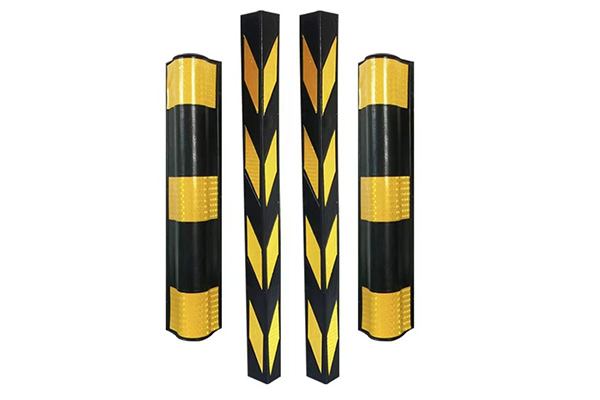
Rubber Wall Guard Materials
1. EPDM Rubber
EPDM rubber is widely used because of its:
- Excellent weather resistance
- UV resistance
- Temperature stability
- Long lifespan
It is suitable for both indoor and outdoor applications.
2. Recycled Rubber
Recycled rubber wall guards are an economical and environmentally friendly option. They provide good impact resistance and are commonly used in parking and industrial applications.
3. Natural Rubber
Natural rubber offers excellent elasticity and impact absorption. It is suitable for applications requiring high flexibility and shock resistance.
Rubber Wall Guard vs Plastic Wall Guard
| Feature | Rubber Wall Guard | Plastic Wall Guard |
|---|---|---|
| Impact absorption | Excellent | Moderate |
| Durability | High | Medium |
| Flexibility | High | Low |
| Outdoor performance | Good | Depends on material |
| Vehicle protection | Better | Moderate |
| Cost | Slightly higher | Lower |
Rubber wall guards are generally preferred for environments where impact protection and long-term durability are important.
How to Choose the Right Rubber Wall Guard
When selecting a rubber wall guard, consider the following factors:
1. Impact Level
Determine the type of impact expected in the installation area.
- Light traffic: Standard rubber strips
- Medium traffic: Reinforced rubber guards
- Heavy traffic: Heavy-duty impact protection systems
2. Installation Location
Consider whether the product will be installed:
- Indoors
- Outdoors
- In wet environments
- In industrial areas
Outdoor applications usually require UV-resistant and weatherproof materials.
3. Size and Thickness
The thickness and profile size affect impact protection performance.
Larger vehicles and heavier equipment generally require thicker rubber wall guards.
4. Mounting Method
Common installation methods include:
- Expansion bolts
- Screws
- Adhesive mounting
- Embedded fixing systems
Choose a mounting method based on the wall material and expected impact force.
Installation Tips for Rubber Wall Guards
For the best performance:
- Clean the installation surface before mounting.
- Measure the installation area carefully.
- Select suitable fixing hardware.
- Ensure the guard is firmly attached to the wall.
- Install at the correct height based on vehicle contact points.
- Inspect regularly for wear or damage.
Proper installation ensures maximum protection and extends product lifespan.
Conclusion
A rubber wall guard is a practical and durable solution for protecting walls, vehicles, and equipment in high-impact environments. From parking garages and warehouses to hospitals and industrial facilities, rubber wall protection systems help reduce damage, improve safety, and lower maintenance costs.