

Traffic Cone Placement Distances: A Spacing Guide
Traffic cones are one of the most common traffic safety products used on roads, construction areas, and temporary work zones. However, placing traffic cones randomly cannot provide enough protection. The correct traffic cone placement distance is important because it helps drivers understand road changes and gives workers a safer working environment.
Different roads, traffic speeds, and work conditions require different distances between traffic cones. By learning the proper spacing rules, you can create a safer and more organized traffic control area.
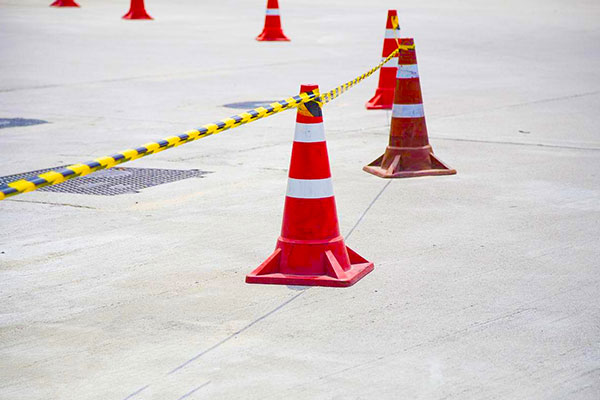
Why Is Traffic Cone Placement Distance Important?
Traffic cones are designed to guide vehicles and separate traffic from dangerous areas. If cones are placed too close together, they may affect normal traffic flow. If cones are placed too far apart, drivers may not clearly understand the road direction.
Proper cone spacing will help you:
- Improve road visibility
- Guide drivers safely
- Protect workers in construction areas
- Reduce the risk of accidents
- Create a more organized work zone
Therefore, choosing the correct traffic cone distance is an important step when setting up any temporary traffic control area.
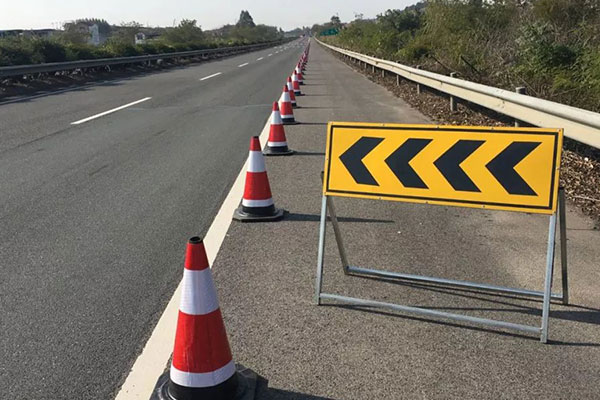
Recommended Traffic Cone Spacing for Different Roads
The required distance between traffic cones depends mainly on road speed and traffic conditions. Higher-speed roads usually need longer distances because drivers need more time to react.
1. Low-Speed Roads
For urban roads, parking areas, and streets with slower traffic, traffic cones are usually placed closer together.
Recommended distance:
1 to 3 meters between cones
This spacing works well for:
- City road repairs
- Sidewalk construction
- Small maintenance projects
- Parking control areas
Since vehicles move at lower speeds, drivers can react quickly when they see traffic cones.
2. Medium-Speed Roads
For normal roads with moderate traffic speeds, a larger distance between cones is usually needed.
Recommended distance:
3 to 5 meters between cones
This spacing helps drivers clearly see the traffic control area while maintaining smooth traffic movement.
Common applications include:
- Road maintenance
- Utility construction
- Temporary lane restrictions
3. High-Speed Roads and Highways
High-speed roads require careful traffic cone placement because vehicles need more stopping and reaction distance.
Recommended distance:
5 to 15 meters between cones
This is commonly used for:
- Highway construction
- Expressway repairs
- Long-term road projects
- Lane closure areas
Installing cones at the correct distance will help drivers change lanes safely and avoid sudden braking.
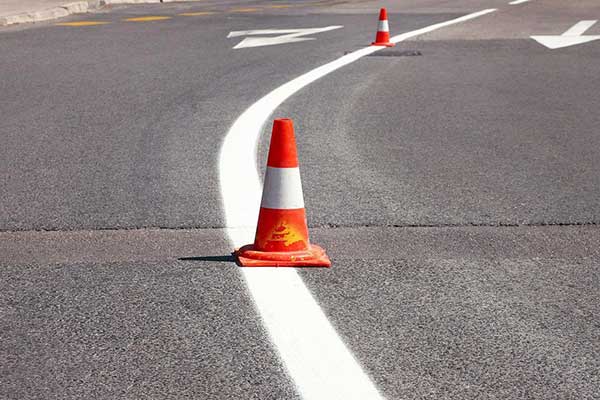
Traffic Cone Distance in Different Work Zones
A complete traffic control area usually includes several sections, and each section may require different cone spacing.
Traffic Transition Area
The transition area guides vehicles from the normal lane into a temporary traffic path.
Traffic cones should be placed carefully to create a smooth direction change.
Proper spacing will help drivers:
- Understand lane changes
- Reduce sudden movements
- Pass through the area safely
Work Area Protection
The work area is where workers, machines, and materials are located.
Traffic cones should create a clear safety boundary around the working area.
Correct cone placement helps:
- Protect construction workers
- Keep vehicles away from dangerous areas
- Improve work efficiency
Roadside Emergency Areas
For emergency situations, traffic cone distance should be adjusted according to road speed, visibility, and traffic conditions.
During nighttime or bad weather, you should place cones more carefully and consider using reflective traffic cones for better visibility.
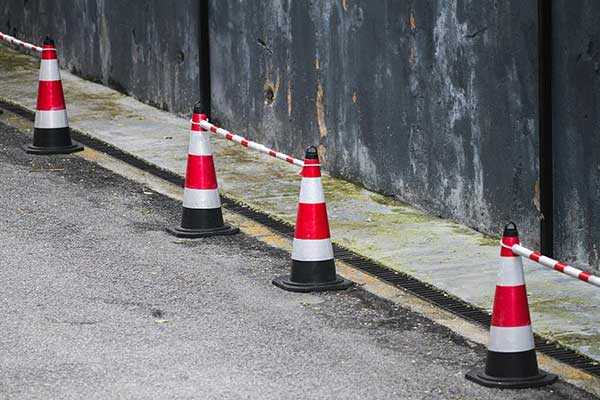
Factors That Affect Traffic Cone Placement Distance
There is no single distance that works for every situation. Before installing traffic cones, you should consider the following factors.
1. Vehicle Speed
Speed is one of the most important factors.
When vehicles travel faster:
- Drivers need more reaction time
- Cones should be placed farther apart
- Warning areas should be longer
Always adjust cone spacing according to the speed limit of the road.
2. Road Type
Different roads have different safety requirements.
For example:
- City streets usually require shorter spacing
- Highways require longer spacing
- Curved roads need more visible guidance
You should always check the road conditions before setting up traffic cones.
3. Weather and Visibility
Weather conditions can affect how easily drivers see traffic cones.
In conditions such as:
- Rain
- Fog
- Nighttime work
- Low visibility areas
you should use high-quality reflective traffic cones and consider reducing the distance between cones.
4. Type of Traffic Cone
The size and quality of traffic cones also affect safety.
For example:
- Small cones are suitable for pedestrian areas
- Larger cones are better for roads and highways
- Reflective cones provide better nighttime visibility
Choosing the correct cone size will help improve traffic control performance.
How to Create a Safer Traffic Control Area
To improve safety, you should follow these simple steps:
- Choose the correct traffic cone size for your project.
- Determine the proper spacing based on road speed.
- Place cones clearly and consistently.
- Use reflective cones for nighttime conditions.
- Follow local traffic safety regulations.
These simple actions will help you create a safer environment for everyone.
Conclusion
Traffic cone placement distance plays an important role in road safety. Different roads and vehicle speeds require different spacing between traffic cones. When you install traffic cones carefully at the correct distance, you can provide better protection for workers and help drivers pass through work zones safely.