

What is a Beacon Light? Types, Uses, Benefits
Whether on a busy construction site, a highway maintenance vehicle, an industrial machine, or an emergency response vehicle, beacon lights play a vital role in improving visibility and enhancing safety. These highly visible warning lights are designed to attract attention, alert people to potential hazards, and help prevent accidents in both day and night conditions. With a wide range of designs, colors, and lighting technologies available, beacon lights are used across numerous industries worldwide.
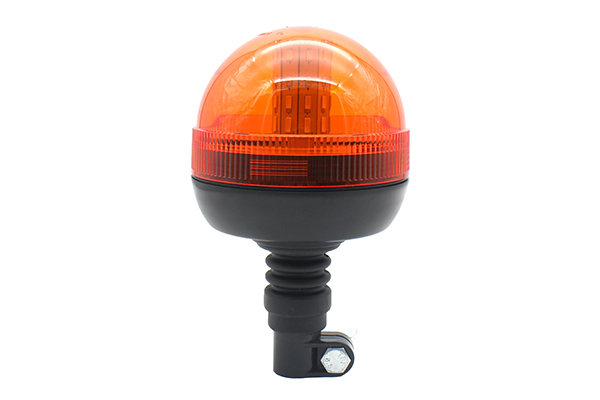
What is a Beacon Light?
A beacon light is a highly visible warning or signaling device designed to attract attention and improve safety. It emits bright light—either continuously or in flashing patterns—to alert people of hazards, guide traffic, identify vehicles, or indicate equipment status.
How Does a Beacon Light Work?
Beacon lights operate by producing intense illumination that can be seen from long distances. Depending on the application, they may use different lighting technologies and flashing patterns.
Most beacon lights consist of:
- A high-brightness light source (usually LED)
- A protective weather-resistant housing
- A power supply (battery, vehicle electrical system, or solar panel)
- Electronic controls that manage flashing or rotating patterns
LED beacon lights consume significantly less power than traditional halogen or xenon models while offering longer service life and improved reliability.
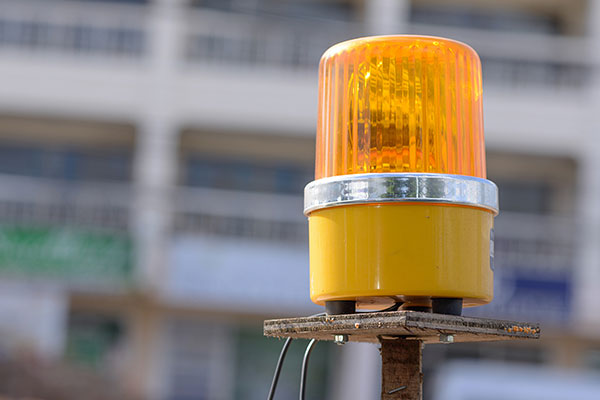
Main Types of Beacon Lights
1. LED Beacon Lights
LED beacon lights have become the industry standard due to their energy efficiency and durability.
Advantages
- Low power consumption
- Long lifespan (typically 50,000+ hours)
- High brightness
- Instant illumination
- Low maintenance
- Resistant to vibration
They are widely used on:
- Construction equipment
- Forklifts
- Agricultural machinery
- Road maintenance vehicles
- Industrial automation
2. Rotating Beacon Lights
Traditional rotating beacon lights use a motor-driven reflector to create a sweeping beam of light.
Features include:
- 360° visibility
- Strong attention-grabbing effect
- Suitable for emergency and service vehicles
3. Flashing Beacon Lights
Flashing beacon lights emit rapid pulses to maximize visibility.
Common flash patterns include:
- Single flash
- Double flash
- Quad flash
- Random flash
- Strobe effect
Flashing lights are particularly effective for warning drivers and pedestrians.
4. Strobe Beacon Lights
Strobe beacons produce extremely bright, short-duration flashes.
Applications include:
- Emergency vehicles
- Hazardous work zones
- Industrial warning systems
- Airport operations
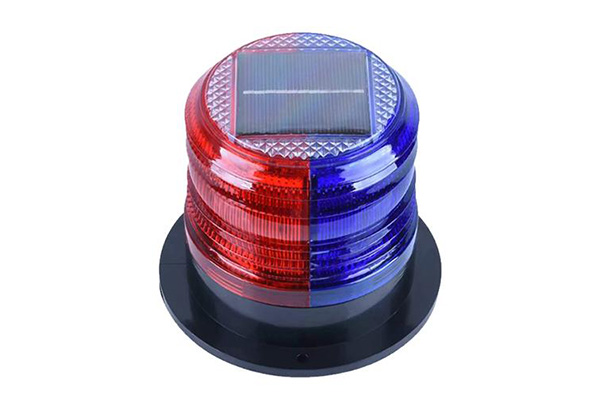
5. Solar Beacon Lights
Solar beacon lights combine LED technology with solar panels and rechargeable batteries.
Benefits include:
- No external power source
- Easy installation
- Low operating costs
- Environmentally friendly
They are commonly installed on:
- Road barriers
- Traffic islands
- Construction zones
- Marine navigation markers
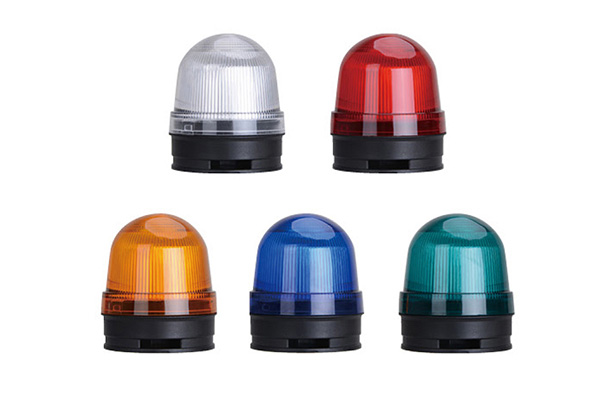
Common Colors of Beacon Lights
Different colors communicate different safety messages.
| Color | Typical Meaning | Common Applications |
|---|---|---|
| Amber | Warning or caution | Construction vehicles, maintenance equipment |
| Red | Danger or emergency | Fire equipment, emergency systems |
| Blue | Authorized personnel | Security vehicles, law enforcement (varies by country) |
| Green | Safe operation | Machine status indicators |
| White | General illumination | Work lights and guidance |
| Multi-color | Multiple machine states | Industrial automation |
Always verify local regulations before selecting beacon colors for vehicles or road use.
Applications of Beacon Lights
Beacon lights are used across many industries to improve operational safety.
1. Construction Sites
Construction machinery such as excavators, cranes, rollers, and loaders use beacon lights to alert nearby workers of equipment movement.
2. Road Safety
Beacon lights are installed on:
- Road maintenance trucks
- Traffic control vehicles
- Highway service vehicles
- Temporary work zones
They improve driver awareness and reduce accident risks.
3. Warehouses
Forklifts equipped with beacon lights help reduce collisions by warning pedestrians and other operators.
4. Manufacturing Plants
Beacon lights indicate:
- Machine operating status
- Equipment faults
- Production line warnings
- Emergency stop conditions
5. Agriculture
Farm equipment including tractors, harvesters, and sprayers use beacon lights for safe operation during early morning, evening, or roadside travel.
6. Emergency Services
Police, ambulances, and fire trucks rely on high-intensity beacon lights for visibility and traffic control.
Advantages of LED Beacon Lights
LED beacon lights provide several important benefits.
- High Visibility: Bright LEDs provide excellent visibility even in fog, rain, or daylight.
- Energy Efficiency: LEDs consume significantly less electricity than halogen or xenon bulbs.
- Long Service Life: Typical LED beacon lights operate for over 50,000 hours, reducing replacement costs.
- Low Maintenance: With no moving parts in many designs, maintenance requirements are minimal.
- Weather Resistance: Many beacon lights feature IP65, IP66, or IP67 protection against dust and water.
- Vibration Resistance: LED beacon lights withstand harsh environments such as construction and mining.
- Fast Response: LEDs illuminate instantly without warm-up time.
Frequently Asked Questions
A beacon light is designed to improve visibility and warn people of hazards, moving vehicles, operational machinery, or navigation points. It helps reduce accidents by providing clear visual signals.
A beacon light is a general category of warning light that may rotate, flash, or remain steady. A strobe light is a specific type of beacon that emits very bright, rapid flashes.
Yes. Solar beacon lights are widely used for temporary traffic control, road construction, and remote locations where electrical power is unavailable.
Many industrial beacon lights are designed with IP65, IP66, or IP67 ratings, making them suitable for outdoor environments.
The appropriate color depends on your application and local regulations. Amber is commonly used for caution, red for emergencies, blue for security, and green for normal operation.
Conclusion
Beacon lights play a vital role in improving visibility, communicating hazards, and enhancing safety across a wide range of industries. Whether used on heavy machinery, emergency vehicles, warehouse equipment, or road construction sites, they help prevent accidents by providing clear and immediate visual warnings.