

What is a Tow Away Zone? Meaning, Rules
A tow away zone is a clearly marked area where vehicles are not allowed to stop or park. If a vehicle is left in such a zone, it may be immediately removed (towed) by authorities or authorized towing operators. Understanding tow away zones is essential for drivers to avoid fines, towing fees, and unnecessary inconvenience.
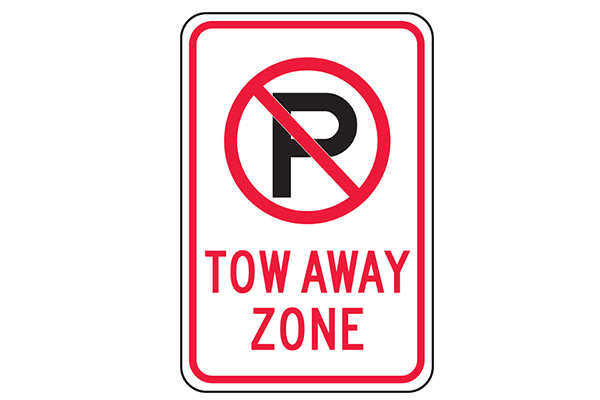
What is a Tow Away Zone?
A tow away zone is a designated no-parking or no-stopping area where vehicles obstructing traffic flow, safety access, or private property rights can be legally towed.
These zones are typically established in places such as:
- Fire hydrant areas
- Bus stops and taxi stands
- Loading and unloading zones (during restricted hours)
- Private property parking areas
- Emergency access routes
- High-traffic road shoulders
The main purpose is to ensure safety, traffic efficiency, and emergency accessibility.
Common Tow Away Zone Signs
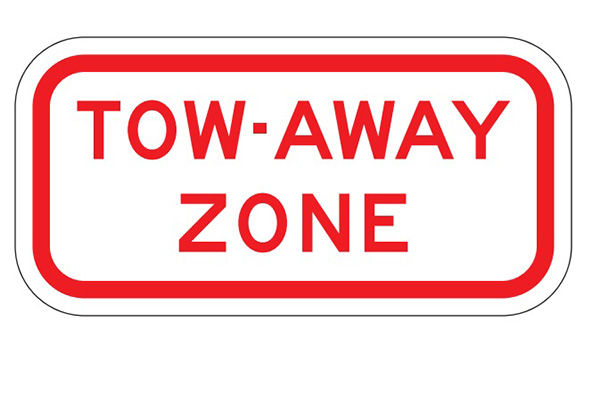
Tow away zones are usually indicated by clear signage. You may see signs that include:
- “Tow-Away Zone”
- “No Parking – Violators Will Be Towed”
- “Authorized Vehicles Only”
- Time-based restrictions (e.g., “7 AM – 7 PM Tow Away Zone”)
In many cities, painted curbs (red, yellow, or striped markings) also reinforce these rules.
Always check both road signs and road markings before leaving your vehicle.
Why Tow Away Zones Exist
Tow away zones are not just for enforcement—they serve important urban functions:
1. Traffic Safety
Blocking intersections or emergency lanes can cause accidents or delay emergency services.
2. Public Transport Efficiency
Bus stops and taxi stands must remain clear for smooth passenger flow.
3. Property Access
Private properties and loading bays need uninterrupted access.
4. Emergency Response
Fire trucks and ambulances require clear pathways at all times.
Why Vehicles Get Towed
Vehicles are typically towed when they are:
- Parked in a no-parking area
- Obstructing traffic or driveways
- Blocking emergency routes or fire hydrants
- Left in loading bays without permission
- Parked beyond permitted time limits
- Abandoned or improperly parked on private property
Even short stops in restricted zones can lead to towing in strict enforcement areas.
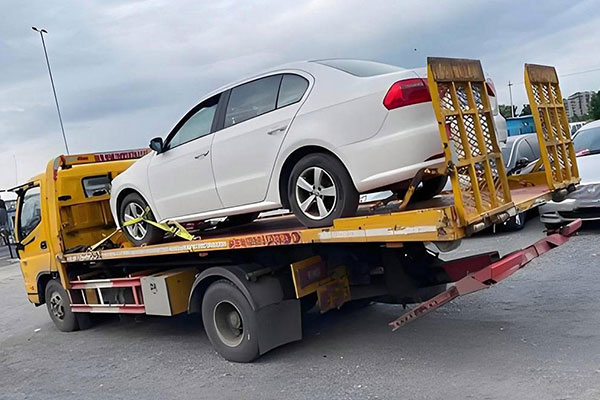
What Happens If Your Car Gets Towed?
If your vehicle is towed from a tow away zone, you may need to:
- Locate the impound yard
- Pay towing and storage fees
- Present identification and vehicle ownership documents
- Settle any outstanding fines
Costs can increase the longer the vehicle remains unclaimed.
Fines and Costs Involved
Being towed is expensive. Typical costs may include:
- Towing fee (varies by vehicle type and distance)
- Daily storage charges
- Administrative release fees
- Traffic violation fines (if applicable)
In strict enforcement cities, total costs can quickly become significant.
Legal Rights and Responsibilities
Drivers generally have the right to:
- Receive a valid explanation for towing
- Retrieve their vehicle after paying required fees
- Request documentation of the violation
However, enforcement agencies also have the right to remove vehicles that violate clearly marked restrictions.
Tow Away Zone vs No Parking Zone
While they may seem similar, there is a difference:
- No Parking Zone: You may stop briefly (depending on local laws), but not park.
- Tow Away Zone: Even stopping may lead to immediate towing.
Always treat tow away zones as strict enforcement areas.
Conclusion
A Tow Away Zone is a strict no-parking area designed to protect traffic flow, safety, and public access. Ignoring these rules can result in immediate towing, fines, and inconvenience.
To avoid problems, always pay attention to signage, understand local parking regulations, and use proper parking facilities whenever possible.
Need high-quality road safety solutions? Get in touch with Roadsky and discover our extensive stock of traffic signs, road barriers, and road construction equipment.