

Wheel Stop Dimensions: All Sizes and Installation Guide
Wheel stops (also called parking blocks, parking curbs, or car stops) are essential traffic control devices used in parking lots and garages to prevent vehicles from rolling too far forward. Choosing the correct wheel stop dimensions is critical for safety, compliance, and vehicle protection.
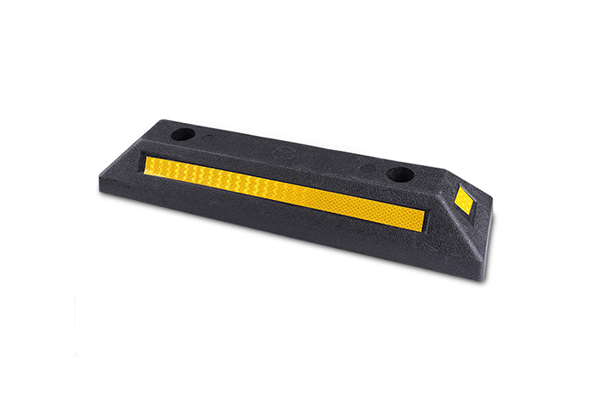
What is a Wheel Stop?
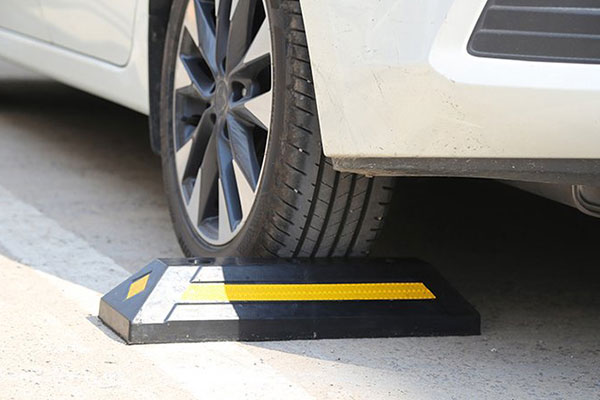
A wheel stop is a physical barrier installed on parking surfaces to:
- Prevent vehicles from overrunning parking spaces
- Protect walls, sidewalks, and landscaping
- Improve parking alignment and organization
- Enhance pedestrian safety
They are commonly used in commercial parking lots, residential complexes, industrial facilities, and public garages.
Standard Wheel Stop Dimensions
While wheel stop sizes can vary by country and application, there are widely accepted industry standards.
1. Standard Length
Typical wheel stop length ranges:
- 900 mm (36 inches) – compact parking spaces, small vehicles
- 1800 mm (72 inches) – most common standard size
- 2000–2400 mm (78–96 inches) – larger parking spaces or truck areas
The 1800 mm (6 ft) wheel stop is the most widely used globally.
2. Standard Height
Height determines how effectively a wheel stop prevents forward movement:
- 100 mm (4 inches) – low-profile applications
- 125 mm (5 inches) – standard commercial use
- 150 mm (6 inches) – heavy-duty or truck parking areas
Higher wheel stops are typically used where larger vehicles are present.
3. Standard Width (Base Depth)
Width affects stability and anchoring strength:
- 150–300 mm (6–12 inches) typical range
- Wider bases are used for heavy-duty rubber or concrete models
Common Wheel Stop Materials and Their Dimensions
Different materials slightly affect size standards due to weight and durability requirements.
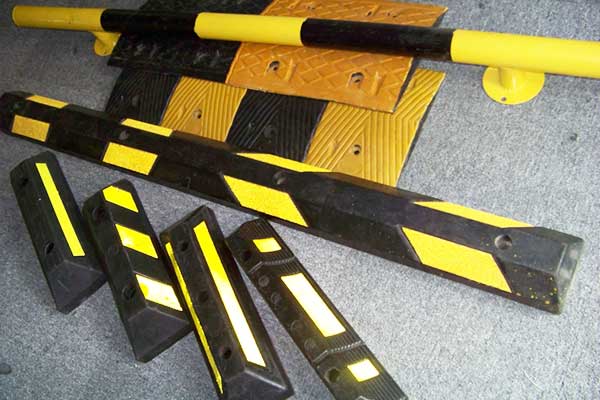
1. Rubber Wheel Stops
- Length: 1650–1830 mm
- Height: 100–120 mm
- Lightweight and flexible
- Common in commercial parking lots
2. Concrete Wheel Stops
- Length: 1800–2000 mm
- Height: 100–150 mm
- Very durable and heavy
- Ideal for long-term installation
3. Plastic Wheel Stops
- Length: 900–1800 mm
- Height: 100–130 mm
- Corrosion-resistant
- Easy installation and maintenance
4. Steel Wheel Stops
- Custom sizes
- Used in industrial environments
- High durability but prone to corrosion without coating
Wheel Stop Spacing and Placement Dimensions
Correct installation is just as important as size.
Standard Placement Guidelines:
- Distance from parking space front: 600–1000 mm clearance from curb or wall
- Center-to-center alignment: matches parking bay width
- Bolting points: usually 2–4 anchor bolts per wheel stop
- Set back from painted line: ensures tire contact consistency
Typical Parking Space Compatibility:
- Standard car space width: 2.4–2.7 m
- Wheel stop centered within the space
- Positioned so front wheels gently contact the stop
Regulatory Standards (General Overview)
Different countries follow different guidelines, but common standards include:
- Proper reflectors or yellow striping for visibility
- Non-slip surface texture
- Anchoring into asphalt or concrete using bolts or epoxy
- Compliance with local traffic or building codes
Always verify local parking regulations before installation.
How to Choose the Right Wheel Stop Dimensions
When selecting wheel stops, consider:
1. Vehicle Type
- Passenger cars: standard 100 mm height
- SUVs/light trucks: 125 mm height
- Heavy vehicles: 150 mm height
2. Parking Space Size
- Small spaces: shorter wheel stops
- Wide bays: full 1800 mm or longer
3. Installation Surface
- Asphalt: bolt-down rubber or composite
- Concrete: anchored rubber or precast concrete
4. Environmental Conditions
- Outdoor exposure: UV-resistant rubber or concrete
- Coastal areas: corrosion-resistant materials
Installation Tips for Correct Dimensions
Proper installation ensures performance regardless of size:
- Align wheel stop centrally in the parking bay
- Use expansion bolts for concrete surfaces
- Maintain equal spacing between multiple stops
- Ensure visibility markings face incoming vehicles
- Check height consistency across all units
Common Mistakes to Avoid
- Choosing incorrect height for vehicle type
- Installing too close to curb or wall
- Skipping reflective markings
- Using lightweight stops in heavy-traffic areas
- Misaligning with parking lines
FAQs
The most common size is 1800 mm long × 100–125 mm high.
For standard cars, 100–125 mm is ideal.
No. They range from 900 mm to over 2400 mm depending on use.
Concrete wheel stops generally last the longest, followed by heavy-duty rubber.
Yes, many manufacturers offer custom lengths, colors, and branding.
Conclusion
Wheel stop dimensions play a crucial role in parking safety, vehicle protection, and space efficiency. The most widely used configuration is the 1800 mm length with 100–125 mm height, but variations exist depending on vehicle type, application, and local regulations.