

What is the Lifespan of a Road Stud?
Road studs, also known as raised pavement markers or cat’s eyes, play a vital role in road safety by improving visibility and guiding drivers in low-light or adverse weather conditions. Whether used on highways, urban streets, or rural roads, their performance and durability are key considerations for road authorities and contractors. One of the most common questions is: what is the lifespan of a road stud?
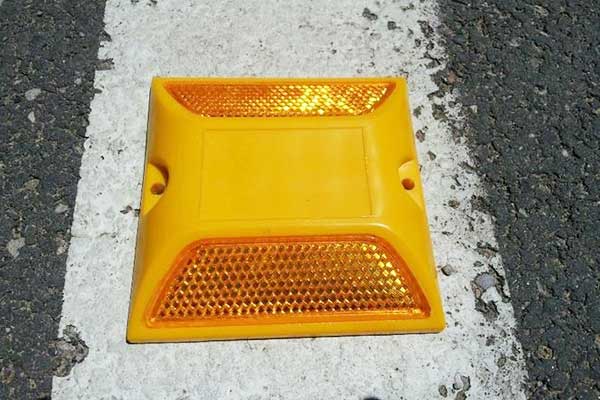
Factors That Influence the Lifespan of Road Studs
The durability of road studs is not fixed—it depends on several factors:
1. Material Type
- Plastic road studs: Typically last 6 months to 2 years, depending on traffic intensity and weather exposure.
- Aluminum road studs: Offer better resistance, with a lifespan of 2 to 5 years.
- Ceramic road studs: Known for their hardness and wear resistance, they can last 3 to 5 years, making them suitable for urban and highway use.
- Glass road studs: Often used for reflective performance, especially in low-light conditions, and usually last 2 to 4 years, though their service life depends on traffic volume and installation quality.
- Solar road studs: Usually last 3 to 5 years, depending on battery life and environmental conditions.
2. Traffic Volume
Highways and busy intersections experience greater wear and tear, which can shorten the lifespan of road studs compared to those installed on low-traffic rural roads.
3. Climate Conditions
Extreme temperatures, heavy rainfall, snow, and UV exposure all impact durability. For example, freezing and thawing cycles may reduce adhesive strength, while hot climates can accelerate fading.
4. Installation Quality
Proper surface preparation, adhesive selection, and correct placement significantly extend road stud longevity. Poor installation often leads to early failures.
5. Maintenance Practices
Routine road inspections and timely replacements help ensure that road studs remain functional for their expected service life.
Average Lifespan of Road Studs in Real Use
On average, standard road studs last between 2 and 5 years, while heavy-duty or solar-powered models may provide reliable service for up to 10 years under favorable conditions. However, in high-traffic highways or harsh weather regions, replacement cycles may be shorter.
How to Maximize the Lifespan of Road Studs
To extend the service life of road studs, consider the following best practices:
- Choose the right type of stud for the traffic and environmental conditions.
- Ensure professional installation with high-quality adhesives or mechanical fixing.
- Perform routine inspections and replace damaged or missing studs promptly.
- Invest in solar studs with durable batteries and waterproof housing for long-term use.
Conclusion
The lifespan of a road stud varies widely—from a few months to over a decade—depending on its material, location, and maintenance. For road authorities and contractors, selecting the right type of stud and ensuring proper installation are crucial for cost efficiency and road safety.