

What is Caution Tape? Uses, Colors and Types
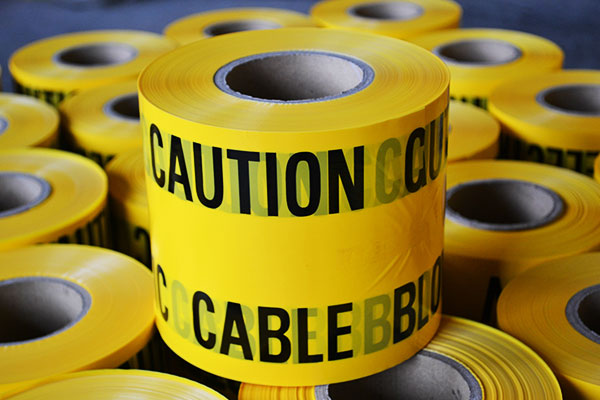
Caution tape is a highly visible safety tape used to warn people about hazards, restricted areas, construction zones, and other potentially dangerous locations. It is commonly seen around construction sites, accident scenes, maintenance areas, warehouses, roadwork zones, and public events.
Most caution tape uses bright background colors and large printed warning messages so that people can quickly recognize a potential hazard from a distance.
Although the terms caution tape, warning tape, and barricade tape are often used interchangeably, different colors and printed messages can communicate different levels or types of hazards.
What is Caution Tape?
Caution tape is a lightweight barrier tape designed to visually identify an area where people should proceed carefully or avoid entering.
Typical caution tapes are printed with messages such as:
- CAUTION
- WARNING
- DANGER
- DO NOT ENTER
- CONSTRUCTION AREA
- WET FLOOR
- UNDERGROUND CABLE
- KEEP OUT
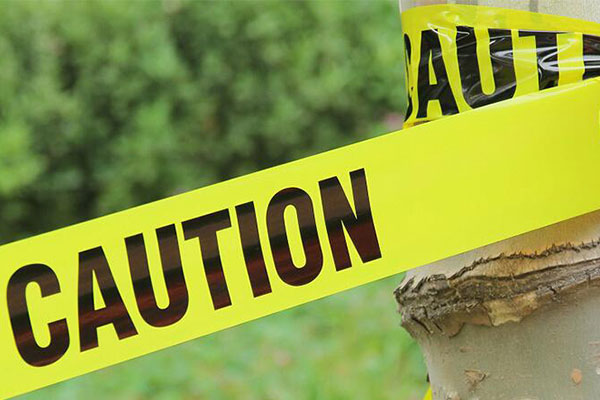
The tape can be tied between posts, fences, cones, barriers, trees, or other fixed objects to create a temporary visual boundary.
Unlike permanent safety barriers, caution tape is easy to transport, install, remove, and replace. This makes it especially useful for temporary hazards and changing work areas.
What is Caution Tape Used For?
Caution tape can be used anywhere that a visible warning or temporary restricted area is required.
1. Construction Sites
Construction companies use caution tape to mark excavations, unfinished structures, equipment operating areas, and locations where falling objects or other hazards may be present.
It can also help separate workers from visitors or pedestrians.
2. Road Work and Maintenance
Caution tape is often used together with traffic cones, barricades, warning lights, and temporary signs during road maintenance projects.
Typical applications include:
- Pavement repairs
- Utility work
- Sidewalk maintenance
- Temporary excavations
- Parking lot repairs
- Road construction
For traffic environments, caution tape should normally be used as a visual warning rather than as a substitute for approved traffic barriers.
3. Industrial Facilities
Factories, warehouses, and workshops may use caution tape to temporarily isolate:
- Maintenance zones
- Damaged equipment
- Spill areas
- Restricted machinery areas
- Loading zones
- Unsafe floors
Highly visible tape allows workers to quickly recognize that additional attention is required.
4. Accident and Emergency Areas
Emergency services may use printed barrier tape to restrict public access to accident scenes or hazardous locations.
Different wording may be selected depending on the situation, including DO NOT ENTER, DANGER, or other specific warning messages.
5. Public Events
Caution or barricade tape can also be used for crowd management, temporary restricted areas, event setup, parking areas, and route marking.
Common Caution Tape Colors and Their Meanings
Caution tape is available in different colors to help people quickly recognize hazards and restricted areas. However, exact meanings can vary by country, industry, and workplace safety requirements.
| Color | Common Meaning | Typical Applications |
|---|---|---|
| Yellow | General caution or potential hazard | Construction sites, maintenance areas, temporary restricted zones |
| Red | Danger or serious hazard | High-risk areas, electrical hazards, restricted access |
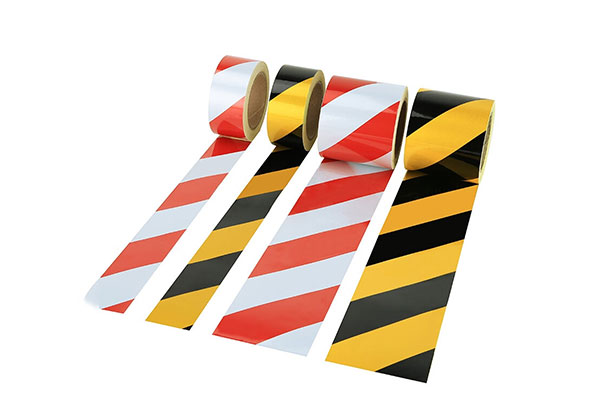
| Black and Yellow | Physical hazard or caution area | Machinery, loading zones, low-clearance areas, workplace hazards |
| Red and White | Restricted or controlled area | Construction zones, industrial sites, public events |
| Green and White | Safety-related or designated safe area | First-aid areas, safety zones, designated access areas |
| Blue and White | Information or special notice | Equipment areas, maintenance notices, controlled work zones |
Yellow-and-black caution tape is one of the most commonly used options because the strong color contrast is easy to notice. For more serious hazards, red or red-and-white tape may be used together with clear messages such as DANGER, DO NOT ENTER, or KEEP OUT.
Always follow applicable safety regulations and site-specific procedures rather than relying on color alone.
Types of Caution Tape
Caution tape is available in several forms depending on how and where it will be used.
1. Non-Adhesive Caution Tape
Non-adhesive caution tape is the traditional barricade-style tape commonly used to create temporary restricted areas.
It is normally stretched between:
- Traffic cones
- Safety posts
- Fences
- Barricades
- Poles
- Trees
Because it does not have adhesive backing, it can be installed quickly over large areas.
2. Adhesive Warning Tape
Some safety tapes have an adhesive backing and are designed to attach directly to surfaces.
They may be used on:
- Floors
- Walls
- Machinery
- Doors
- Columns
- Warehouse equipment
Adhesive safety tape is generally more suitable for marking fixed locations than for creating large temporary perimeter barriers.
How to Choose Caution Tape
When choosing caution tape, consider the warning message, color, size, and application environment.
- Warning message: Choose clear wording such as CAUTION, DANGER, or DO NOT ENTER.
- Color: Select a highly visible color that matches the type of hazard.
- Size: Wider tape is easier to see from a distance.
- Environment: For outdoor use, choose tape suitable for sunlight, rain, and wind.
- Custom printing: Add logos, languages, or specific warning messages when needed.
The right caution tape should be easy to see, easy to understand, and suitable for the working environment.
Frequently Asked Questions
Caution tape is one common type of warning tape. Warning tape is a broader category that can include caution, danger, construction, and restricted-area tape.
No. Caution tape mainly provides a visual warning. Physical barriers should be used when stronger protection is required.
Caution tape is usually made from polyethylene (PE), especially LDPE, because it is lightweight, flexible, waterproof, and easy to print. Some types are also made from PP or PVC for greater strength or durability.
Conclusion
Now you know what caution tape is, where it is used, and how different colors and warning messages can help identify hazards.
In practice, choosing the right caution tape is mainly about matching the tape to the working environment and the type of warning you need to communicate. Whether it is used on a construction site, in a warehouse, or around a temporary restricted area, clear wording and good visibility are the most important factors.