

Reflective Sheeting: Why It Matters for Traffic Signs
Traffic safety depends heavily on clear, visible, and durable road signs. As transportation networks expand and more vehicles enter the road, the need for highly visible traffic signs becomes more important than ever. This is where reflective sheeting plays a crucial role. Reflective sheeting enhances nighttime visibility, withstands harsh outdoor conditions, and ensures that road users receive critical information at all times.
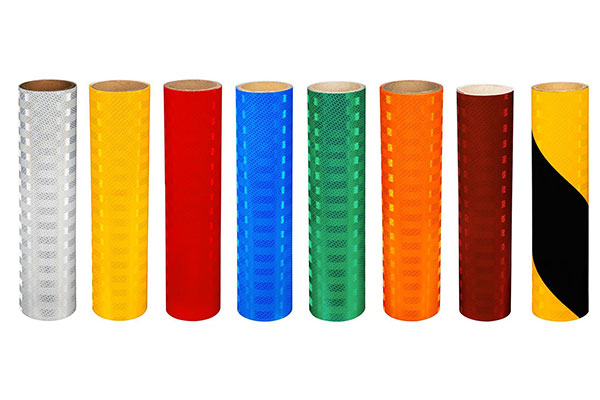
What is Reflective Sheeting?
Reflective sheeting is a high-visibility material applied to the surface of traffic signs to ensure they can be easily seen in low-light or nighttime conditions. It works by reflecting incoming light—typically from vehicle headlights—back to the driver, making the sign appear bright even in dark environments.
Reflective sheeting is engineered using microprisms, glass beads, or a combination of retro-reflective technologies. Its durability, brightness, and reflectivity levels vary depending on the grade and application.
Why Reflective Sheeting Is Essential for Traffic Signs
1. Enhanced Nighttime Visibility
Most traffic accidents occur at night due to poor visibility. Reflective sheeting helps drivers detect and respond to road signs faster, improving overall road safety.
2. Durability in Outdoor Environments
Traffic signs are exposed to UV rays, rain, dust, and extreme temperatures. High-quality reflective sheeting protects signs from fading and weather damage, ensuring long service life.
3. Compliance With International Standards
Modern road safety regulations require a minimum level of reflectivity for all traffic signs. Using certified reflective sheeting ensures compliance with:
- ASTM D4956
- EN 12899
- ISO standards
4. Reduced Maintenance Costs
Long-lasting brightness and weather resistance reduce the need for frequent sign replacements, lowering overall maintenance costs for governments and infrastructure projects.
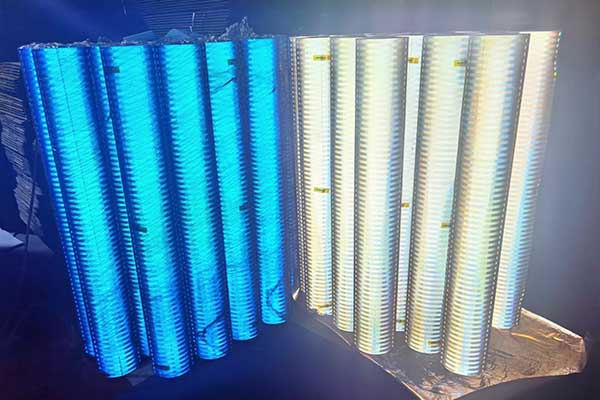
Types of Reflective Sheeting Used for Traffic Signs
Traffic signs use various grades of reflective sheeting depending on visibility requirements and road conditions.
1. Engineer Grade Reflective Sheeting
- Suitable for parking lots, non-critical signs, and low-speed areas
- Cost-effective and widely used
- Moderate reflectivity
2. High-Intensity Prismatic Sheeting
- Brighter than engineer grade
- Ideal for highways, construction zones, and directional signage
- Long outdoor durability
3. Diamond Grade Reflective Sheeting
Highest brightness and long-distance visibility
Used for critical traffic signs such as:
- Stop signs
- Warning signs
- Guide signs
Designed for high-speed expressways and intercity roads
How Reflective Sheeting Improves Traffic Safety
- Improved Reaction Time: A highly reflective sign gives drivers more time to react, especially in high-speed or low-visibility environments.
- Enhanced Color and Symbol Definition: Reflective sheeting maintains sharp colors and shapes, helping drivers quickly understand essential messages.
- Performance in All Weather Conditions: Fog, rain, and snow make it difficult to see non-reflective signs. Reflective materials significantly improve visibility in challenging weather.
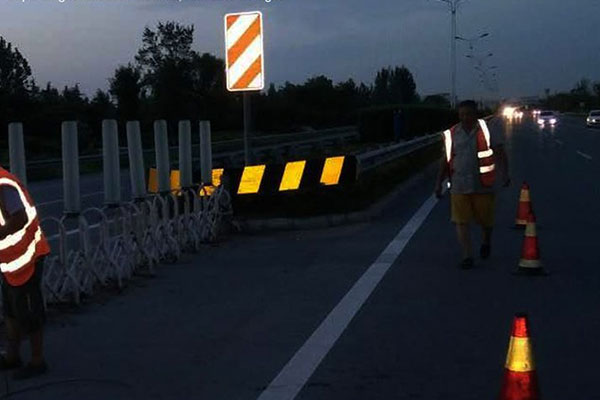
Applications of Reflective Sheeting Beyond Traffic Signs
Reflective sheeting is not limited to road signage. It is also widely used for:
- Road safety barriers
- Cones and delineators
- Work-zone safety equipment
- Vehicle marking tapes
- Warehouse safety labels
Its flexibility and high brightness make it ideal for any situation requiring increased visibility.
Choosing the Right Reflective Sheeting for Your Traffic Signs
When selecting reflective sheeting, consider:
- Traffic speed: Higher speeds require higher-grade sheeting.
- Installation environment: Urban, rural, coastal, or high-temperature areas.
- Required lifespan: Premium sheeting lasts longer but costs more.
- Regulatory standards: Ensure compliance with local road safety laws.
Working with a reputable reflective sheeting manufacturer or traffic sign supplier ensures consistent quality and long-term performance.
Conclusion
Reflective sheeting is a vital component in modern traffic signs, ensuring visibility, safety, and long-term durability. From local streets to high-speed expressways, reflective materials help guide drivers and prevent accidents. With multiple grades available—engineer, high-intensity, and diamond grade—choosing the right reflective sheeting ensures your traffic signs meet regulatory standards and provide reliable performance for years.