

Warning Tapes vs. Warning Meshes: How to Choose
In underground construction, roadworks, and utility installations, warning tapes and warning meshes play a critical role in preventing accidental damage and improving safety. Although both serve as visual alerts, they are designed for different purposes and conditions.
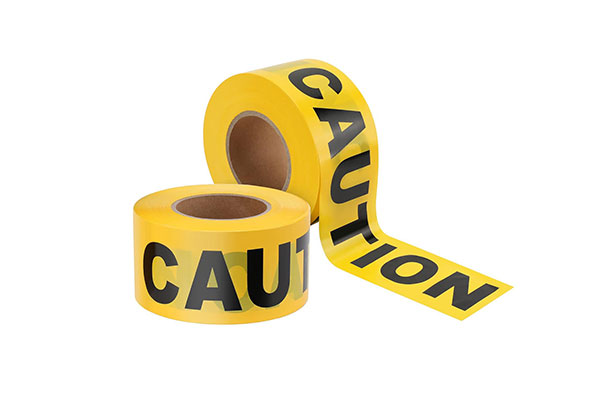
What Are Warning Tapes?
Warning tapes are thin, flexible plastic tapes—typically made from PE (polyethylene) or PVC—printed with high-visibility colors and warning messages such as “Caution,” “Danger,” “Buried Cable Below,” or “Warning: Gas Line.”
Common Types of Warning Tapes
- Detectable warning tape
- Non-Detectable Warning Tape
- Barricade tape
- Custom-printed warning tape
Key Features of Warning Tapes
- Lightweight and cost-effective
- Easy to install and cut
- Available in bright colors (yellow, red, orange)
- Can include custom text and logos
- Suitable for temporary or permanent underground marking
Typical Uses
Warning tapes are widely used to identify dangerous zones on construction sites, at public events, in industrial facilities, and along pedestrian or traffic routes.
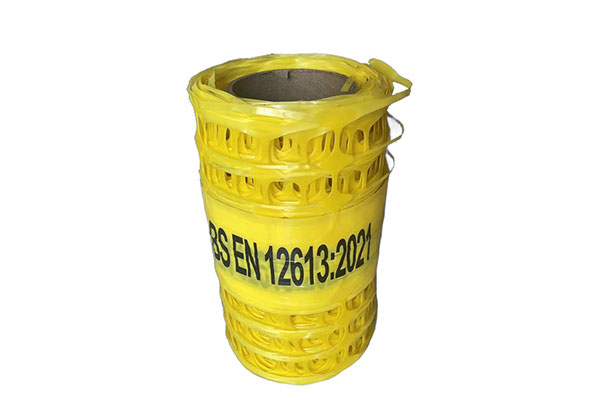
What Are Warning Meshes?
Warning meshes are mesh‑style safety materials made from durable plastics such as polyethylene or polypropylene. They combine bright visibility with a grid‑like structure that provides both a visual alert and a physical barrier.
Common Types of Warning Meshes
- Underground warning mesh
- Safety fence mesh
- Orange construction mesh
- Utility protection mesh
Key Features of Warning Meshes
- Strong and durable structure
- High visibility even after backfilling
- Provides both visual and physical warning
- Resistant to corrosion, moisture, and chemicals
- Long service life
Typical Uses
Warning meshes are ideal for applications that require a long‑lasting visual warning, such as marking buried utilities like pipelines, electrical cables, fiber optics, or communication lines. They are frequently used in roadwork, utility trenching, and industrial projects.
Warning Tapes vs Warning Meshes: What’s the Difference?
| Feature | Warning Tape | Warning Mesh |
|---|---|---|
| Material | PE/PVC/OPP film | PE/PP mesh structure |
| Structure | Flat, flexible strip | Mesh grid with physical form |
| Visibility | High (printed text) | Very high, 3D visibility |
| Durability | Moderate | High |
| Detectability | Optional (detectable versions) | Optional (detectable versions) |
| Best For | Marking & identification | Protection & long-term safety |
Which One Should You Choose?
Choosing between warning tape and warning mesh depends on your project requirements:
Choose warning tape if:
- You need a low-cost solution
- The project is temporary
- Clear text identification is required
- Space is limited
Choose warning mesh if:
- You require stronger physical presence and durability
- The hazard area is long‑term or frequently disturbed
- High visibility and safety compliance are critical
In many projects, both are used together—warning tape for clear identification and warning mesh for physical protection.
Industry Standards and Compliance
Both warning tapes and meshes can be manufactured to meet international standards such as:
- EN standards
- ASTM specifications
- ISO quality requirements
Custom colors, sizes, roll lengths, and printed messages are also available to comply with local regulations.
Conclusion
Warning tapes and warning meshes are essential tools for safe construction, roadwork, and utility projects. Tapes provide cost-effective visual alerts, while meshes deliver long-term durability and visibility.
For projects requiring maximum safety and compliance, consider sourcing high-quality warning tapes and meshes from a reliable supplier.
Looking for Reliable Warning Tape and Warning Mesh Solutions?
Roadsky is a professional manufacturer and supplier of warning safety products, offering high-quality warning tapes and warning meshes for global infrastructure projects. Whether you need standard utility marking or enhanced protection for critical installations, Roadsky provides durable, customizable solutions you can trust.
Contact Roadsky today to find the right warning system for your project.