

Traffic Separators: Everything You Need to Know
Traffic separators are essential road safety devices designed to organize traffic flow, reduce accidents, and improve overall roadway efficiency. Commonly seen on highways, urban roads, intersections, and construction zones, traffic separators help clearly define lanes and keep vehicles moving safely in the correct direction.
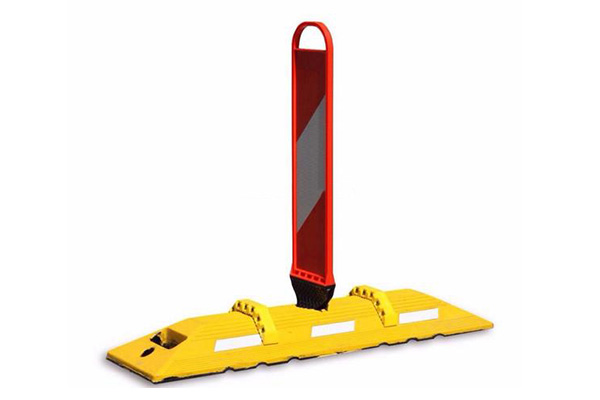
What Are Traffic Separators?
Traffic separators are physical barriers or devices installed on roads to separate opposing or same-direction traffic lanes. Their primary purpose is to prevent vehicles from crossing into restricted areas or oncoming traffic lanes, thereby reducing collisions and improving traffic discipline.
Key Functions of Traffic Separators
Traffic separators play a critical role in modern road safety systems. Their main functions include:
- Separating opposing traffic flows to reduce the risk of head-on collisions
- Guiding vehicles through lanes, intersections, and merging points
- Improving road discipline by preventing illegal overtaking or lane changes
- Enhancing visibility, especially at night or in poor weather conditions
- Protecting pedestrians and work zones in high-risk areas
Common Types of Traffic Separators
1. Plastic Traffic Separators
Plastic traffic separators are lightweight, cost-effective, and easy to install. They are commonly used for temporary traffic control, road maintenance, and urban traffic management.
Key features:
- Made from HDPE or PP
- UV-resistant and weatherproof
- Can be filled with water or sand for added stability
2. Concrete Traffic Separators
Concrete traffic separators are heavy-duty and designed for permanent installations on highways and major roads.
Key features:
- High impact resistance
- Long service life
- Minimal maintenance required
3. Rubber Traffic Separators
Rubber traffic separators are flexible and shock-absorbing, making them suitable for urban streets and parking areas.
Key features:
- Made from recycled rubber
- Good visibility with reflective elements
- Reduces vehicle damage on impact
4. Metal Traffic Separators
Metal separators are often used in areas requiring higher structural strength, such as bridges and elevated roads.
Key features:
- Strong and durable
- Often combined with reflective panels
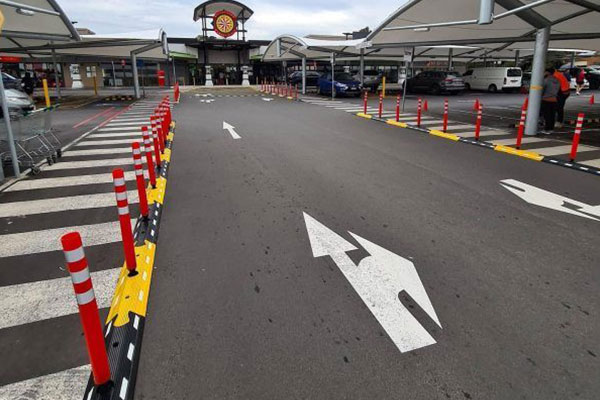
Uses of Traffic Separators
Traffic separators are widely used in various traffic management scenarios, including:
- Dividing opposing traffic lanes
- Managing lane discipline in urban roads
- Separating motor vehicles from non-motorized lanes
- Temporary traffic control at construction sites
- Parking lot and toll plaza lane guidance
- Bus rapid transit (BRT) lane separation
How to Choose the Right Traffic Separator
When selecting traffic separators, consider the following factors:
- Road type (highway, urban road, parking area)
- Traffic speed and volume
- Temporary or permanent use
- Material durability
- Visibility requirements
- Local traffic safety standards
Choosing the right traffic separator ensures optimal performance and long-term safety.
Conclusion
Traffic separators play a vital role in modern traffic management by improving road safety, organizing traffic flow, and reducing accidents. If you are planning a traffic safety or road infrastructure project, choosing the right type of traffic separator based on road conditions and traffic volume is key to achieving long-term safety and performance.
FAQs
Traffic separators can be both. Plastic and rubber types are usually temporary, while concrete and metal separators are permanent.
Minimal maintenance is required, mainly cleaning and checking reflective elements.
Yes, many manufacturers offer customization in size, color, and reflective markings.
A traffic separator is typically a smaller, modular barrier used to keep traffic within specific lanes, whereas a road divider often refers to a larger, more permanent structure that separates different directions of traffic or distinct sections of the roadway.
The lifespan of a traffic separator varies by material. Plastic separators can last up to 5-7 years, while concrete and metal separators can last for decades with minimal maintenance.