

What is a Barricade Light? Everything You Need to Know
Barricade lights are essential traffic safety devices used to alert drivers, pedestrians, and workers to hazards, road closures, construction zones, and temporary traffic control areas. These warning lights improve visibility during nighttime operations and adverse weather conditions, helping to prevent accidents and enhance overall road safety.
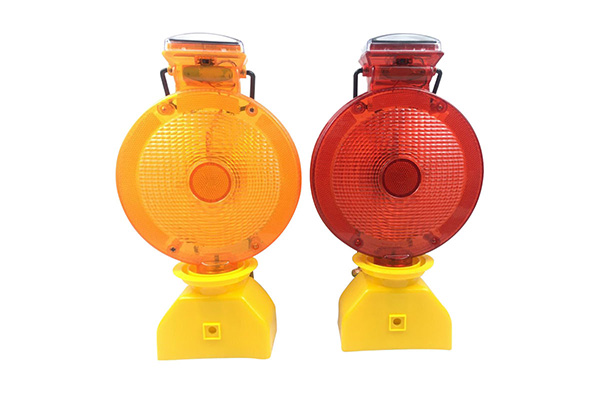
What is a Barricade Light?
A barricade light, also known as a warning light or obstruction light, is a flashing or steady-burning light mounted on traffic barricades, barriers, drums, cones, and other temporary traffic control devices. Its primary purpose is to attract attention and warn road users about potential hazards ahead.
Barricade lights are commonly powered by batteries or solar energy and are designed to operate continuously in outdoor environments. They are widely used in road construction, maintenance projects, utility work, parking areas, airports, and emergency response situations.
How Does a Barricade Light Work?
Barricade lights emit flashing or steady illumination to attract attention and communicate specific traffic control messages.
Modern barricade lights typically consist of:
- High-brightness LED light source
- Durable weather-resistant housing
- Lens for directional visibility
- Battery or solar power system
- Mounting bracket for attachment to barricades or barriers
Depending on the application, the light may flash at a specified rate or provide a continuous burn signal in compliance with local traffic safety standards.
Why Are Barricade Lights Important?
Barricade lights play a critical role in traffic safety by:
- Increasing visibility of roadwork zones at night
- Alerting drivers to lane closures and detours
- Reducing the risk of collisions with temporary barriers
- Protecting construction workers and pedestrians
- Improving traffic flow around hazardous areas
- Ensuring compliance with traffic safety regulations
Without proper warning lights, construction zones and temporary traffic control setups can become difficult to see, especially in low-light conditions.
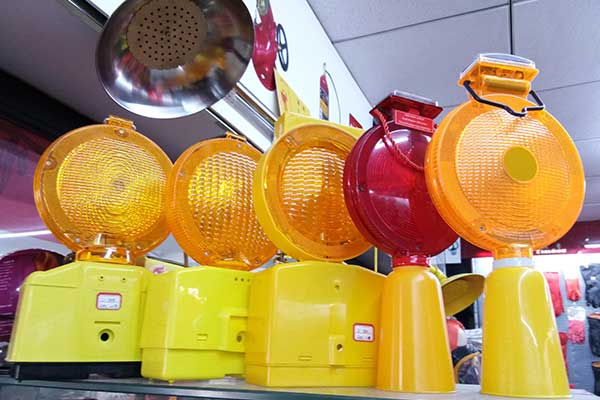
Types of Barricade Lights
Barricade lights are generally classified into three categories:
1. Type A Barricade Lights
Type A barricade lights emit low-intensity flashing amber light.
They are commonly used for:
- Road shoulder work
- Utility maintenance projects
- Low-speed traffic areas
- Minor construction zones
Their flashing pattern helps draw attention to temporary hazards without causing distraction.
2. Type B Barricade Lights
Type B barricade lights provide high-intensity flashing amber light for enhanced visibility.
Applications include:
- High-speed highways
- Major road construction projects
- Long-term work zones
- Areas requiring increased driver awareness
The brighter output allows motorists to identify hazards from greater distances.
3. Type C Barricade Lights
Type C barricade lights produce a steady-burning amber light rather than flashing.
They are often used to:
- Outline road closures
- Mark detour routes
- Delineate traffic channels
- Define safe travel paths through work zones
Continuous illumination helps drivers follow the intended route safely.
Solar vs. Battery-Powered Barricade Lights
Solar Barricade Lights
Solar-powered barricade lights use photovoltaic panels to charge internal batteries during daylight hours.
Advantages include:
- Reduced operating costs
- Environmentally friendly
- Minimal maintenance
- Long service life
Battery-Powered Barricade Lights
Battery-operated models are commonly used when sunlight exposure is limited.
Benefits include:
- Reliable operation in shaded locations
- Quick deployment
- Consistent performance in various environments
The best option depends on project duration, location, and available sunlight.
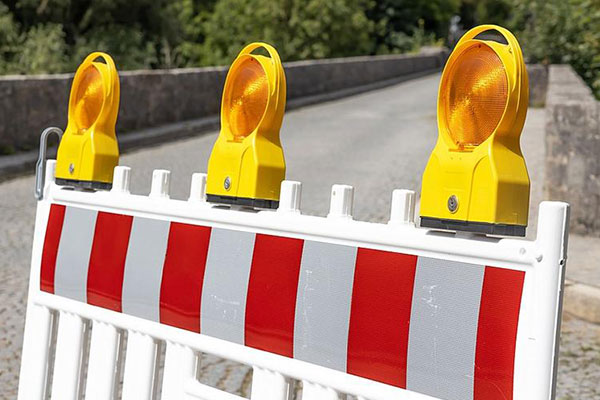
Common Applications of Barricade Lights
Barricade lights are widely used across various traffic management and safety applications, including:
- Road Construction Zones: Construction companies use barricade lights to warn drivers about lane closures, equipment, workers, and changing traffic patterns.
- Highway Maintenance: Maintenance crews deploy barricade lights during pavement repairs, bridge inspections, and utility work.
- Emergency Response Areas: Police, firefighters, and emergency response teams use barricade lights to secure accident scenes and direct traffic.
- Parking Lots and Event Management: Temporary traffic control systems for public events, concerts, and festivals often incorporate barricade lights to guide vehicles and pedestrians.
- Utility and Infrastructure Projects: Telecommunications, water, gas, and power utility contractors use barricade lights when performing roadside repairs.
Benefits of Using Barricade Lights
- Improved Safety: Barricade lights significantly enhance visibility, helping prevent accidents in construction and work zones.
- Increased Driver Awareness: Flashing or steady illumination quickly attracts attention and alerts road users to upcoming hazards.
- Enhanced Nighttime Visibility: Barricade lights remain visible in darkness, fog, rain, and other challenging weather conditions.
- Energy Efficiency: Modern LED barricade lights consume less power while providing longer operating life.
- Low Maintenance: LED technology reduces bulb replacement costs and maintenance requirements.
- Easy Installation: Most barricade lights feature simple mounting systems for quick deployment on barricades, cones, drums, and barriers.
How to Choose the Right Barricade Light
When selecting a barricade light, consider the following factors:
- Visibility Requirements: Choose light intensity based on traffic speed and viewing distance.
- Power Source: Select solar-powered models for long-term deployments and battery-powered units for short-term projects.
- Weather Resistance: Look for durable materials and waterproof ratings suitable for outdoor use.
- Compliance Standards: Ensure the barricade light complies with local transportation and road safety regulations.
- Mounting Compatibility: Verify that the light can be securely attached to barricades, traffic drums, cones, or barriers.
Conclusion
A barricade light is an essential traffic safety device used to warn road users of hazards, construction zones, lane closures, and other temporary traffic control situations. Whether powered by solar energy or batteries, these lights significantly improve visibility and safety in both daytime and nighttime conditions.
Looking for reliable barricade lights for your road construction or traffic safety project? Contact us today to get high-quality solar and battery-powered warning lights designed for maximum visibility, durability, and compliance with international safety standards. Our team is ready to help you choose the right solution for your needs.