

Pentagonal Signs: Meaning, Uses, Types, and Applications
Pentagonal signs are a distinctive category of traffic and safety signage widely used in road infrastructure systems around the world. Recognized for their five-sided shape, these signs are typically associated with school zones, pedestrian awareness, and high-caution areas where extra attention is required. Their unique geometry makes them instantly noticeable, helping improve reaction time and road safety.
What Are Pentagonal Signs?
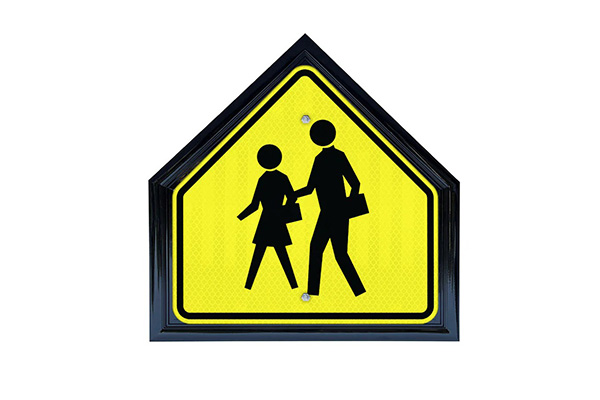
Pentagonal signs are traffic or safety signs shaped like a pentagon (five sides). Unlike circular, triangular, or rectangular signs that serve general regulatory or informational purposes, pentagonal signs are usually reserved for special warning contexts, especially related to pedestrians and school areas.
The most common example is the school zone sign, often featuring two walking figures symbolizing children crossing or walking.
Their shape alone is a visual cue—drivers immediately associate it with heightened caution and reduced speed zones.
Meaning and Function of Pentagonal Signs
The primary purpose of pentagonal signs is to alert drivers to areas where vulnerable road users are present, particularly children.
Key functions include:
- Warning drivers of school zones
- Indicating pedestrian-heavy areas
- Promoting speed reduction
- Enhancing awareness in residential or community zones
- Supporting traffic calming strategies
Because of their psychological impact, pentagonal signs are highly effective even when drivers are not actively reading the text or symbols.
Types of Pentagonal Traffic Signs
1. School Crossing Sign
The most common pentagonal sign depicts two pedestrians walking. This sign alerts drivers that a school crossing is ahead and that children may be present on or near the roadway.
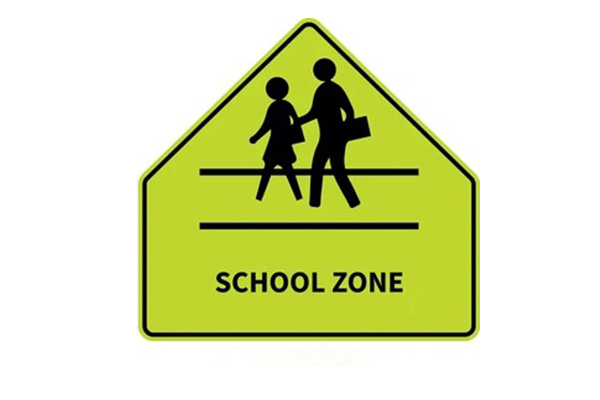
2. School Zone Sign
A pentagonal school zone sign indicates the beginning of a designated school area where reduced speed limits and additional traffic regulations may apply.
3. Pedestrian Safety Signs
In some regions, pentagonal signs are customized to provide additional safety information related to school and pedestrian activities.
Materials Used in Pentagonal Sign Manufacturing
Modern pentagonal traffic signs are manufactured from durable materials designed to withstand outdoor conditions.
1. Aluminum
Aluminum is the most widely used material due to its lightweight construction, corrosion resistance, and long service life.
2. Galvanized Steel
Steel provides excellent strength and durability, making it suitable for areas exposed to severe weather conditions.
3. Reflective Sheeting
Reflective films improve visibility by reflecting vehicle headlights. Common grades include:
- Engineering Grade Reflective Sheeting
- High-Intensity Prismatic Reflective Sheeting
- Diamond Grade Reflective Sheeting
Design Standards and Visibility Requirements
To ensure effectiveness, pentagonal signs must meet strict road safety standards. These standards may vary by country, but generally include:
- High reflectivity for night visibility
- Standardized color schemes (typically fluorescent yellow-green for school zones)
- Consistent symbol design for universal recognition
- Proper mounting height and angle
- Weather resistance and UV protection
Good design ensures that drivers can recognize the sign within seconds, even at high speeds.
Where Are Pentagonal Signs Installed?
Pentagonal signs are strategically placed in areas where driver caution is critical. Typical installation locations include:
- School entrances and exits
- Crosswalks near educational institutions
- Residential streets with high pedestrian activity
- Community centers and parks
- Road intersections near schools
Proper placement is essential to maximize reaction time and reduce accident risk.
Importance in Traffic Safety Systems
Pentagonal signs play a vital role in reducing accidents involving pedestrians, especially children. Their effectiveness comes from a combination of visual shape recognition and contextual association.
Key benefits include:
- Reducing vehicle speed in sensitive areas
- Increasing driver awareness
- Protecting vulnerable road users
- Supporting government road safety campaigns
- Improving community safety perception
Studies in traffic psychology show that unique sign shapes, such as pentagons, are easier to recognize than standard rectangular boards, especially under stress or distraction.
Installation Guidelines for Pentagonal Signs
Proper placement is essential for maximum effectiveness.
- Appropriate Height: Signs should be mounted at a height that ensures clear visibility for approaching drivers.
- Adequate Distance: Pentagonal signs should be installed sufficiently ahead of school zones or crossings to provide drivers with adequate reaction time.
- Unobstructed Visibility: Trees, utility poles, and other roadside objects should not block the sign from view.
- Regular Maintenance: Routine inspections help ensure that signs remain reflective, legible, and structurally sound.
Pentagonal Signs vs. Other Traffic Sign Shapes
| Sign Shape | Purpose |
|---|---|
| Octagon | Stop Sign |
| Triangle | Yield Sign |
| Circle | Railroad Crossing |
| Rectangle | Regulatory and Guide Signs |
| Diamond | General Warning Signs |
| Pentagon | School Zone and School Crossing Warning |
The pentagon’s unique shape allows drivers to associate it immediately with school-related warnings, improving recognition and safety outcomes.
Conclusion
Pentagonal signs play a vital role in traffic safety by alerting drivers to school zones, pedestrian crossings, and areas where children may be present. Their distinctive five-sided shape, combined with highly visible colors and reflective materials, helps reduce accidents and improve driver awareness.
Need high-quality pentagonal signs for school zones or pedestrian safety projects? We supply durable, high-visibility traffic signs that meet road safety standards and support custom requirements. Contact us today for a quick quote and more details.