

Reasons To Wear Safety Goggles: Protect Your Eyes at Work
Eye injuries are among the most common workplace accidents, yet many of them are completely preventable. Whether you work in construction, manufacturing, laboratories, woodworking, or road maintenance, wearing safety goggles is one of the simplest and most effective ways to protect your vision.
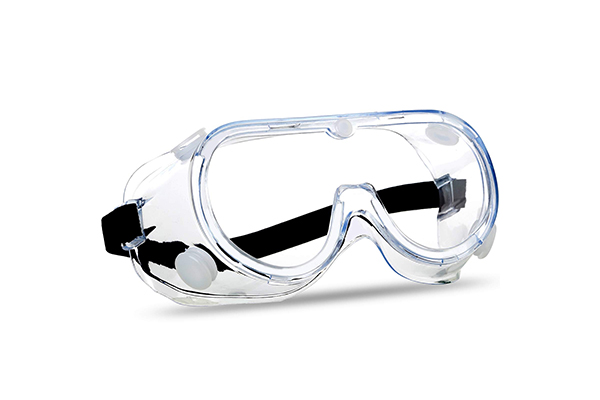
Why Are Safety Goggles Important?
Your eyes are extremely sensitive and can be permanently damaged by even a small flying particle or splash of hazardous chemicals. Unlike other injuries, vision loss is often irreversible.
Safety goggles create a protective barrier around your eyes, reducing the risk of injury from various workplace hazards.
Common Workplace Eye Hazards
- Flying debris
- Dust and dirt
- Chemical splashes
- Metal sparks
- Wood chips
- Glass fragments
- UV radiation
- Intense light from welding or cutting
- Wind-blown particles
- Biological hazards
Without proper eye protection, these hazards can cause:
- Corneal scratches
- Eye irritation
- Chemical burns
- Eye infections
- Temporary vision loss
- Permanent blindness
Top Reasons To Wear Safety Goggles
1. Prevent Flying Object Injuries
Grinding, drilling, cutting, hammering, and demolition work produce high-speed particles that can easily strike the eyes.
Safety goggles are designed with impact-resistant lenses that protect against:
- Metal fragments
- Concrete chips
- Stone particles
- Nails
- Wood splinters
For construction workers, this is one of the most important reasons to wear eye protection.
2. Protect Against Dust and Dirt
Construction sites, mines, roadwork projects, and warehouses often have airborne dust that can irritate or damage the eyes.
Dust exposure may lead to:
- Redness
- Eye pain
- Blurred vision
- Corneal abrasions
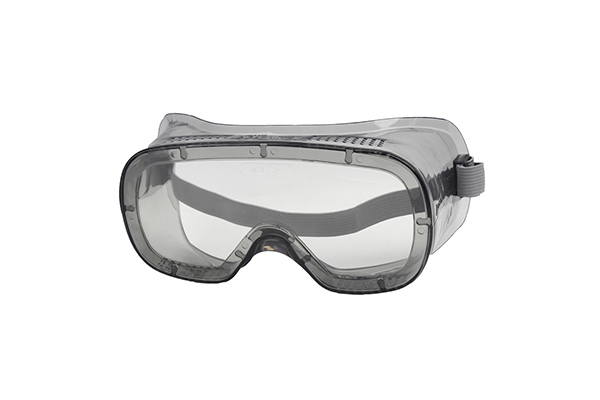
Sealed safety goggles provide better protection than ordinary safety glasses by preventing particles from entering around the edges.
3. Guard Against Chemical Splashes
Laboratories, cleaning operations, factories, and industrial plants frequently involve chemicals that can seriously damage the eyes.
Safety goggles help protect against:
- Acids
- Alkalis
- Solvents
- Cleaning agents
- Industrial chemicals
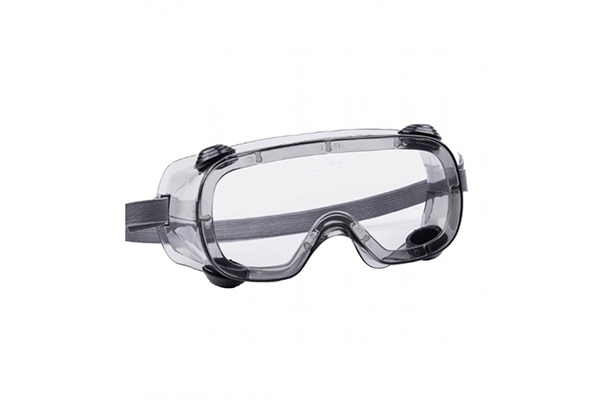
Chemical-resistant goggles with indirect ventilation offer excellent splash protection while reducing fogging.
4. Reduce UV and Radiation Exposure
Outdoor workers and welders are exposed to harmful ultraviolet (UV) rays and intense light.
Long-term exposure can contribute to:
- Cataracts
- Photokeratitis
- Retinal damage
Safety goggles with UV-resistant lenses help reduce these risks while improving visibility.
5. Improve Workplace Safety Compliance
Many countries require employers to provide suitable eye protection when hazards are present.
Wearing safety goggles helps companies:
- Meet workplace safety regulations
- Reduce accident rates
- Lower compensation claims
- Improve overall safety culture
Proper PPE also demonstrates a commitment to employee well-being.
6. Prevent Expensive Medical Costs
Eye injuries often require emergency treatment, surgery, or long recovery periods.
The cost of a quality pair of safety goggles is minimal compared to:
- Hospital bills
- Lost work time
- Reduced productivity
- Permanent disability
Investing in eye protection saves both money and lives.
7. Increase Worker Confidence
Employees feel more confident when they know they are properly protected.
Comfortable safety goggles allow workers to focus on their tasks without worrying about potential eye injuries.
Modern designs feature:
- Lightweight frames
- Adjustable straps
- Anti-fog coatings
- Scratch-resistant lenses
- Wide field of vision
8. Protect Eyes from Wind and Weather
Outdoor workers frequently encounter:
- Strong winds
- Sand
- Rain
- Flying insects
- Snow glare
Safety goggles help maintain clear vision while preventing environmental irritation.
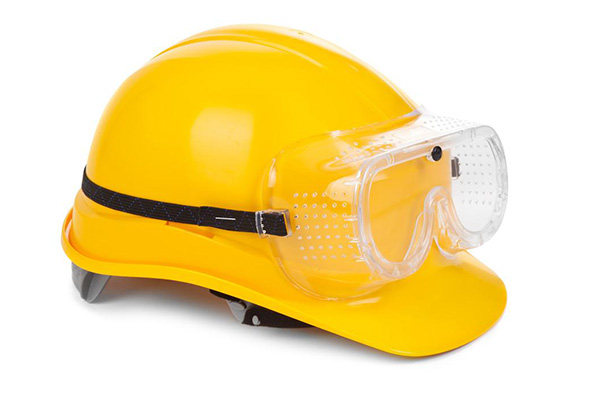
Industries That Require Safety Goggles
Safety goggles are widely used across many industries, including:
- Construction
- Road maintenance
- Manufacturing
- Mining
- Oil and gas
- Chemical processing
- Automotive repair
- Metal fabrication
- Woodworking
- Laboratories
- Agriculture
- Warehousing
- Electrical work
Workers in these environments face daily eye hazards that make proper protection essential.
Safety Goggles vs. Safety Glasses
| Feature | Safety Goggles | Safety Glasses |
|---|---|---|
| Full eye seal | ✔ | ✘ |
| Dust protection | Excellent | Moderate |
| Chemical splash protection | Excellent | Limited |
| Impact protection | Excellent | Good |
| Ventilation | Available | Better airflow |
| Suitable for hazardous environments | Yes | Light-duty applications |
Safety goggles provide more comprehensive protection, especially in environments with dust, chemicals, or flying debris.
How to Choose the Right Safety Goggles
When selecting safety goggles, consider the following features:
1. Impact Resistance
Choose lenses made from durable polycarbonate for high-impact protection.
2. Anti-Fog Coating
Anti-fog lenses maintain clear vision in humid or changing temperatures.
3. Scratch Resistance
Scratch-resistant coatings extend lens life and improve visibility.
4. Comfortable Fit
Look for:
- Adjustable head straps
- Soft sealing edges
- Lightweight construction
- Ergonomic design
A comfortable fit encourages consistent use throughout the workday.
5. UV Protection
Outdoor workers should select goggles that block harmful UV rays.
6. Ventilation Type
- Direct ventilation for dust-free environments
- Indirect ventilation for chemical splash protection
- Non-vented designs for maximum splash resistance
Frequently Asked Questions
Yes. Regular prescription or fashion glasses are not designed to withstand impacts or protect against chemicals and dust. Safety goggles offer significantly higher levels of protection.
Yes. Chemical-resistant safety goggles are specifically designed to shield the eyes from hazardous liquid splashes and airborne chemicals.
Replace safety goggles whenever they become cracked, heavily scratched, damaged, or no longer provide a secure fit. Regular inspections help ensure continued protection.
Absolutely. Anti-fog coatings improve visibility, reduce interruptions, and enhance safety, particularly in humid environments or when wearing face masks.
Conclusion
There are many important reasons to wear safety goggles, from preventing flying debris injuries and chemical splashes to protecting against dust, UV radiation, and harsh weather conditions. Quality eye protection not only reduces the risk of serious injury but also improves workplace safety, productivity, and regulatory compliance.
Looking for High-Quality Safety Goggles? Roadsky supplies durable safety goggles designed for industrial, construction, road maintenance, manufacturing, and laboratory applications. Contact us today to learn more about our safety goggles and find the right personal protective equipment (PPE) for your business.