

Slippery Road Sign: Meaning and Safety Guide
Road safety signs play a vital role in preventing accidents and protecting road users. Among the most important warning signs is the slippery road sign, which alerts drivers that the road surface ahead may become slippery due to rain, ice, oil, mud, or loose gravel.
Whether installed on highways, mountain roads, construction zones, or rural roads, slippery road signs provide drivers with critical information that helps them reduce speed and maintain vehicle control.
What is a Slippery Road Sign?
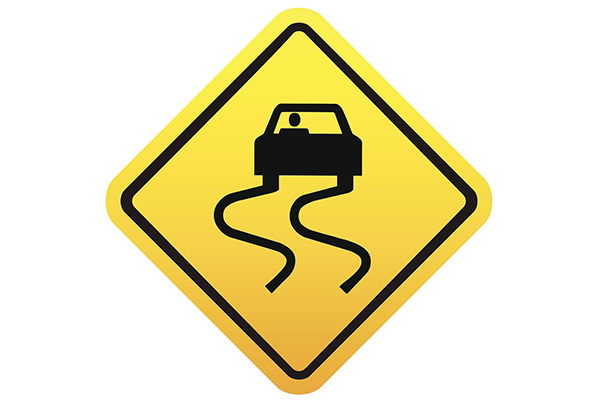
A slippery road sign is a warning traffic sign that alerts drivers that the road surface ahead may become slippery, increasing the risk of skidding and loss of vehicle control.
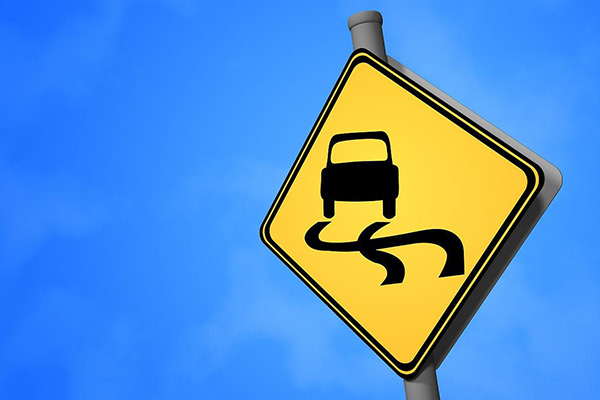
The sign typically features a black car with curved skid marks on a yellow or orange diamond-shaped background (or a triangular sign in many European countries).
Drivers should immediately:
- Reduce speed
- Increase following distance
- Avoid sudden braking
- Avoid sharp steering movements
Why is the Slippery Road Sign Important?
Road surfaces can become dangerous under various conditions. A slippery road warning sign helps drivers prepare before entering hazardous areas.
Key Benefits
- Reduces traffic accidents
- Improves driver awareness
- Protects pedestrians and cyclists
- Meets national road safety standards
- Enhances highway and construction zone safety
Studies have shown that advance warning signs significantly reduce accident rates in hazardous road sections.
Common Causes of Slippery Roads
A slippery road sign may be installed in locations affected by:
- Rain: Rainwater mixes with oil and dust, creating a slippery surface, especially during the first few minutes of rainfall.
- Snow and Ice: Cold climates often experience black ice, which is difficult for drivers to detect.
- Loose Gravel: Road construction areas frequently contain loose stones that reduce tire grip.
- Mud: Construction vehicles can leave mud on public roads.
- Oil Spills: Fuel or oil leaks create extremely slippery conditions.
- Wet Leaves: During autumn, accumulated leaves become slick after rain.
Where Are Slippery Road Signs Used?
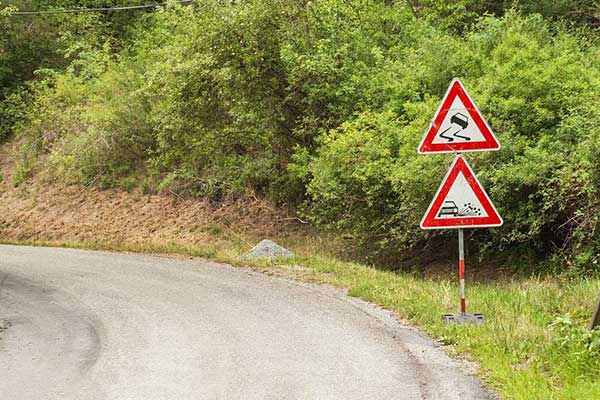
These warning signs are commonly installed on:
- Highways
- Mountain roads
- Sharp curves
- Bridge approaches
- Tunnel entrances
- Construction zones
- Industrial parks
- Parking ramps
- Airport roads
- Port facilities
Any location with a higher probability of reduced traction should be equipped with appropriate warning signs.
Standard Design of a Slippery Road Sign
Although designs vary by country, most signs include:
1. Shape
- Diamond (North America)
- Triangle (Europe and many Asian countries)
2. Color
- Yellow background with black symbol
- Orange background for temporary construction zones
3. Symbol
A car with skid marks indicating loss of traction.
Materials Used for Slippery Road Signs
Modern slippery road signs are manufactured from durable materials designed for long-term outdoor use.
1. Aluminum
- Rust resistant
- Lightweight
- Long service life
2. Galvanized Steel
- Excellent structural strength
- Suitable for harsh environments
3. Reflective Sheeting
Reflective films improve visibility during nighttime and poor weather conditions.
Common reflective grades include:
Recommended Installation Height
Proper placement is essential for effectiveness.
Typical installation guidelines include:
- Urban roads: 1.5–2.1 meters above ground
- Highways: 2.1 meters or higher
- Place the sign 100–300 meters before the hazard, depending on the road speed limit.
Local traffic regulations should always be followed.
Benefits of Slippery Road Signs
Installing slippery road signs provides several advantages:
- Reduces accident risks
- Alerts drivers to hazardous conditions
- Improves road safety
- Supports regulatory compliance
- Protects pedestrians and workers
- Reduces liability for road authorities
Maintenance Tips
To maintain visibility and effectiveness:
- Clean reflective surfaces regularly.
- Inspect for damage after severe weather.
- Replace faded signs promptly.
- Tighten mounting hardware during routine inspections.
Proper maintenance extends service life and ensures continued road safety.
What to Do If Your Car Starts Skidding
If your vehicle begins to skid, stay calm. Do not slam on the brakes. Instead, ease off the accelerator and steer gently in the direction you want the vehicle to go. For vehicles with anti-lock braking systems, apply steady pressure to the brake pedal if braking is necessary.
Overcorrecting the steering wheel can make the skid worse, so small and controlled movements are best.
Conclusion
The slippery road sign warns drivers that the road ahead may be slick and hazardous. Whether caused by rain, ice, snow, oil, or loose debris, slippery roads require slower speeds, smoother steering, and greater following distance.
When you see this sign, treat it as a reminder to stay alert and drive with caution. A few seconds of preparation can make the difference between a safe journey and a dangerous accident.