

Street Light Height: How Tall is a Street Light?
Street light height plays a major role in road safety, visibility, energy efficiency, and the overall appearance of streets, parking lots, and public spaces. A street light that is too low may create glare and uneven lighting, while one that is too high may reduce brightness at ground level or require more powerful fixtures. Choosing the right height helps ensure safe, comfortable, and cost-effective illumination.
What is the Standard Street Light Height?
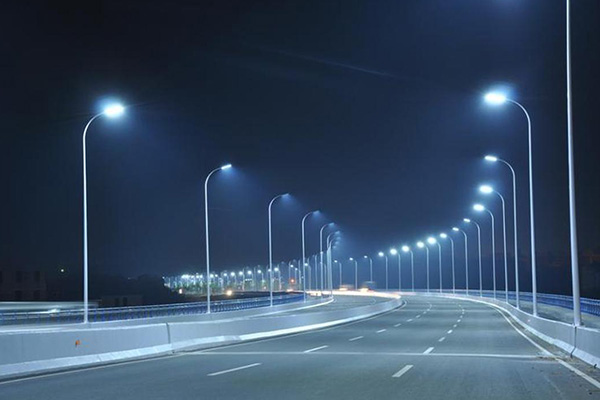
The typical street light height ranges from 3 meters to 12 meters, depending on the location and lighting purpose. In many urban and residential areas, street lights are commonly installed between 6 meters and 9 meters high. For highways, major roads, and large open areas, poles may reach 10 meters to 12 meters or more.
There is no single universal height for every project. The ideal street light height depends on road width, traffic volume, fixture type, spacing, lighting standards, and the surrounding environment.
Common Street Light Heights by Application
1. Residential Streets
For residential roads, street lights are usually installed at a height of 4 to 6 meters. Lower pole heights help create comfortable lighting for pedestrians, cyclists, and local traffic. They also reduce excessive light spill into homes.
2. Urban Roads
City streets and commercial roads often use poles between 6 and 9 meters high. These lights need to cover wider roads, sidewalks, intersections, and pedestrian crossings while maintaining a balanced brightness level.
3. Highways and Main Roads
Highways, arterial roads, and major traffic routes typically require taller street light poles, often between 9 and 12 meters. Taller poles allow wider light distribution and reduce the number of poles needed along long roadways.
4. Parking Lots
Parking lot light poles are commonly between 6 and 12 meters high, depending on the size of the lot and the required lighting level. Smaller lots may use shorter poles, while large commercial parking areas often need taller poles for broader coverage.
5. Parks and Pedestrian Areas
Walkways, parks, plazas, and landscape areas usually use shorter poles, often around 3 to 5 meters. These lights focus more on comfort, visibility, and atmosphere than high-speed traffic safety.
Factors That Affect Street Light Height
1. Road Width
Wider roads generally require taller poles or more powerful fixtures to provide even lighting across all lanes. A narrow residential street can be lit effectively with shorter poles, while a multi-lane road needs greater height and wider beam distribution.
2. Pole Spacing
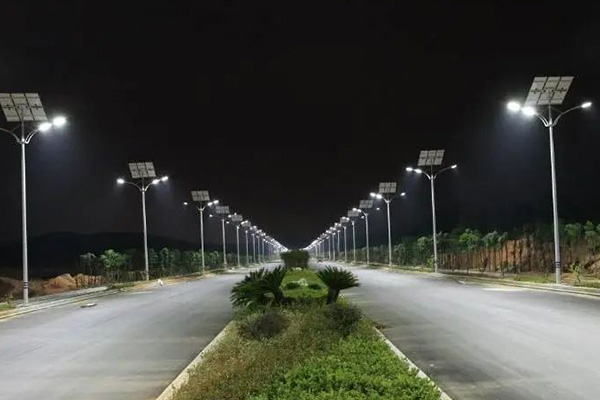
Street light height and spacing work together. Taller poles can usually be spaced farther apart because they cast light over a larger area. Shorter poles often need closer spacing to avoid dark spots.
3. Type of Light Fixture
LED street lights are now widely used because they offer better light control, higher efficiency, and longer service life. The optical design of the LED fixture affects how high the pole should be and how far apart lights can be installed.
4. Required Illumination Level
Different areas require different brightness levels. A quiet neighborhood street does not need the same illumination as a busy intersection, highway ramp, or commercial district. Lighting engineers often calculate lux levels, uniformity, and glare before choosing pole height.
5. Surrounding Environment
Trees, buildings, overhead wires, signs, and nearby homes can all influence street light height. In areas with many trees, the pole may need to be positioned or designed carefully to prevent blocked light.
6. Glare Control
Higher poles can sometimes reduce direct glare, but only if the fixture is properly designed and aimed. Poorly selected lights can create discomfort for drivers and pedestrians, regardless of pole height.
Why Street Light Height Matters
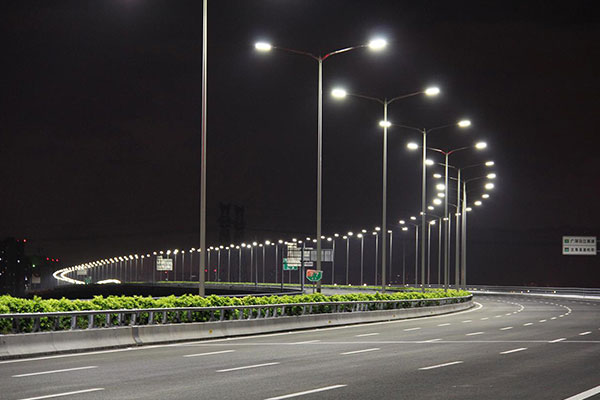
Correct street light height improves visibility for drivers, pedestrians, and cyclists. It helps reduce accidents, supports public safety, and makes streets feel more secure at night. Proper height also improves lighting uniformity, meaning fewer bright patches and dark zones.
From a cost perspective, the right pole height can reduce the number of fixtures needed, lower energy consumption, and simplify maintenance. For modern LED street lighting projects, height selection is one of the most important design decisions.
Street Light Height and Spacing
As a general rule, the spacing between street lights is often about 2.5 to 4 times the pole height. For example, a 6-meter pole may be spaced around 15 to 24 meters apart, depending on the fixture output and road requirements.
However, this is only a rough guideline. Final spacing should be based on lighting calculations, fixture photometric data, road classification, and local regulations.
Street Light Height and Illumination Quality
Incorrect height selection can cause several problems:
- Too low: Uneven lighting, glare, limited coverage
- Too high: Reduced brightness at ground level, wasted energy
- Incorrect spacing + height mismatch: Dark spots or over-illumination
Proper engineering ensures:
- Uniform lighting
- Reduced energy consumption
- Improved road safety
- Better visual comfort
Relationship Between Height and Light Distribution
Street light height directly affects how light spreads on the ground:
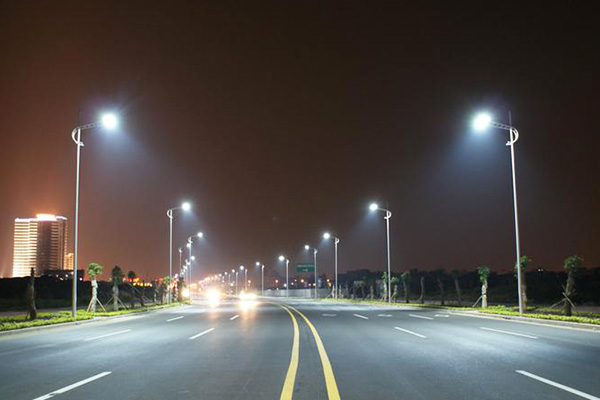
- Lower poles → concentrated light, more frequent installation
- Medium poles → balanced coverage and efficiency
- High poles → wide coverage, fewer shadows, but require stronger luminaires
Incorrect height selection can lead to:
- Dark spots
- Excessive glare
- Uneven lighting
- Energy waste
How to Choose the Right Street Light Height
When designing a lighting system, consider the following steps:
- Define road type (residential, urban, highway)
- Measure road width and spacing requirements
- Choose appropriate LED wattage and beam angle
- Ensure compliance with local lighting standards
- Simulate lighting performance before installation
Working with experienced lighting or infrastructure suppliers can significantly improve design accuracy.
Conclusion
Street light height is a critical parameter in road lighting design that directly impacts safety, energy efficiency, and visual comfort. From residential streets, urban roads, parking lots, parks, and highways, each application requires a carefully balanced design approach.