

Traffic Cone Sizes Explained
Traffic cones are one of the most recognizable safety products in the world. Whether used on highways, construction sites, parking lots, or event venues, they play a critical role in guiding vehicles and pedestrians, marking hazards, and creating temporary traffic control zones.
However, not all traffic cones are the same. Their size, color, and features determine where they should be used and how effective they are in specific environments.

Why Traffic Cone Size Matters
The height of a traffic cone directly affects:
- Visibility (especially from a distance or in high-speed areas)
- Compliance with regional or industry standards
- Wind resistance and stability
- Safety effectiveness for drivers and pedestrians
Selecting the correct cone size ensures that your traffic management setup meets safety regulations and prevents accidents.
Common Traffic Cone Sizes and Their Applications
Traffic cones generally range from 12 inches (30 cm) to 36 inches (90 cm). Below is a breakdown of the most widely used sizes and where they are typically deployed.
12-Inch (30 cm) Traffic Cones
Best for:
- Indoor use
- Low-speed, low-traffic areas
- Sports, events, and basic marking
Applications:
- Warehouse lane markers
- School sports training
- Small-scale hazard indication
These cones are compact and lightweight, making them ideal for environments where vehicles are not moving at high speeds.
18-Inch (45 cm) Traffic Cones
Best for:
- Controlled areas with pedestrian traffic
- Retail parking lots
- Basic temporary markings
Applications:
- Parking guidance
- Event crowd management
- Light construction tasks
They provide slightly better visibility while remaining easy to transport.
28-Inch (70 cm) Traffic Cones
Best for:
- Roadway use
- Urban streets and municipal maintenance
- Areas requiring high visibility
Applications:
- Roadside repairs
- Utility work
- Construction sites
- Traffic redirection in moderate-speed environments
This is one of the most commonly used sizes for official traffic control work.
36-Inch (90 cm) Traffic Cones
Best for:
- High-speed roads and highways
- Long-distance visibility
- Harsh environments and heavy traffic
Applications:
- Highway construction
- Major road closures
- Accident zones
- Night-time or low-visibility conditions
Their larger size and weight provide excellent stability and compliance with stricter road safety standards.
Traffic Cone Colors and Reflective Options
While cone size is critical, color and reflectivity are equally important:
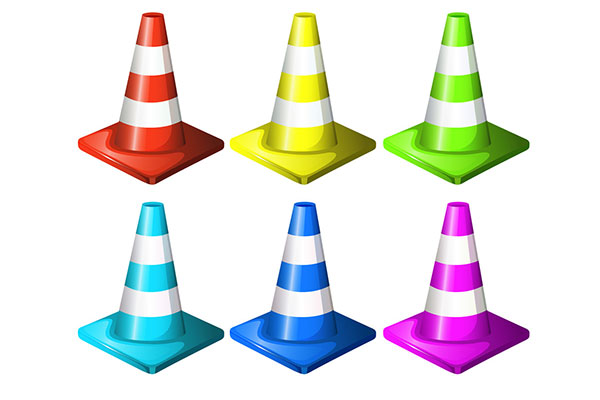
Common Colors and Their Meanings
- Orange – roadways, construction, general traffic control
- Green – event management, guiding pedestrians
- Yellow – caution areas, maintenance
- Red – fire or emergency zones
- Blue – restricted areas or special purposes
Reflective Collars
For night-time or low-light applications, cones can be fitted with high-intensity reflective collars, ensuring visibility under headlights.
Industry Standards
Traffic cone requirements may differ by country, but most regions reference standards such as:
- EN13422 (Europe)
- ANSI/ISEA 107 (USA reflective material guidelines)
- Local Department of Transportation (DOT) standards
Checking these ensures legal compliance and maximum safety.
Conclusion
Traffic cones may look simple, but choosing the right size is essential for effective traffic control and workplace safety.
From small 12-inch cones for indoor use to tall 36-inch cones for highways, each size serves a specific purpose. By understanding these differences, you can ensure your project meets safety standards and provides maximum visibility and protection.