

What is a Strobe Light? Working, Types, Use, Color, Price
A strobe light is a high-intensity flashing light that produces short, repeated bursts of illumination. Instead of staying on continuously, a strobe light flashes at regular intervals, making it highly visible even in bright or noisy environments. Because of this, strobe lights are widely used for warning signals, emergency alerts, photography, entertainment, aviation, marine safety, and industrial applications.
In simple terms, a strobe light is designed to grab attention quickly.
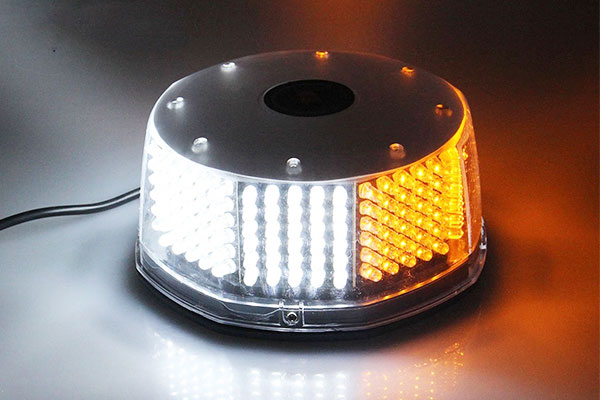
What is a Strobe Light?
A strobe light is a lighting device that emits bright flashes of light in rapid pulses. These flashes may occur slowly, such as once every few seconds, or very quickly, depending on the purpose of the light.
The primary purpose of a strobe light is to attract attention, provide warnings, indicate hazards, or create visual effects. Because flashing lights are more noticeable than steady lights, strobe lights are highly effective in situations where visibility and quick recognition are important.
How Does a Strobe Light Work?
Traditional strobe lights use a xenon flash tube filled with xenon gas. When electrical energy is discharged through the gas, it produces a bright flash of light.
Modern strobe lights commonly use LED technology, which offers several advantages:
- Lower power consumption
- Longer lifespan
- Faster response time
- Greater durability
- Reduced maintenance requirements
The strobe controller regulates the flashing frequency and pattern. Depending on the design, users can select different flash rates such as:
- Single flash
- Double flash
- Triple flash
- Rotating flash pattern
- Random flash sequence
These patterns help improve visibility and allow specific signaling functions.
Types of Strobe Lights
1. LED Strobe Lights
LED strobe lights are the most popular option today. They offer:
- Low energy consumption
- Long service life
- High brightness
- Excellent durability
- Multiple flash patterns
These lights are commonly found on emergency vehicles, construction equipment, and traffic safety products.
2. Xenon Strobe Lights
Xenon strobe lights use a gas-filled tube to generate intense flashes of light. While they provide powerful illumination, they consume more energy and require more maintenance than LED alternatives.
3. Portable Strobe Lights
Portable strobe lights are battery-powered units designed for temporary warning and signaling applications. They are often used during road construction, emergency response, and outdoor events.
4. Industrial Warning Strobe Lights
Industrial strobe lights are installed in factories, warehouses, and manufacturing facilities to indicate machine status, emergencies, or hazardous conditions.
Common Uses of Strobe Lights
1. Emergency Vehicles
Police cars, ambulances, and fire trucks use strobe lights to alert drivers and pedestrians during emergency situations. The flashing lights improve visibility and help emergency responders move safely through traffic.
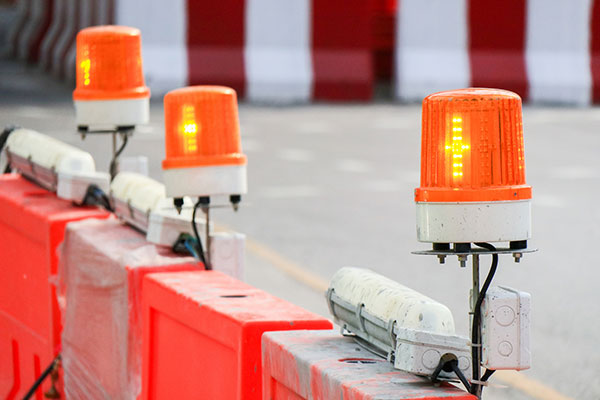
2. Traffic Safety and Road Construction
Roadwork zones frequently utilize strobe lights to warn motorists of construction activities, lane closures, and temporary traffic changes. They are often integrated into:
- Road studs
- Traffic cones
- Traffic barricades
- Arrow boards
- Road warning signs
- Barricade warning lights
- Temporary traffic control systems
3. Industrial Safety
Manufacturing plants and warehouses use strobe lights as visual alarms to signal:
- Equipment malfunctions
- Emergency shutdowns
- Hazardous areas
- Evacuation procedures
4. Aviation
Aircraft use anti-collision strobe lights to improve visibility during flight. Airports also employ strobe lighting systems to guide pilots during takeoff and landing.
5. Marine Navigation
Boats and ships rely on strobe lights for navigation, emergency signaling, and collision avoidance, especially during low-visibility conditions.
6. Entertainment and Events
Strobe lights are widely used in concerts, theaters, nightclubs, and special events to create dramatic visual effects and enhance audience experiences.
Strobe Lights Color
Common strobe light colors include:
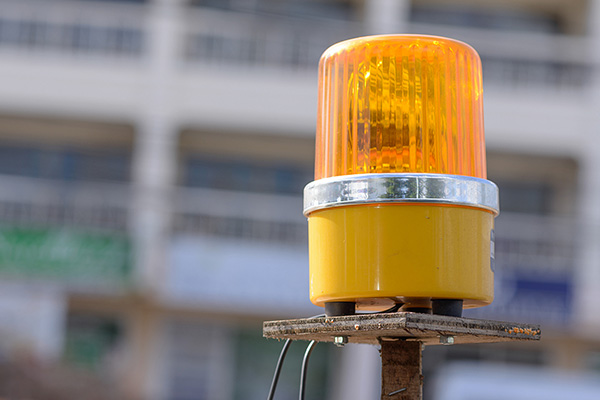
- Amber – traffic and construction warnings
- Red – emergency and danger alerts
- Blue – law enforcement applications
- White – general visibility and signaling
- Green – status indication and safety guidance
Strobe Light Price
Strobe light prices vary depending on the type, brightness, and application. Small LED strobe lights typically cost between $5 and $20, while vehicle-mounted warning lights range from $20 to $100. Industrial and traffic safety strobe lights generally cost between $30 and $300, depending on visibility requirements and durability. Solar-powered strobe lights are usually priced from $25 to $200 due to their integrated solar panels and batteries.
Benefits of Using Strobe Lights
- Enhanced Visibility: The flashing effect makes strobe lights highly noticeable, even in bright daylight or adverse weather conditions.
- Improved Safety: Strobe lights provide immediate visual warnings that help reduce accidents and improve situational awareness.
- Energy Efficiency: Modern LED strobe lights consume significantly less power while delivering exceptional brightness.
- Long Lifespan: LED strobe lights can operate for tens of thousands of hours, reducing replacement and maintenance costs.
- Weather Resistance: Many outdoor strobe lights are designed with waterproof and dustproof housings, ensuring reliable performance in harsh environments.
Factors to Consider When Choosing a Strobe Light
When selecting a strobe light, consider the following factors:
1. Brightness
Choose a light with sufficient luminous intensity for the intended environment.
2. Flash Pattern
Different applications may require:
- Single flash
- Double flash
- Rotating flash
- Random flash patterns
3. Power Source
Options include:
- Battery-powered
- Solar-powered
- DC-powered
- AC-powered
4. Mounting Method
Common mounting options include:
- Magnetic mounts
- Surface mounts
- Pole mounts
- Vehicle mounts
5. Environmental Protection
For outdoor use, select lights with appropriate IP ratings such as IP65, IP66, or IP67.
Frequently Asked Questions
Regulations vary by country and region. Emergency vehicle strobe lights are usually restricted to authorized personnel, while amber warning strobes are often permitted on service and construction vehicles.
Most LED strobe lights have a lifespan ranging from 30,000 to 100,000 hours, depending on quality and operating conditions.
Yes. Many road safety products, such as solar warning lights and solar road studs, use integrated solar panels to power LED strobe lights.
Many outdoor strobe lights feature weatherproof designs with IP65, IP66, or IP67 protection ratings.
The required brightness depends on the application. For indoor warning systems, moderate brightness may be sufficient. For outdoor road safety, construction zones, or emergency vehicles, high-intensity strobe lights are recommended to ensure visibility during daylight, nighttime, and adverse weather conditions.
Yes. Most commercial strobe lights are designed for continuous operation and can run for extended periods. LED strobe lights, in particular, generate less heat and have longer operational lifespans compared to traditional lighting technologies.
Safety Considerations
Strobe lights should be used carefully. Very rapid flashing can cause discomfort for some people and may trigger photosensitive epilepsy in sensitive individuals. In workplaces, public spaces, and entertainment venues, strobe lights should follow relevant safety guidelines and flash-rate limits.
For warning applications, brightness, color, mounting position, and flash pattern should be selected according to the environment.
Conclusion
A strobe light is a powerful visual signaling device that emits rapid flashes of light to improve visibility, communicate warnings, and enhance safety. Whether used on emergency vehicles, construction sites, industrial facilities, or road safety systems, strobe lights play a vital role in reducing accidents and ensuring effective communication.